
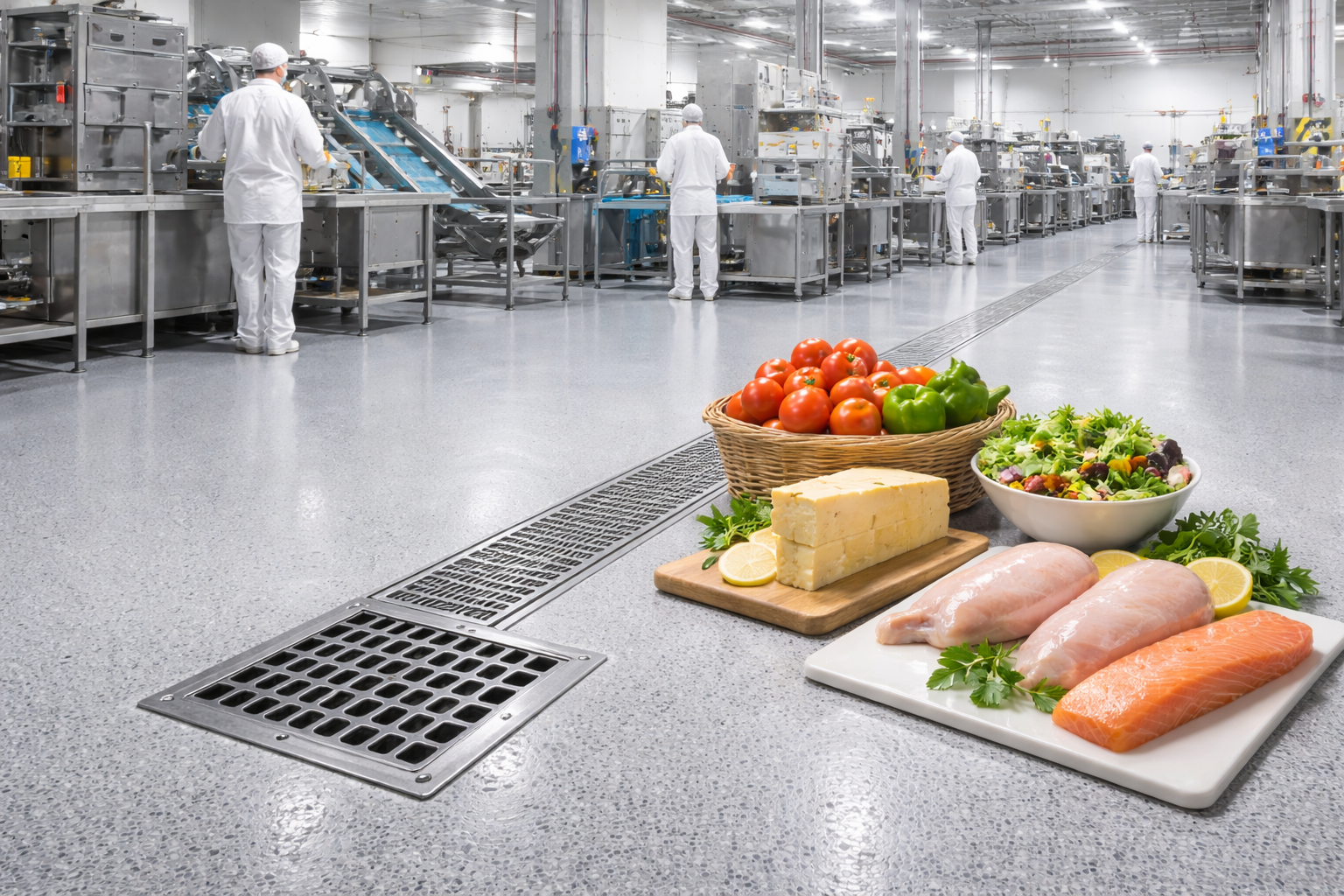
Food grade flooring plays a vital role in maintaining safety, hygiene, and compliance in food related environments. From commercial kitchens and bakeries to large scale food processing plants, floors are constantly exposed to moisture, spills, chemicals, and heavy foot traffic. When flooring is not designed for these conditions, it can become a major source of contamination, safety hazards, and regulatory issues.
Many food facilities focus heavily on equipment, storage, and cleaning processes, but flooring is often overlooked. This creates a problem because floors directly impact sanitation, slip resistance, and long-term durability. Professional Urethane Floor Installation delivers seamless, hygienic, and moisture-resistant surfaces that solve these issues, keeping daily operations running smoothly while safeguarding food safety.
Understanding how food grade flooring works and why it matters helps facility owners make informed decisions that reduce risk and support compliance across food environments.
What Is Food-Grade Flooring and How Does It Work?
Food grade flooring is a specialized flooring system designed specifically for environments where food is prepared, processed, or stored. Unlike standard commercial flooring, it is engineered to resist moisture, chemicals, bacteria, and physical wear.
These flooring systems work by creating a seamless, non porous surface that prevents liquids, food particles, and bacteria from penetrating the floor. This makes cleaning more effective and reduces areas where contamination can develop.
Food grade flooring is commonly made from epoxy food grade floors or polyurethane food grade flooring systems. These materials bond tightly to the substrate and create a durable surface that stands up to demanding food facility conditions.
Why Food-Grade Flooring Is Critical for Food Safety
Food safety depends on controlling contamination at every level of a facility. Floors are one of the most vulnerable surfaces because they are constantly exposed to spills, moisture, and foot traffic.
Food grade flooring supports food safety by:
- Preventing bacteria growth in cracks and seams
- Supporting effective cleaning and sanitation routines
- Reducing cross contamination risks
- Withstanding harsh cleaning chemicals
By using contamination prevention floors, food facilities reduce the risk of foodborne illness and improve overall hygiene standards. Industrial Polyurethane Floor Coating is particularly well-suited for these demanding environments, as it provides exceptional chemical resistance and seamless performance- especially important where food safety regulations and regular inspections are stringent.
Food-Grade Flooring vs Standard Commercial Flooring
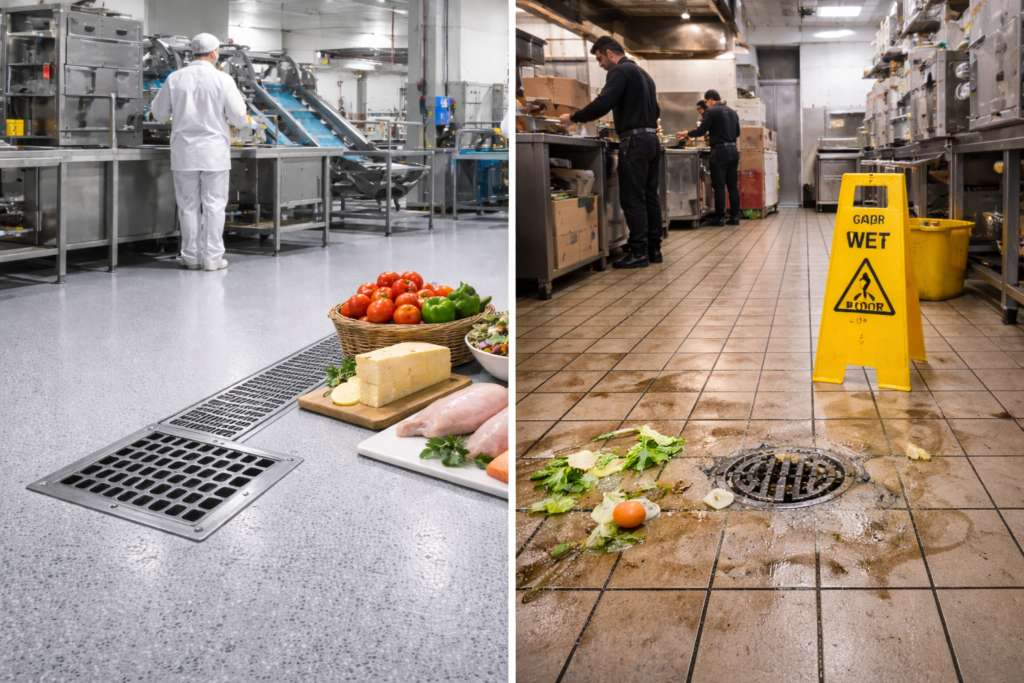
Standard commercial flooring is designed for general use, not for food specific environments. While it may look similar on the surface, it often lacks the performance needed for food safety.
Key differences include:
- Food grade flooring is seamless, while standard floors may have joints
- Food grade systems resist moisture and chemicals more effectively
- Standard floors are more prone to cracking and wear
- Food grade flooring supports contamination control
Using standard flooring in a food facility can lead to hidden hygiene issues, higher maintenance needs, and increased risk during food facility safety audits.
Why Professional Contractors Matter for Food-Grade Flooring
Installing food grade flooring is not a simple process. Proper surface preparation, material selection, and application techniques are critical to performance.
Professional flooring contractors ensure:
- Correct preparation of the substrate
- Proper installation of seamless flooring systems
- Compliance with industrial safety standards
- Long term durability and performance
Working with experienced commercial flooring contractors reduces installation errors that could compromise food safety and lead to early failure. This is why many facilities rely on specialists like PPI Flooring for Best Floor Installation Services tailored to food facility flooring projects.
Key Features of Food-Grade Flooring Systems
Food grade flooring systems are built around features that support hygiene, safety, and durability.
Core features include:
- Seamless flooring systems that eliminate cracks
- Moisture resistant floors that prevent water absorption
- Anti-microbial flooring properties that reduce bacteria growth
- Chemical resistance for cleaning and sanitation
These features work together to create hygienic flooring systems that perform reliably in demanding food environments.
Slip Resistance in Food-Grade Flooring
Slip resistance is a major safety concern in food facilities where water, oils, and food residue are common. Slippery floors increase the risk of employee injuries and operational disruptions.
Food grade flooring systems address this through:
- Textured surfaces that improve traction
- Slip resistant kitchen floors designed for wet conditions
- Custom finishes based on traffic and exposure levels
By improving traction, food grade flooring supports both employee safety and compliance with industrial safety standards.
Hygienic Flooring Systems for Food Processing Plants
Food processing plant flooring must meet higher standards than many other commercial environments. These facilities often involve heavy equipment, temperature changes, and strict sanitation routines.
Hygienic flooring systems for food processing plants offer:
- Resistance to thermal shock
- High load bearing capacity
- Protection against chemical exposure
- Easy inspection and cleaning
This makes epoxy food grade floors and polyurethane food grade flooring popular choices for food manufacturing and processing facilities.
How Food-Grade Flooring Supports Contamination Control
Contamination control is not just about cleaning surfaces. It also involves preventing contamination from forming in the first place.
Food grade flooring supports contamination control by:
- Eliminating porous surfaces where bacteria hide
- Preventing moisture penetration beneath the floor
- Supporting fast and effective sanitation
This reduces long term risks and supports consistent hygiene across food facilities.
Can Existing Floors Be Upgraded to Food-Grade Flooring?
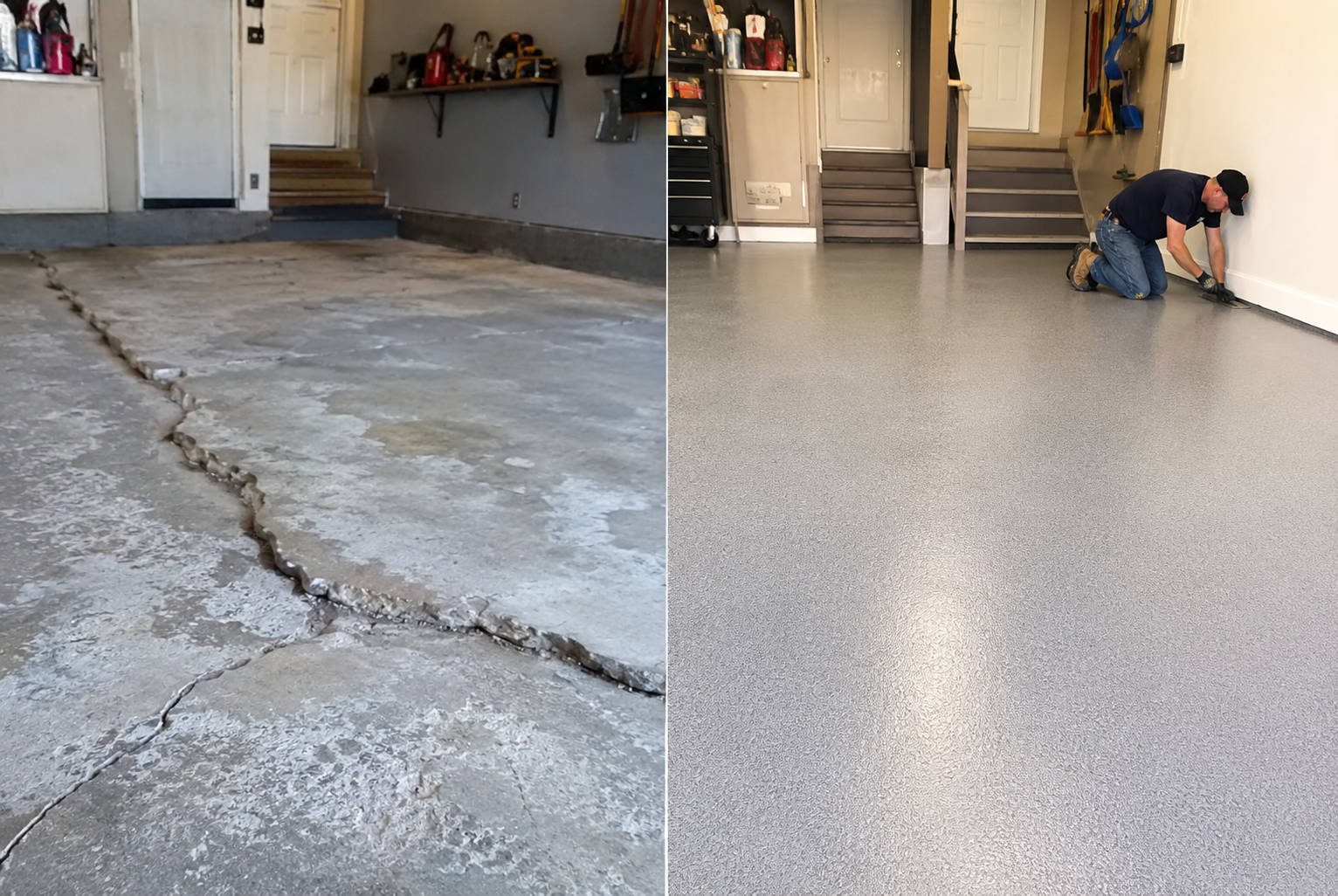
Many food facilities operate in existing buildings with outdated flooring. The good news is that existing floors can often be upgraded without full demolition.
Upgrade options include:
- Installing epoxy food grade floors over existing concrete
- Applying seamless overlays to worn surfaces
- Reinforcing floors with moisture resistant coatings
These upgrades improve safety and hygiene while minimizing downtime and disruption.
Maintenance and Inspection of Food-Grade Flooring
Even the best food grade flooring requires routine inspection and maintenance to perform long term.
Best practices include:
- Regular cleaning with approved products
- Monitoring for wear in high traffic areas
- Scheduling inspections during food facility safety audits
Proper epoxy flooring maintenance extends lifespan and ensures the flooring continues to support food safety standards.
Is Food-Grade Flooring Cost Effective Over Time?
While food grade flooring may require a higher initial investment than standard flooring, it often proves more cost effective long term.
Benefits include:
- Reduced repair and replacement costs
- Lower contamination related risks
- Improved safety and fewer workplace injuries
- Better performance during inspections
For restaurants, bakeries, and food plants, food grade flooring supports long term operational efficiency.
Choosing the Right Food-Grade Flooring System
Choosing the right system depends on how the facility operates.
Factors to consider include:
- Type of food preparation or processing
- Exposure to moisture and chemicals
- Traffic levels and equipment use
- Cleaning and sanitation routines
Professional guidance helps ensure the selected system matches both operational and regulatory needs.
Partnering With the Right Flooring Experts
Successful food grade flooring projects depend on experienced partners who understand food facility requirements. Providers like PPI Floorings focus on solutions that balance safety, hygiene, and durability.
Facilities looking to upgrade or install new systems can contact us for food and beverage flooring solutions to discuss requirements and site conditions. A thorough Commercial Flooring Assessment helps identify the right approach- learn more about specialized food facility flooring services through PPI Floors.
Conclusion
Food grade flooring is not just a surface choice. It is a critical component of food safety, employee protection, and regulatory compliance. By preventing contamination, improving slip resistance, and supporting hygienic operations, food grade flooring helps food facilities operate with confidence—especially when installed by Top Commercial Flooring Contractors Orlando who understand the demands of food-safe environments.
If your facility is planning upgrades or new installations, working with experienced professionals ensures long lasting results. Contact us for food and beverage flooring solutions to take the next step toward safer, cleaner, and more compliant food facility flooring using food grade flooring.
FAQ
1. What is food-grade flooring and how does it protect food safety?
Food grade flooring creates seamless, non porous surfaces that prevent bacteria growth and contamination.
2. Why is food-grade flooring important for food processing facilities?
It supports hygiene, slip resistance, and compliance with food safety regulations.
3. What type of food-grade flooring is best for commercial kitchens?
Epoxy and polyurethane food grade flooring systems are commonly used in kitchens.
4. Does food-grade flooring help meet FDA and USDA requirements?
Yes, it supports sanitation and contamination control expected by regulatory agencies.
5. How does food-grade flooring prevent contamination in food plants?
It eliminates cracks, resists moisture, and supports effective cleaning.
6. Is food-grade flooring slip-resistant for wet kitchen areas?
Yes, systems are designed with textured finishes for wet conditions.
7. Can existing floors be upgraded to food-grade flooring systems?
Yes, many facilities upgrade existing floors with seamless overlays.
8. How often should food-grade flooring be inspected or replaced?
Regular inspections are recommended, with replacement based on wear and usage.
9. Is food-grade flooring cost-effective for restaurants and bakeries?
Over time, it reduces repair, safety, and contamination related costs.
10. Who should install food-grade flooring for food facilities?
Experienced professional flooring contractors with food facility expertise are recommended.