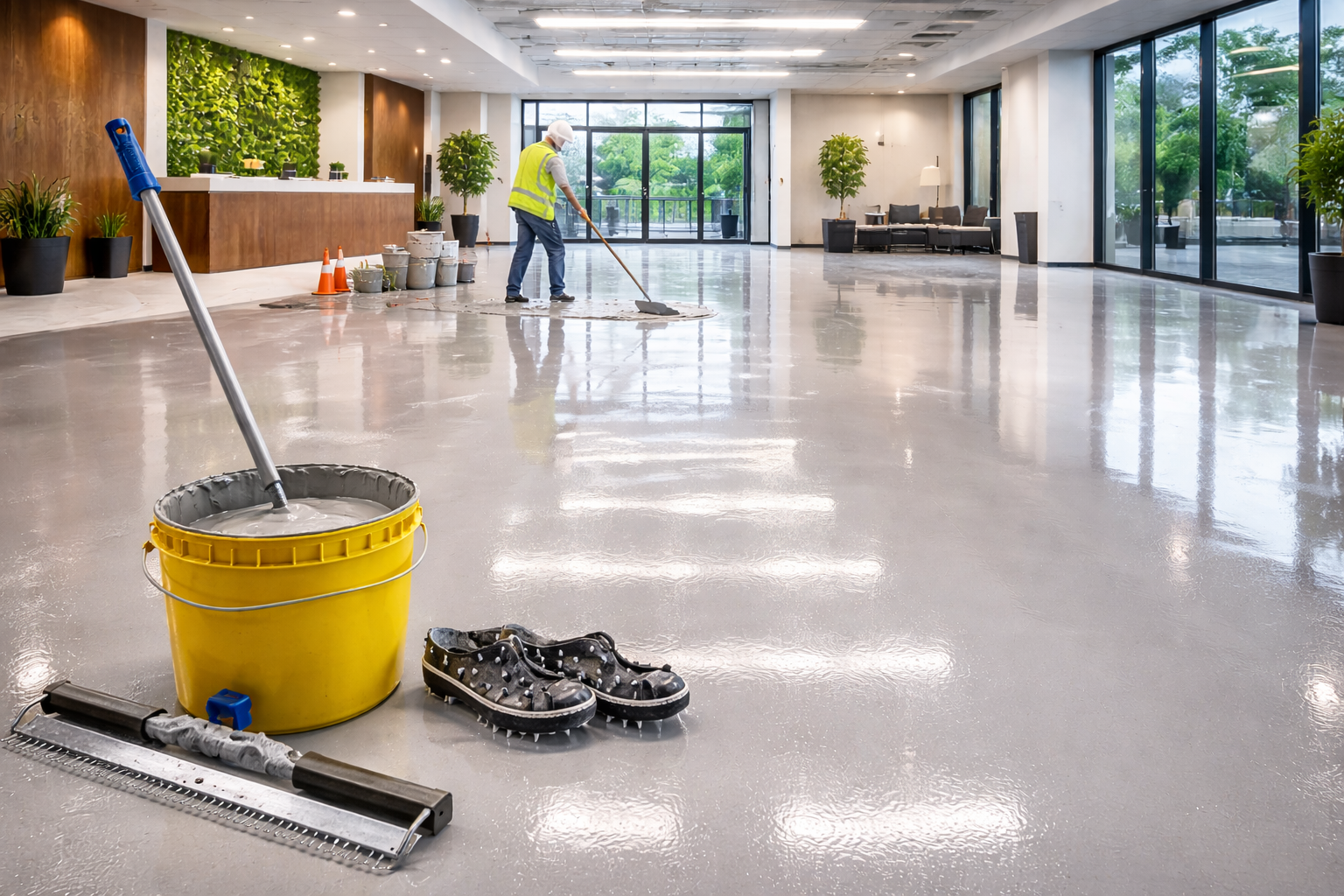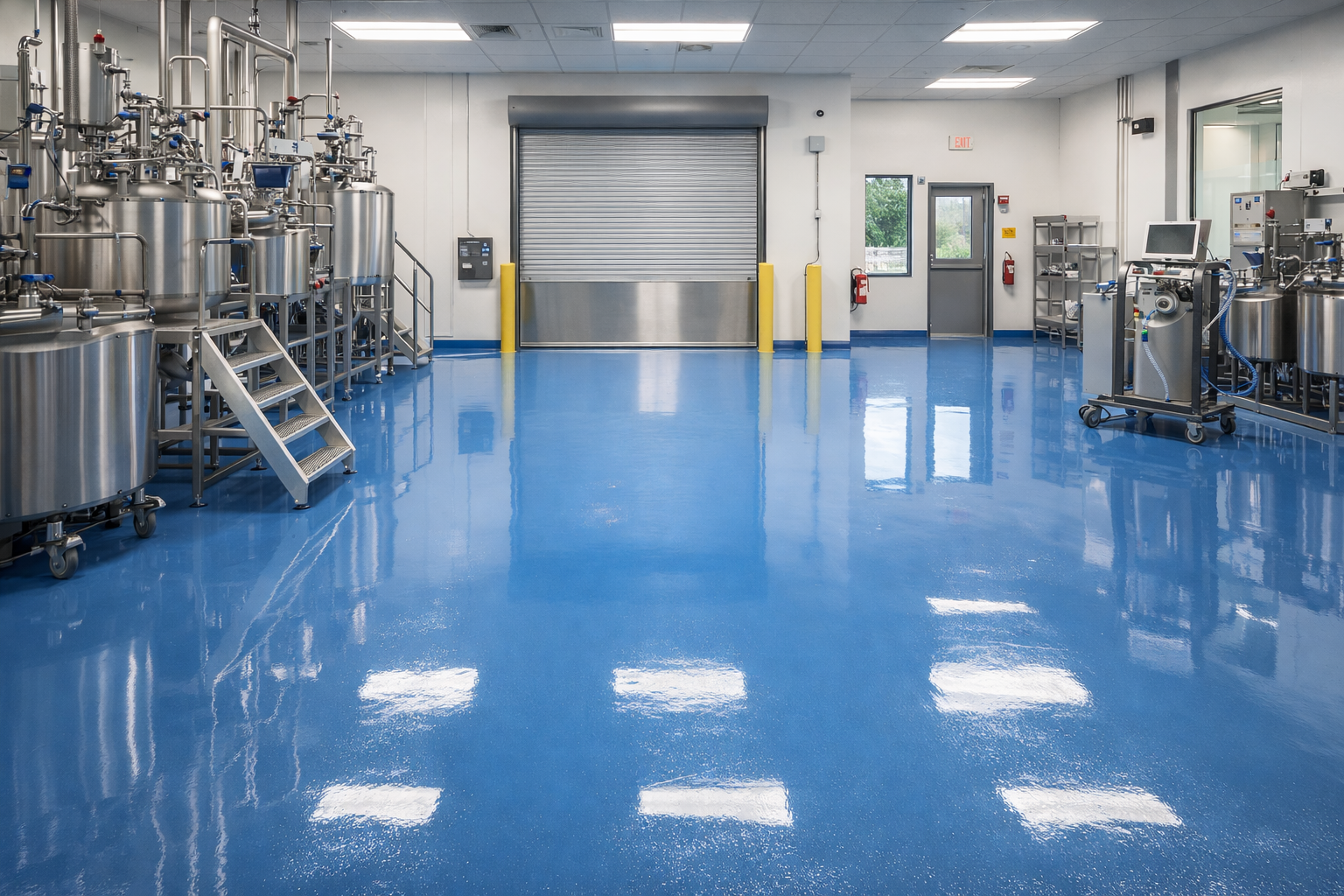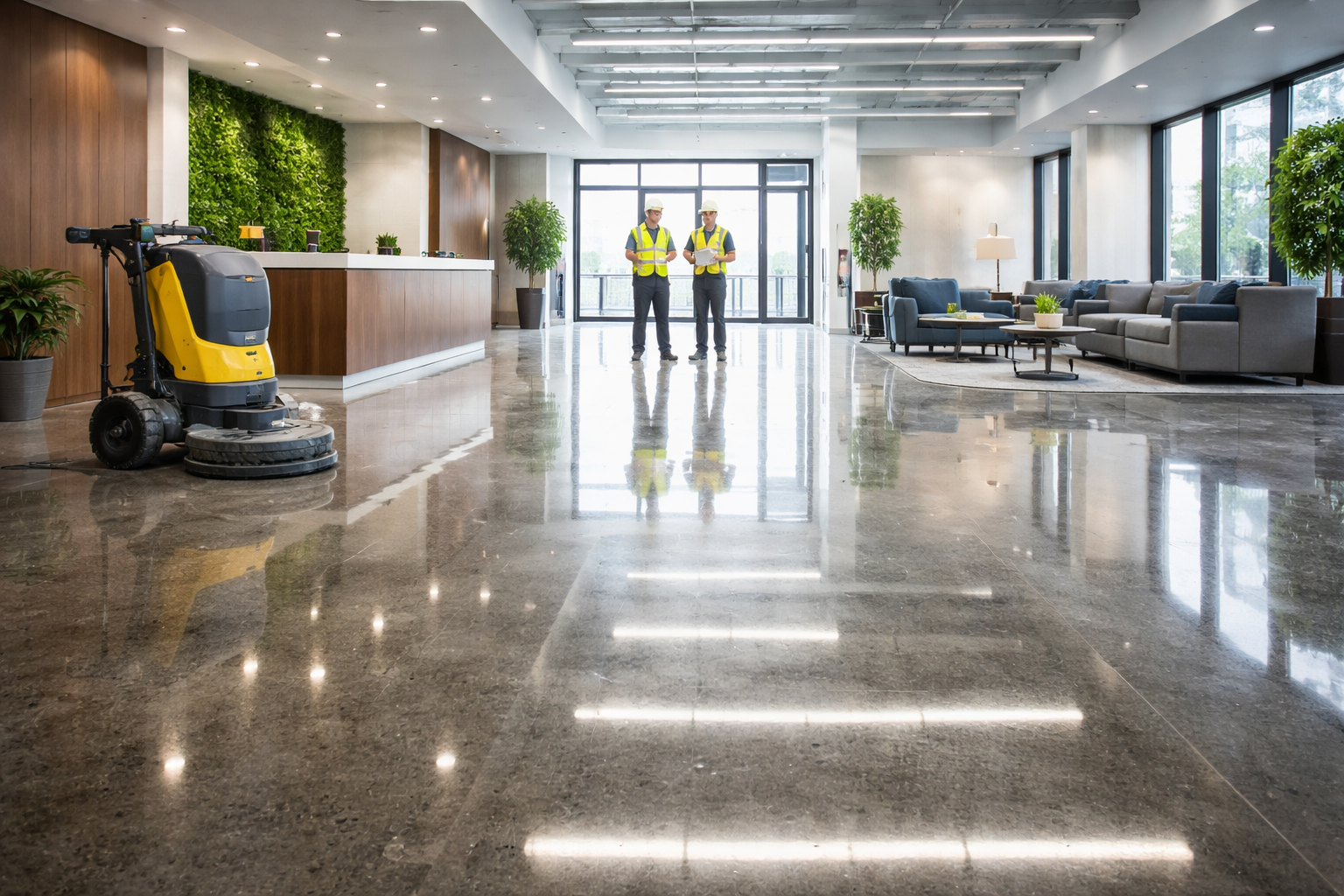

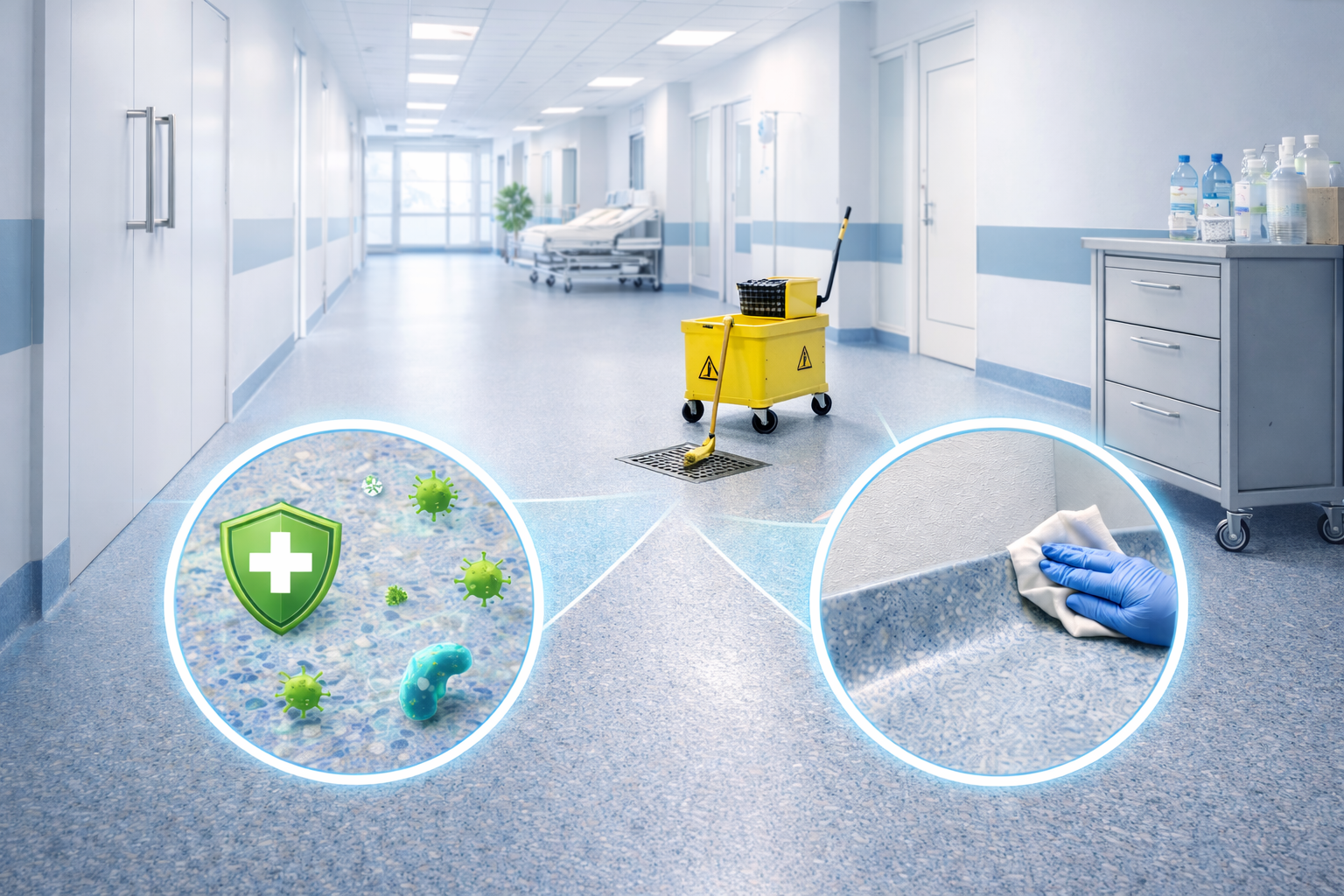
Healthcare flooring solutions are vital in the flooring for healthcare facilities. These solutions directly influence the hygiene standards, patient safety, and operational efficiency of hospitals and clinics. The right flooring system can be used for the safer environment of patients, staff, and visitors in addition to satisfying the highest standards of healthcare construction.
How Healthcare Flooring Supports Patient Safety
A basic component of contemporary medical settings is patient safety flooring. Slips, falls, and accidents related to the surface are still a significant issue in hospitals, particularly in the emergency rooms and Intensive Care units.
Hospital safety flooring of high performance is designed to have slip-resistant textures that retain grip even when under liquid exposure. These surfaces are meant to lower the number of falls that happen to patients and busy clinical staff who can’t move around easily.
Other safety benefits of Long-lasting healthcare flooring:
- Layers that absorb shock to lessen the severity of injuries.
- Floors in hospitals that are smooth and don’t have any trip hazards.
- Floors in hospitals that are chemical-resistant and stay strong even when they are cleaned frequently and thoroughly.
The Importance of Easy-to-Clean Flooring in Healthcare
Infection prevention begins on the surface. Some important factors like bacteria, moisture, and other contaminants in hard-to-clean flooring can complicate the process of sustaining hygienic standards. Cleaning hygienic flooring systems is simple, and they are made to stand up to regular cleaning without breaking down. Commercial Epoxy Flooring Solutions, in the form of seamless resin floors, are an excellent choice for operation theaters and ICUs since they don’t let dirt collect in the joints and grout lines.
Some of the main benefits are:
- Surfaces that don’t absorb fluids
- Compatibility with hospital-grade disinfectants
- Quick cleaning cycles facilitate the efficient operation of the facilities.
Vinyl flooring is a good choice since it lasts a long time, is strong, and works well in hospitals when utilized as seamless hospital floors.
Future Trends in Healthcare Flooring Solutions
Construction in healthcare is changing, and the flooring systems are progressing with it. The current healthcare flooring solutions are focused on sustainability, the incorporation of technology, and long-term value.
Low-VOC materials are now used in sustainable medical flooring to better the indoor air quality and also meet the regulatory standards of hygiene. Facilities increasingly rely on Urethane Flooring Services because medical floors are also getting more sophisticated by providing built-in antimicrobial protection instead of relying on coatings that fade over time.
Emerging trends include:
- Smart surfaces to assist in infection monitoring
- Quickly repaired modular flooring systems
- Lifecycle cost-saving healthcare flooring
With the growth and modernization of facilities, the flooring option is more about clinical performance as well as environmental responsibility.
Key Hygiene Challenges in Medical Environments
Hygiene issues in medical facilities have distinctive issues as they are in constant contact with pathogens, chemicals as well as moisture. Flooring solutions should overcome these risks without failure in terms of durability.
Common challenges include:
- Bacterial growth occurs in crevices and fractures
- Chemical damage due to aggressive disinfectants
- Moisture intrusion occurs in intensive care and wash areas
The seamless flooring systems in the hospital directly respond to these issues by establishing continuous flooring to ease infection control measures. Durable Polished Concrete Solutions perform particularly well in demanding areas, as ICU flooring solutions require surfaces that support hygiene, comfort, and effortless movement of equipment.
Proper selection of the flooring can help the healthcare facilities meet the strict hygienic guidelines as well as reduce the maintenance costs in the long run.
How to Choose the Right Healthcare Flooring Partner

The choice of the flooring partner is as important as the choice of the material. The healthcare projects require both technical performance and compliance expertise. So, whenever evaluating providers, consider the following:
- Experience in healthcare construction
- Comprehensive understanding of contamination control requirements
- Skilled in providing chemical-resistant hospital floors
- Providing facility management support on a long-term basis
A partner whom you can rely on will examine your space, traffic, and clinical functions and suggest solutions. Collaboration with experts such as PPI Floorings will make sure that your project is in line with safety, hygiene, and operational requirements.
To get individualized guidance, Contact us for Healthcare & Life Sciences flooring solutions and your facility’s specific needs.
Noise-Reducing Flooring for Patient Comfort
Hospitals are quite busy as well as noisy environments, and too much sound may be harmful to staff performance and to patient recovery. That is why medical floors are designed to reduce noise, which lowers the levels mainly in patient rooms and intensive care units. Expert Polyurethane Floor Installation often includes acoustic properties so that the impact noise from footsteps, carts, and equipment movement is effectively absorbed. The same benefit is particularly useful in long-term care zones, recovery rooms, and patient wards.
Frequently Asked Questions
1. How do healthcare flooring solutions improve hygiene in hospitals?
Flooring solutions in healthcare are non-porous and seamless. This system avoids bacteria and water pooling that promote stringent cleaning measures that allow the hospitals to be highly hygienic and effectively control infections.
2. Why is seamless flooring important for medical facilities?
Smooth floors get rid of the joints and grout lines in which pathogens may develop. This design enhances cleaning, facilitating infection control, and is suitable for operation theatres, emergency rooms, and intensive care units.
3. What type of flooring is best for infection control in healthcare?
Infection control is best in seamless resin floors, as well as antimicrobial medical floors. They are resistant to moisture, chemicals, and bacterial growth and also allow high levels of sanitation without degradation of the surface.
4. How do healthcare flooring solutions support patient safety?
Patient safety flooring offers slip resistance, shock absorption, and stable surfaces for mobility aids. These characteristics reduce the risks of falls and enhance protection in busy hospital places.
5. Is epoxy flooring suitable for hospitals and clinics?
Yes. Epoxy flooring has smooth installation, resistance, and hardiness. It is typical in the laboratory and ICU flooring solutions in which hygiene is paramount.
6. What flooring works best for operation theatres and ICUs?
Seamless floors are also helpful in operation theatres and ICUs, including resin or epoxy floors. These surfaces aid the infection control, movement of equipment, and high standards of hygiene.
7. How does antimicrobial flooring help in healthcare environments?
Antimicrobial flooring avoids the growth of bacteria on the floor; this will assist in combating infection as well as enhancing daily cleaning in a hospital.
8. Which flooring is safest for high-traffic hospital areas?
Slip-resistant safety flooring for hospitals installed in hospitals are most effective in the corridors and emergency rooms and at the entrances. These floors do not wear off during wet conditions.
9. Are vinyl floors hygienic enough for healthcare facilities?
Yes, good-quality vinyl flooring that is laid perfectly is hygienic and durable. It keeps things dry, facilitates cleaning procedures, and is extensively applied in the health care system.
10. What factors should be considered when choosing healthcare flooring solutions?
These are hygiene performance, durability, slip resistance, noise reduction, chemical resistance, and facility management requirements.
Conclusion
Patient-centered care is one of the main aspects when it comes to selecting the appropriate healthcare flooring solutions. These effective solutions maintain hygiene, safety, comfort, and long-term durability in the medical facility. Through professional Commercial Floor Installation, thoughtful design, integrated systems, and trusted partners, providers can create safer spaces that truly meet contemporary clinical needs.