
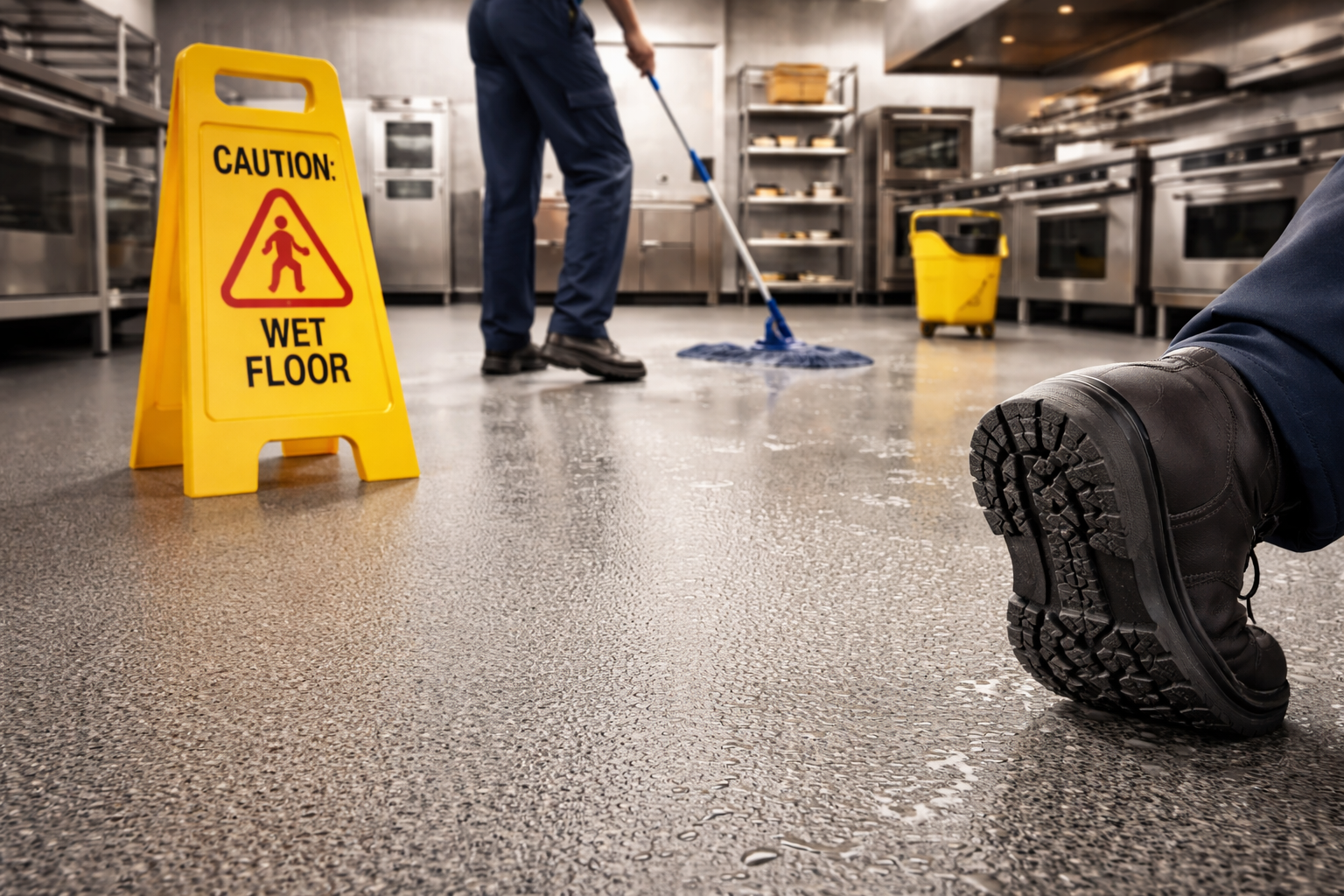
Slip resistant flooring is one of the most effective ways to reduce slip and fall accidents in commercial spaces. Every year, businesses across the USA deal with injuries, downtime, and liability claims caused by slippery floors. These incidents often happen in areas that see moisture, spills, or constant foot traffic, such as entrances, warehouses, restrooms, kitchens, and production floors.
Many slip and fall accidents are preventable. The problem is not always poor housekeeping. In many cases, the flooring itself lacks the traction needed to support safe movement. Slip resistant flooring directly addresses this issue by improving surface grip and reducing the likelihood of sudden slips. Understanding how this type of flooring works helps business owners make informed decisions that protect people and operations.
What Is Slip-Resistant Flooring and Why Is It Important?
Slip resistant flooring is designed to increase surface traction and reduce the risk of losing footing. Unlike standard smooth floors, these systems use textured finishes, non-slip aggregates, or surface treatments to improve grip under normal and wet conditions. Orlando Commercial Flooring Experts often recommend these tailored solutions for high-traffic commercial spaces where safety is non-negotiable.
This type of flooring is important because:
- Slippery floor conditions are among the most common sources of injuries in the workplace.
- Commercial environments face higher foot traffic and exposure risks
- Slip and fall accidents often result in costly claims and lost productivity
By addressing traction at the floor level, slip resistant flooring supports long term accident liability prevention and safer daily operations.
How Slip-Resistant Flooring Reduces Slip and Fall Accidents
Slip resistant flooring reduces slip and fall accidents by improving friction between footwear and the floor surface. Higher traction helps prevent sudden sliding, especially in areas exposed to water, grease, or dust.
These systems support workplace fall prevention by:
- Maintaining grip even when floors are wet
- Reducing sudden loss of balance in high traffic zones
- Supporting safer movement in transition areas
Many safety flooring solutions are tested for traction levels to ensure they meet industrial safety standards and perform consistently under real conditions.
Benefits of Slip-Resistant Flooring for Workplace Safety
The benefits of slip resistant flooring extend beyond basic safety. Businesses that invest in proper safety flooring often see improvements in overall facility performance, especially when combined with durable options like Epoxy Flooring Services that deliver both slip resistance and long-term resilience.
Key benefits include:
- Reduced slip and fall accidents
- Improved employee confidence and comfort
- Fewer disruptions from injury related incidents
- Stronger risk management strategies
These advantages make slip resistant flooring a practical solution for businesses focused on long term safety and efficiency.
How Slip-Resistant Flooring Supports ADA Requirements
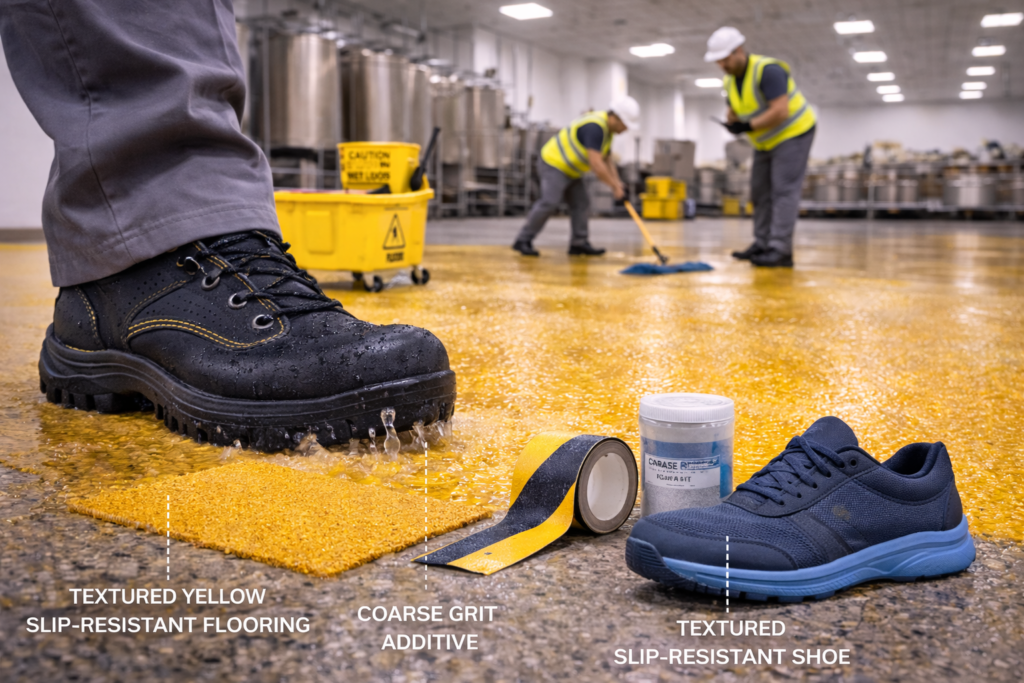
Accessibility and safety go hand in hand. Slip resistant flooring supports ADA related considerations by providing stable walking surfaces for employees and visitors.
Textured flooring surfaces help:
- Reduce hazards for individuals with mobility challenges
- Improve stability on ramps and entryways
- Support inclusive and accessible facility design
While ADA compliance involves multiple factors, flooring traction plays an important role in overall safety planning. Solutions such as Polished Concrete Flooring can achieve the required coefficient of friction while providing an attractive, low-maintenance finish that aligns with accessibility standards.
Types of Slip-Resistant Flooring for Commercial Spaces
There is no single solution that fits every environment. Slip resistant flooring comes in various forms, each designed for specific conditions.
Common options include:
- Epoxy slip resistant floors for industrial and warehouse settings
- Anti-skid flooring systems for ramps and loading areas
- Textured coatings for entrances and corridors
- High-traction flooring for wet area safety flooring zones
Selecting the right system depends on traffic levels, exposure to moisture, and operational demands.
Slip-Resistant Flooring for Wet and High-Risk Areas
Wet areas pose the highest slip risks in commercial buildings. Kitchens, locker rooms, wash stations, and production floors require flooring that performs reliably under moisture. Resinous Flooring Systems excel in these environments, offering seamless, waterproof surfaces with built-in slip-resistant properties for consistent safety.
Slip resistant flooring designed for wet environments offers:
- Consistent traction when surfaces are damp
- Resistance to oils and cleaning chemicals
- Easy maintenance without sacrificing safety
These features make it a preferred choice for businesses focused on commercial safety flooring.
Common Mistakes to Avoid with Slip-Resistant Floors
While slip resistant flooring is effective, mistakes during selection or installation can reduce its performance.
Common mistakes include:
- Choosing flooring without proper traction testing
- Ignoring maintenance requirements
- Applying solutions that are not suited for the environment
- Failing to conduct floor safety audits
Avoiding these mistakes helps ensure safety flooring solutions deliver long term value.
When to Upgrade Your Existing Commercial Floors
Existing floors may need upgrades when safety performance declines. Wear, surface polishing, and changes in usage can reduce traction over time.
Signs it may be time to upgrade include:
- Increased near miss incidents
- Visible wear on floor surfaces
- Changes in traffic or operations
- New safety or compliance requirements
Many commercial floors can be upgraded with slip resistant treatments without full replacement, minimizing disruption.
Maintenance-Friendly Flooring and Long Term Performance
Slip resistant flooring should balance safety and ease of maintenance. Some systems are designed to maintain traction while remaining easy to clean – Methyl Methacrylate Flooring is a prime example, providing exceptional durability and quick cleanability even in demanding, high-spill industrial settings.
Maintenance friendly flooring helps by:
- Reducing buildup that affects grip
- Supporting consistent traction over time
- Lowering long term upkeep effort
Routine inspections and cleaning support sustained safety performance and help identify areas needing attention.
How Floor Safety Audits Improve Slip Prevention
Floor safety audits are a proactive way to assess slip risks. These audits evaluate surface conditions, traction levels, and usage patterns.
Audits help businesses:
- Identify commercial slip hazards
- Prioritize upgrades based on risk
- Support documentation for safety programs
Combined with slip resistant flooring, audits strengthen accident prevention strategies.
Industries That Benefit Most from Slip-Resistant Flooring
Many industries rely on slip resistant flooring to protect people and assets.
Industries that benefit most include:
- Warehouses and logistics facilities
- Manufacturing plants
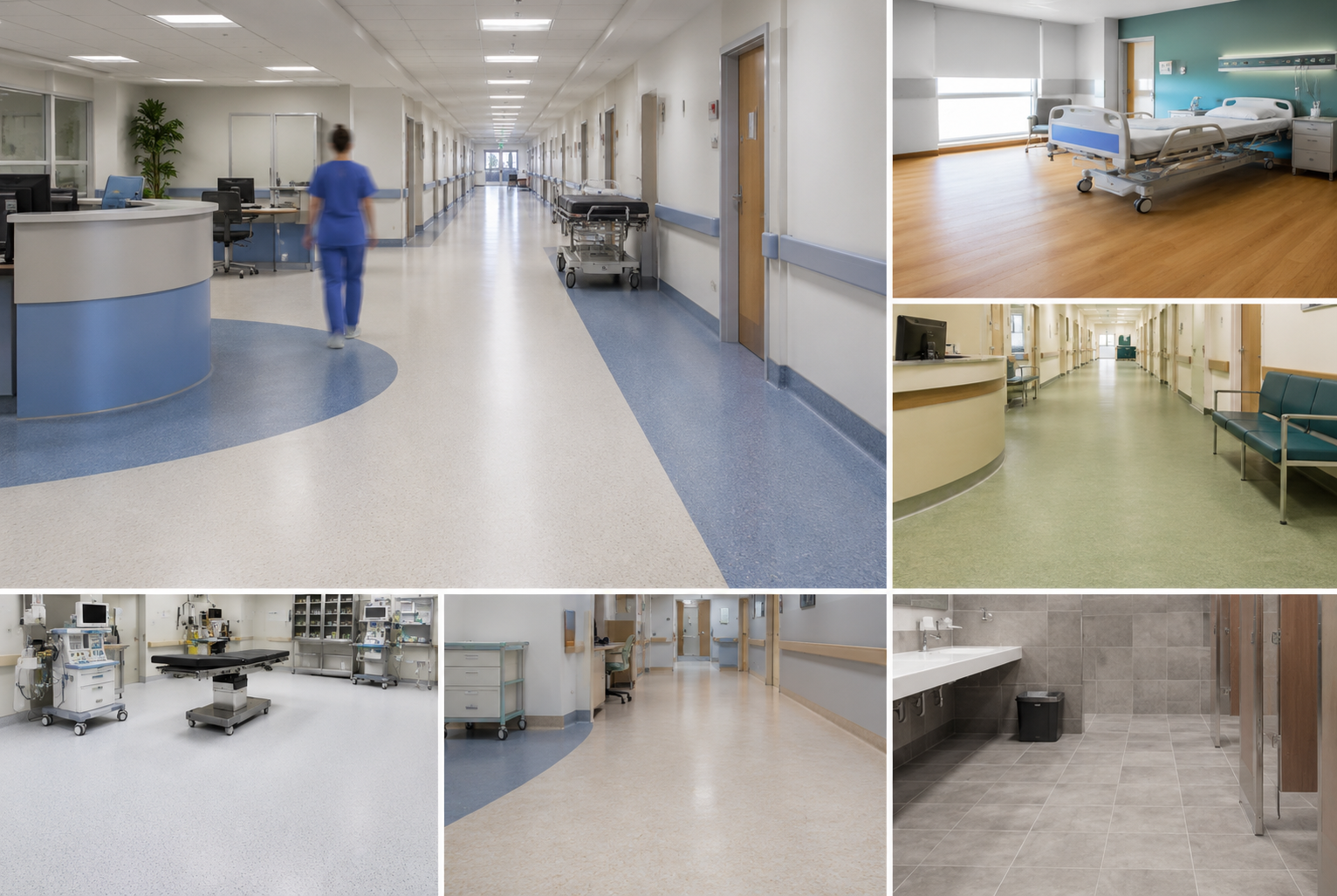
- Healthcare and medical facilities
- Retail and hospitality environments
- Food processing and commercial kitchens
Each of these environments faces unique challenges, but all benefit from improved traction and safety.
Upgrading Existing Floors Without Full Replacement
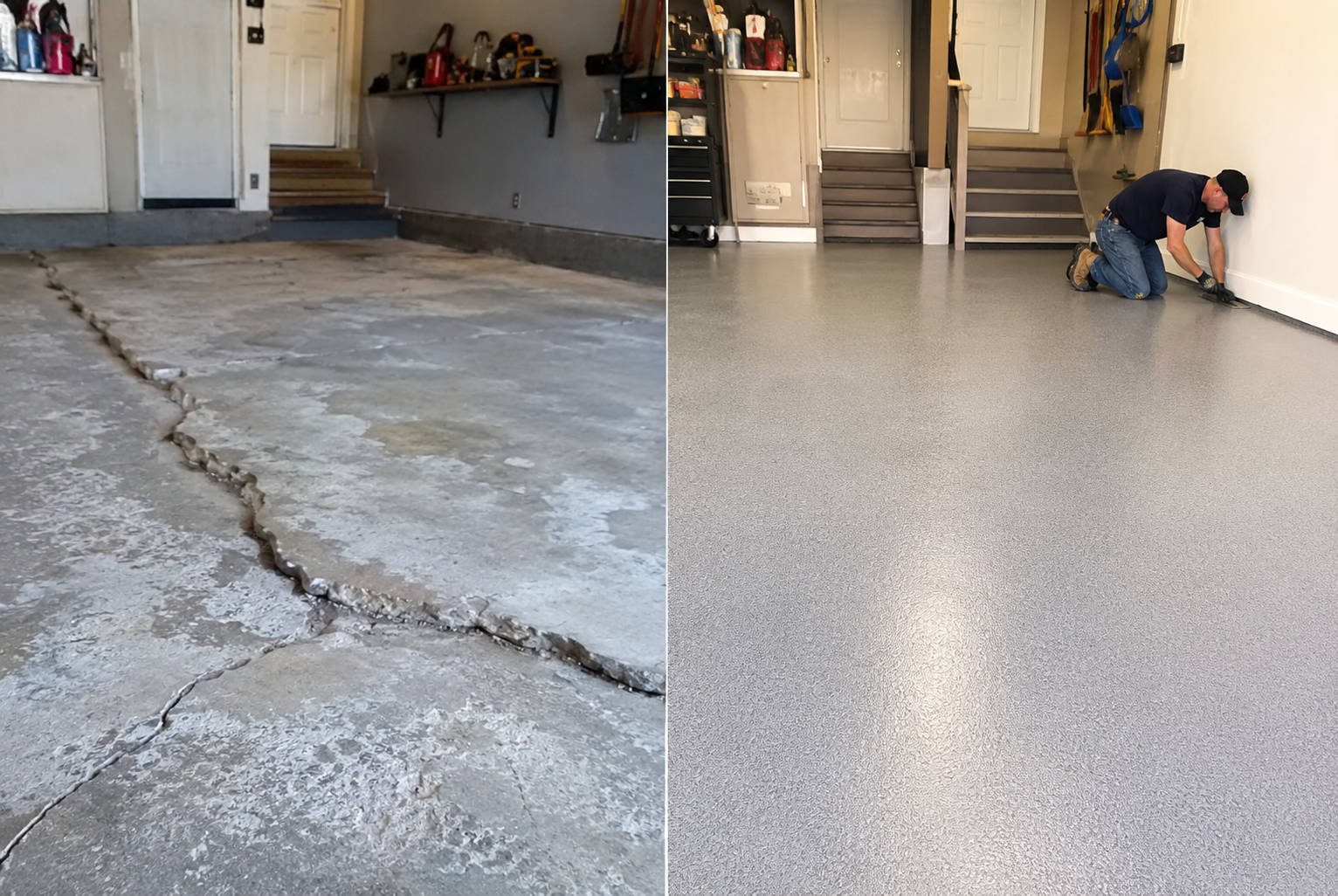
One advantage of modern slip resistant flooring is the ability to upgrade existing surfaces. Businesses often do not need to replace floors to improve safety.
Upgrades may involve:
- Applying non-slip coatings
- Using traction-enhancing treatments
- Adding targeted safety zones
These solutions support safety improvements while controlling downtime.
Why Professional Installation Matters
Slip resistant flooring performs best when installed correctly. Improper application can lead to uneven traction or reduced durability.
Professional installation ensures:
- Correct surface preparation
- Proper application of non-slip aggregates
- Consistent traction across the floor
Working with experienced providers like PPI Flooring helps businesses achieve reliable safety results
Businesses can explore non-slip flooring solutions experts to understand which systems fit their needs. For tailored guidance, Contact Us for non-slip flooring experts to discuss safety goals and site conditions. Learn more about comprehensive flooring expertise at PPI Floorings.
Conclusion
Slip resistant flooring is a key component of effective workplace safety planning. By reducing slip and fall accidents, improving traction, and supporting compliance efforts, it protects both people and businesses. Routine Professional Floor Inspections further ensure these systems continue performing at their best over time.
Choosing the right flooring solution, maintaining it properly, and upgrading when needed helps create safer commercial environments. If your facility is ready to reduce risks and improve safety, Contact Us for non-slip flooring experts to take the next step toward a safer workspace through slip resistant flooring.
FAQ
1. What is slip-resistant flooring and how does it improve safety?
Slip resistant flooring improves traction and reduces the risk of slipping on smooth or wet surfaces.
2. Why is slip-resistant flooring important in commercial spaces?
Commercial spaces have higher foot traffic and exposure risks, making slip prevention critical.
3. Which industries benefit most from slip-resistant flooring?
Warehouses, manufacturing, healthcare, retail, and hospitality benefit significantly.
4. What type of slip-resistant flooring works best for wet areas?
Epoxy slip resistant floors and high traction systems perform well in wet environments.
5. How does slip-resistant flooring help prevent workplace accidents?
It reduces sudden loss of footing, lowering slip and fall accident risks.
6. Is slip-resistant flooring required for OSHA compliance?
OSHA expects employers to address slip hazards, and slip resistant flooring supports these efforts.
7. Can existing commercial floors be upgraded to slip-resistant flooring?
Yes, many systems can be applied to existing floors without full replacement.
8. How often should slip-resistant flooring be inspected or maintained?
Regular inspections are recommended, especially in high traffic or wet areas.
9. Is slip-resistant flooring cost effective for small businesses?
Preventing accidents is often more cost effective than managing injury claims.
10. Who should install slip-resistant flooring for best safety results?
Experienced flooring professionals ensure proper application and long term performance.