
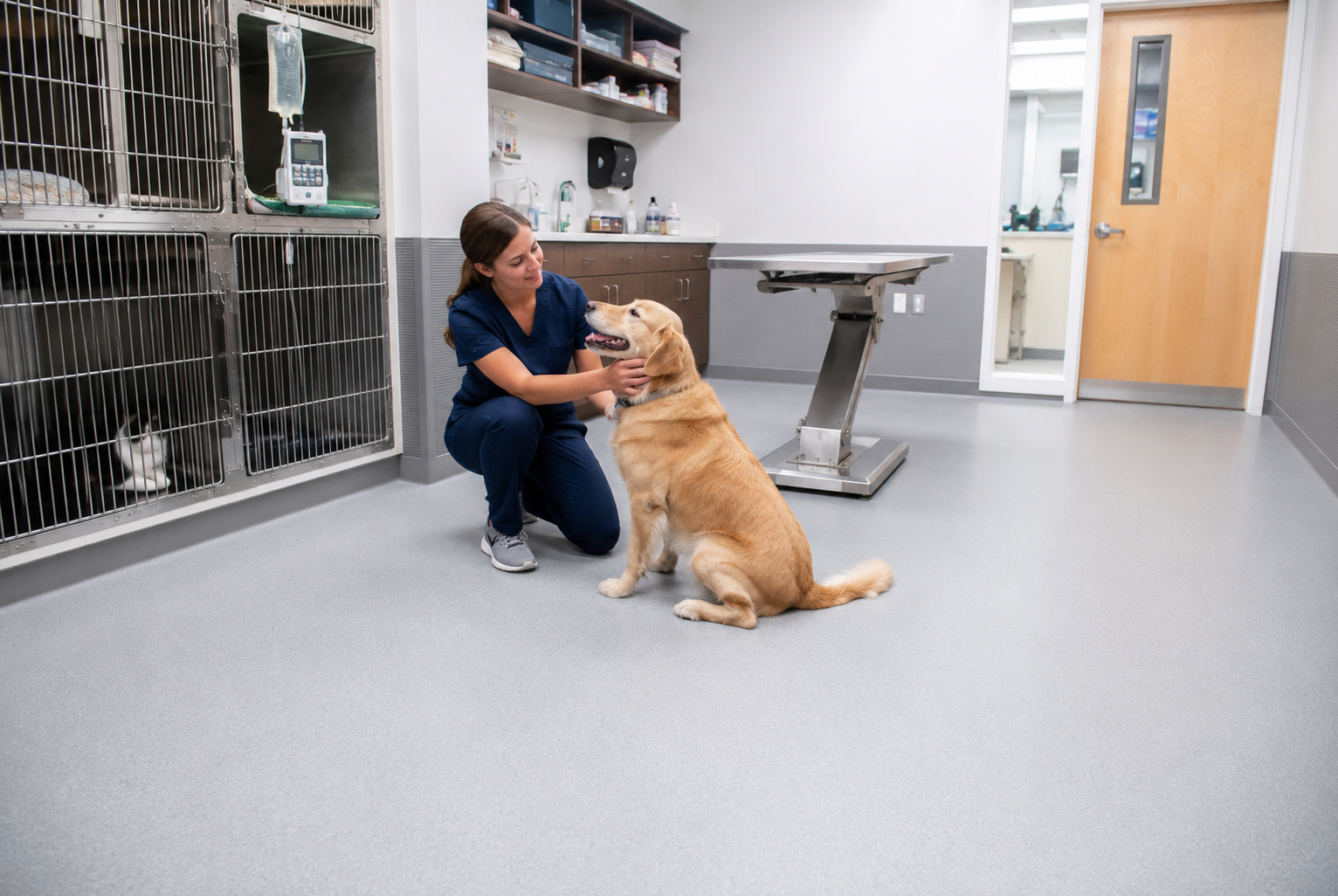
Running a veterinary clinic or animal care facility is a balancing act. You need a space that keeps pets calm, allows staff to work quickly, and stays spotless under constant traffic, paws, claws, and the occasional accident. The floor underneath it all carries more weight than most people realize.
The right veterinary clinic flooring does more than just look clean. It resists bacteria, handles harsh disinfectants, prevents slips, and lasts for years without cracking or peeling. Let us walk you through what to look for and why certain flooring systems outperform the rest.
Why Flooring Choice Matters in Animal Care Facilities
Animal care environments are tough on floors in ways most commercial spaces never experience. Urine, blood, cleaning chemicals, claw scratches, and dropped instruments all hit the surface daily, sometimes hourly.
A poorly chosen floor will absorb odors, harbor bacteria, and break down within a year or two. A well-designed animal care facility floor keeps your operation sanitary, professional-looking, and free from costly repairs.
Key Qualities to Look for in Veterinary Flooring
Before picking a material, it helps to know what features actually matter in a clinical animal setting. Here are the must-haves every facility owner should prioritize.
- Seamless surface that prevents liquids and bacteria from seeping into cracks or grout lines.
- Chemical resistance to withstand bleach, ammonia, and other strong veterinary disinfectants used in daily cleaning.
- Slip resistance to protect pets and staff, especially in exam rooms, hallways, and bathing areas.
- Easy sanitation so cleaning crews can disinfect quickly between patients without scrubbing for hours.
- Durability to handle paw traffic, rolling equipment carts, dropped tools, and heavy kennels without cracking.
When all five boxes are checked, you end up with a floor that supports both animal welfare and operational efficiency.
Why Epoxy Flooring Is the Top Choice for Vet Clinics
Among all the options out there, epoxy flooring consistently ranks as the best fit for veterinary practices and animal hospitals. It is seamless, non-porous, and built to handle the chaos of a busy clinic without giving up its polished look.
Unlike tile or vinyl, epoxy does not have grout lines where bacteria can hide. It is also chemically resistant, which means harsh sanitizers will not eat away at the surface or strip the color over time.
Benefits of Epoxy Flooring in Animal Care Settings
There is a reason so many veterinarians, groomers, kennels, and shelters lean toward epoxy. The benefits stack up fast.
- Antimicrobial properties help reduce the spread of bacteria, viruses, and pathogens between animals.
- A hygienic and waterproof surface keeps urine, blood, and water from reaching the substrate, eliminating odor traps.
- Anti-slip additives can be blended into the topcoat for safer movement during baths, surgeries, and emergencies.
- High-gloss finish brightens treatment rooms and reflects light, making spaces look bigger and more welcoming.
Long lifespan with proper installation, often lasting over a decade with minimal maintenance.
These benefits make epoxy floor coatings a smart long-term investment rather than just a cosmetic upgrade.
Best Flooring Options for Specific Areas in a Veterinary Facility
Different parts of a clinic have different needs. A one-size-fits-all approach rarely works in a busy animal hospital.
- Exam rooms benefit from smooth, antimicrobial epoxy coatings that disinfect easily and look sharp.
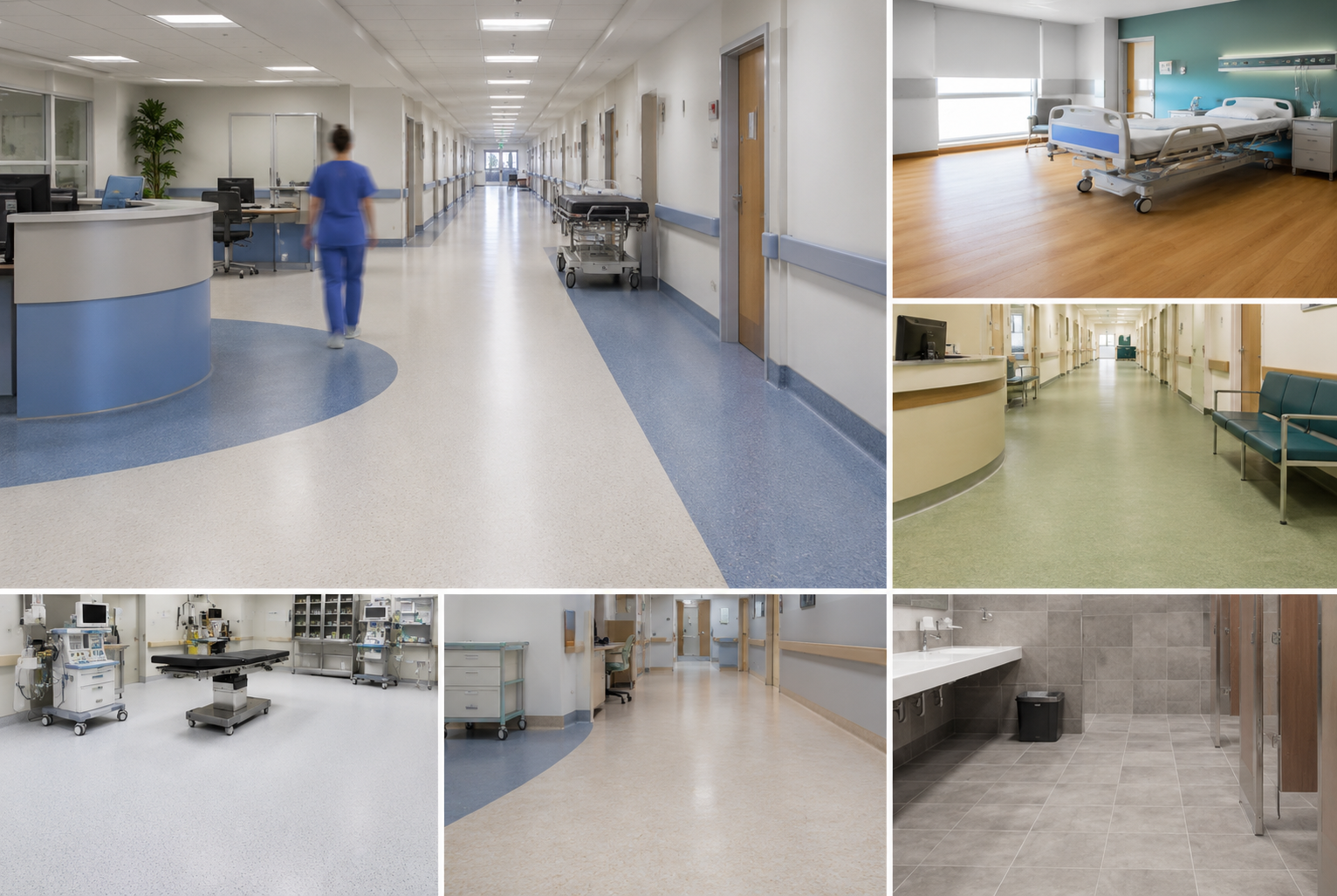
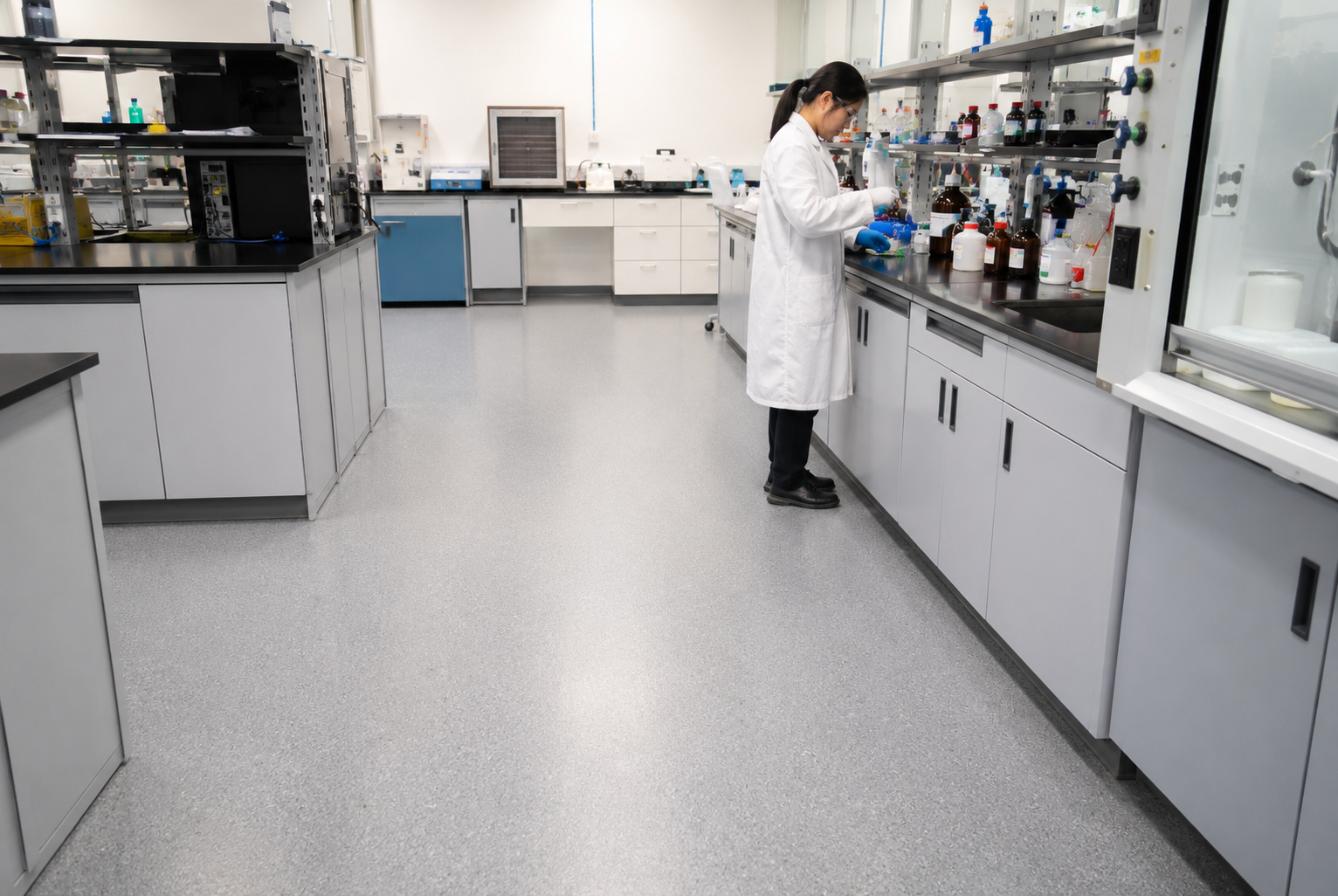
- Surgical suites need seamless, clean room flooring with strict resistance to fluids and chemicals.
- Kennels and boarding areas require slip-resistant, waterproof surfaces with built-in coving for easy washdowns.
- Grooming and bathing stations demand textured non-slip epoxy to prevent falls when water is everywhere.
- Reception and waiting areas look best with decorative epoxy or quartz finishes that hide scuffs and dirt.
A turnkey flooring partner can tailor each zone with the right system instead of forcing one material everywhere.
Flooring Options to Avoid in Veterinary Clinics
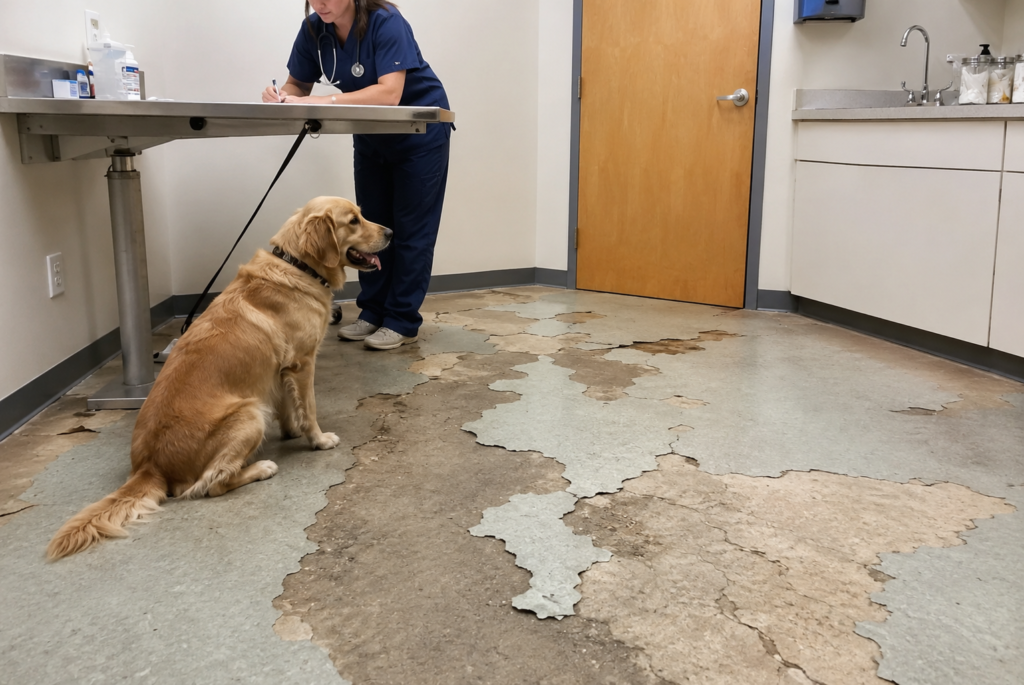
Some popular flooring materials simply do not hold up in animal care environments. Knowing what to avoid saves you from costly do-overs.
- Carpet absorbs odors and holds bacteria and stains within days. It has no place in clinical animal settings.
- Standard ceramic tile looks clean, but the grout lines trap urine, bacteria, and odors over time.
- Vinyl plank or laminate can warp from moisture and scratches easily under claws and rolling carts.
- Polished concrete without sealing absorbs liquids, stains permanently, and is slippery when wet.
Choosing the wrong floor often leads to early replacement, sanitation issues, and unhappy clients.
Safety and Compliance Considerations
Veterinary clinics must meet strict health, safety, and sanitation standards. Floors play a big role in passing inspections and protecting both animals and staff.
A high-performance resinous flooring system can help your facility comply with OSHA, FDA, and EPA guidelines while reducing the risk of slip-and-fall liability. Coved bases between the wall and floor also prevent water and bacteria from collecting in seams.
How Long Does Epoxy Flooring Last in a Vet Clinic?
When installed by experienced professionals, commercial epoxy flooring in a vet clinic can last 10 to 20 years or more. The key is proper surface preparation, quality materials, and the right topcoat for your specific traffic patterns.
Regular cleaning with neutral disinfectants and occasional maintenance is usually all it takes to keep the floor looking new. That kind of longevity is hard to match with tile, vinyl, or laminate options.
The Professional Installation Process
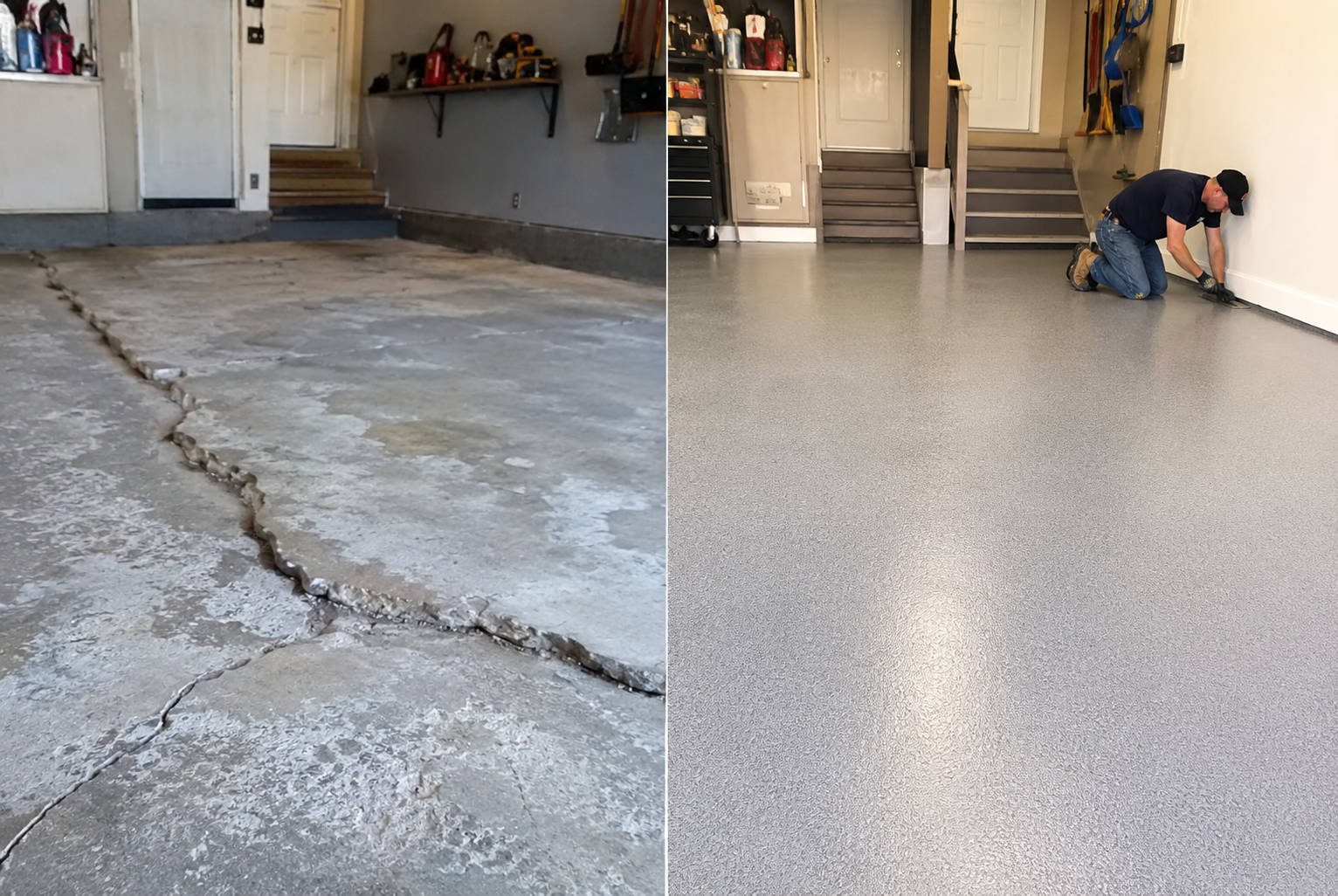
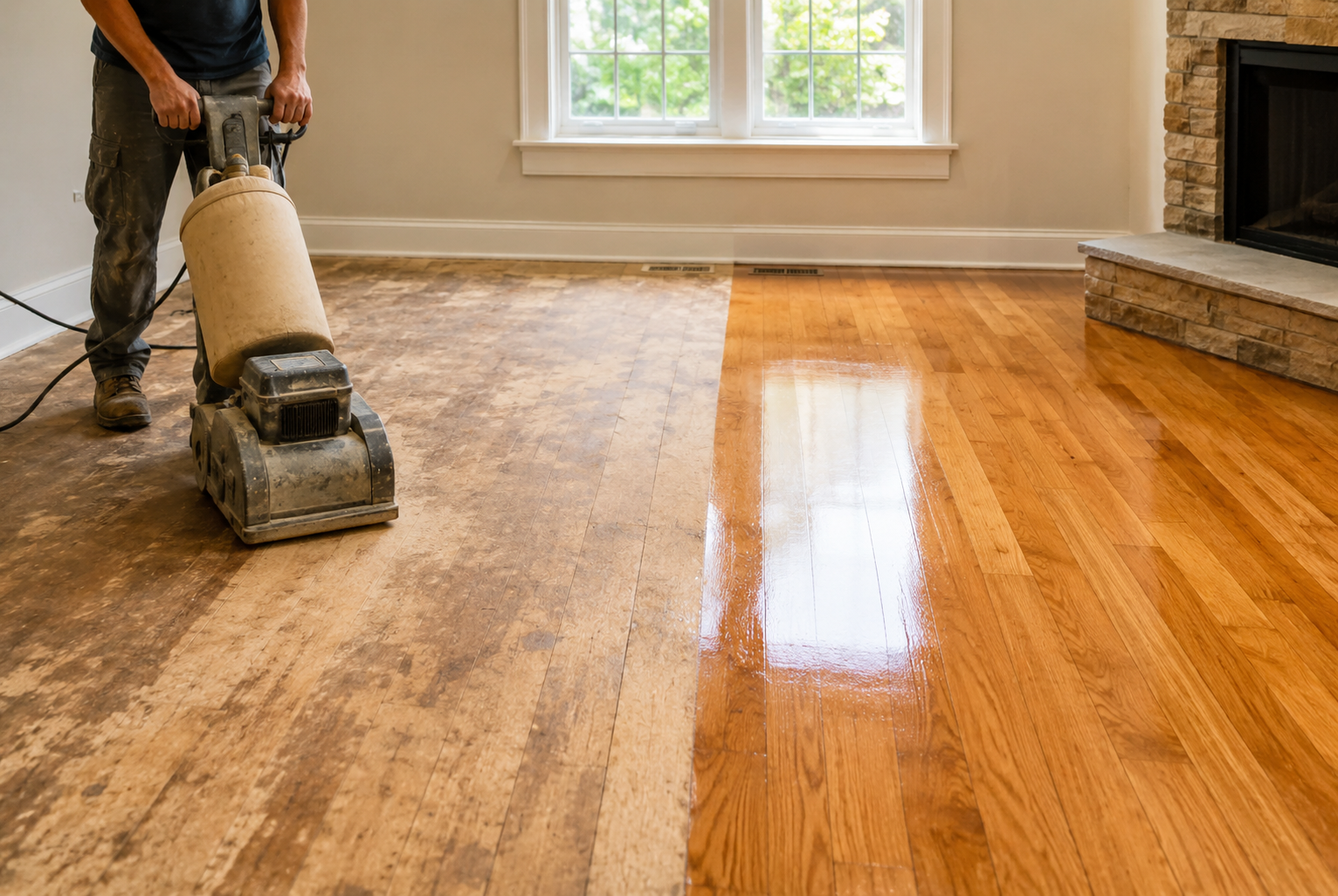
A successful flooring project starts long before the first coat is applied. The substrate is prepped using shot blasting or diamond grinding to ensure strong adhesion. Any cracks or low spots are filled, and a primer is laid down. Then the epoxy resurfacing system is applied in layers, finishing with anti-slip additives, decorative flakes, or coving as needed. Most installations are scheduled to minimize downtime so your clinic can reopen quickly.
Conclusion
Your patients deserve a safe space, your staff deserves a clean workspace, and your clients deserve a facility that looks as professional as the care you provide. The right floor delivers all three without compromise.
Our team specializes in industrial epoxy flooring, antimicrobial coatings, and animal care facility flooring designed to handle the unique demands of veterinary practices. Reach out today for a no-cost, no-obligation consultation and let us help you build a cleaner, safer, more polished clinic from the ground up.
FAQ
1. What is the most hygienic flooring for veterinary clinics?
Seamless epoxy flooring is widely regarded as the most hygienic option. Its non-porous, antimicrobial surface prevents bacteria, urine, and fluids from soaking in, making sanitation fast and thorough.
2. Is epoxy flooring safe for animals?
Yes. Once cured, epoxy floor coatings are completely safe and non-toxic. Anti-slip additives can also be included to keep paws steady on wet or freshly mopped surfaces.
3. How often does veterinary flooring need to be replaced?
A professionally installed epoxy system typically lasts 10 to 20 years. With routine cleaning and minor touch-ups, many facilities never need a full replacement during that period.
4. Can epoxy flooring handle strong disinfectants?
Absolutely. Chemical-resistant epoxy coatings are formulated to withstand bleach, ammonia, and hospital-grade cleaners without losing color, gloss, or strength.
5. How long will my clinic be closed during installation?
Most installations are scheduled in phases or after hours to minimize disruption. Depending on the size of the facility, your clinic can typically reopen within a few days.