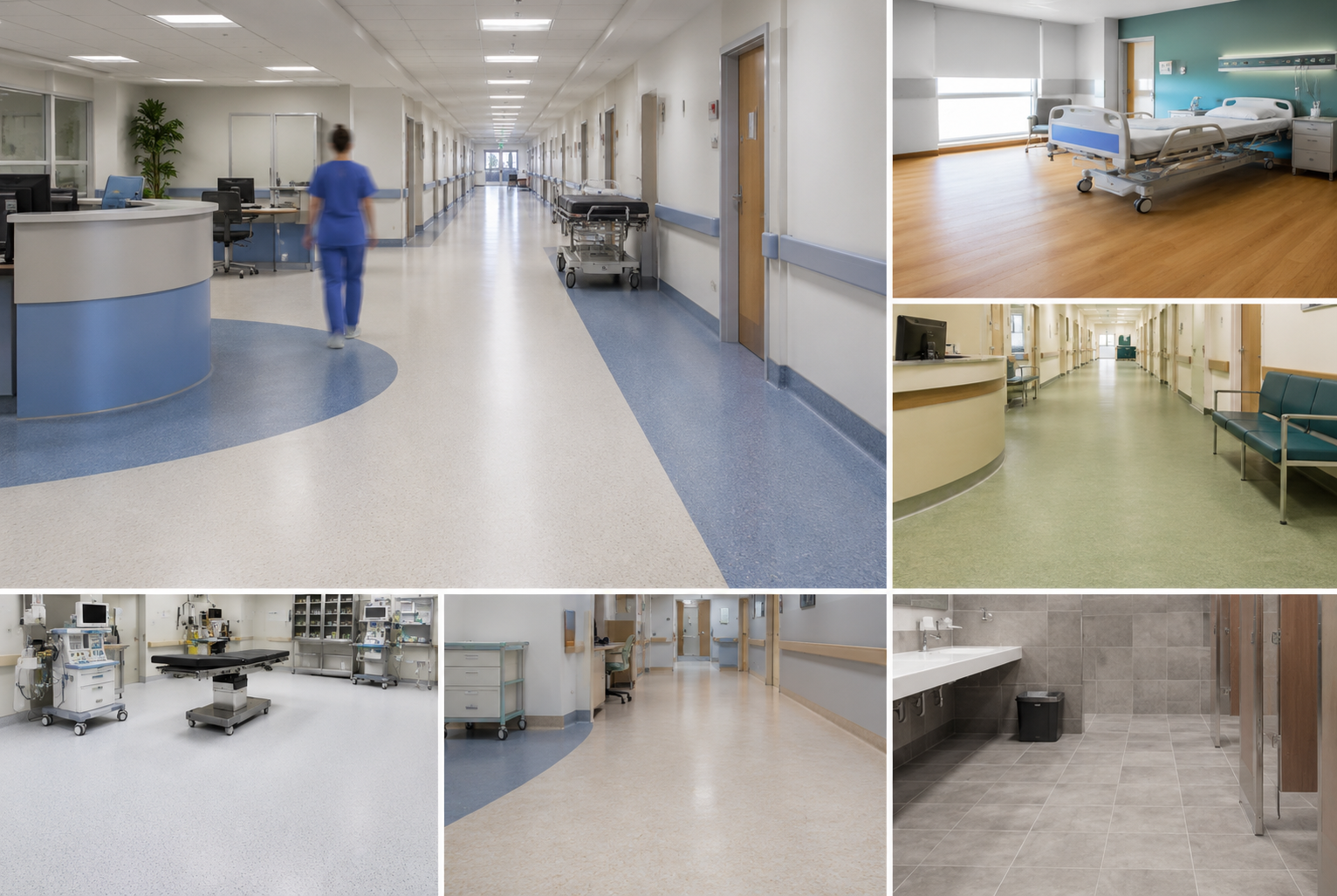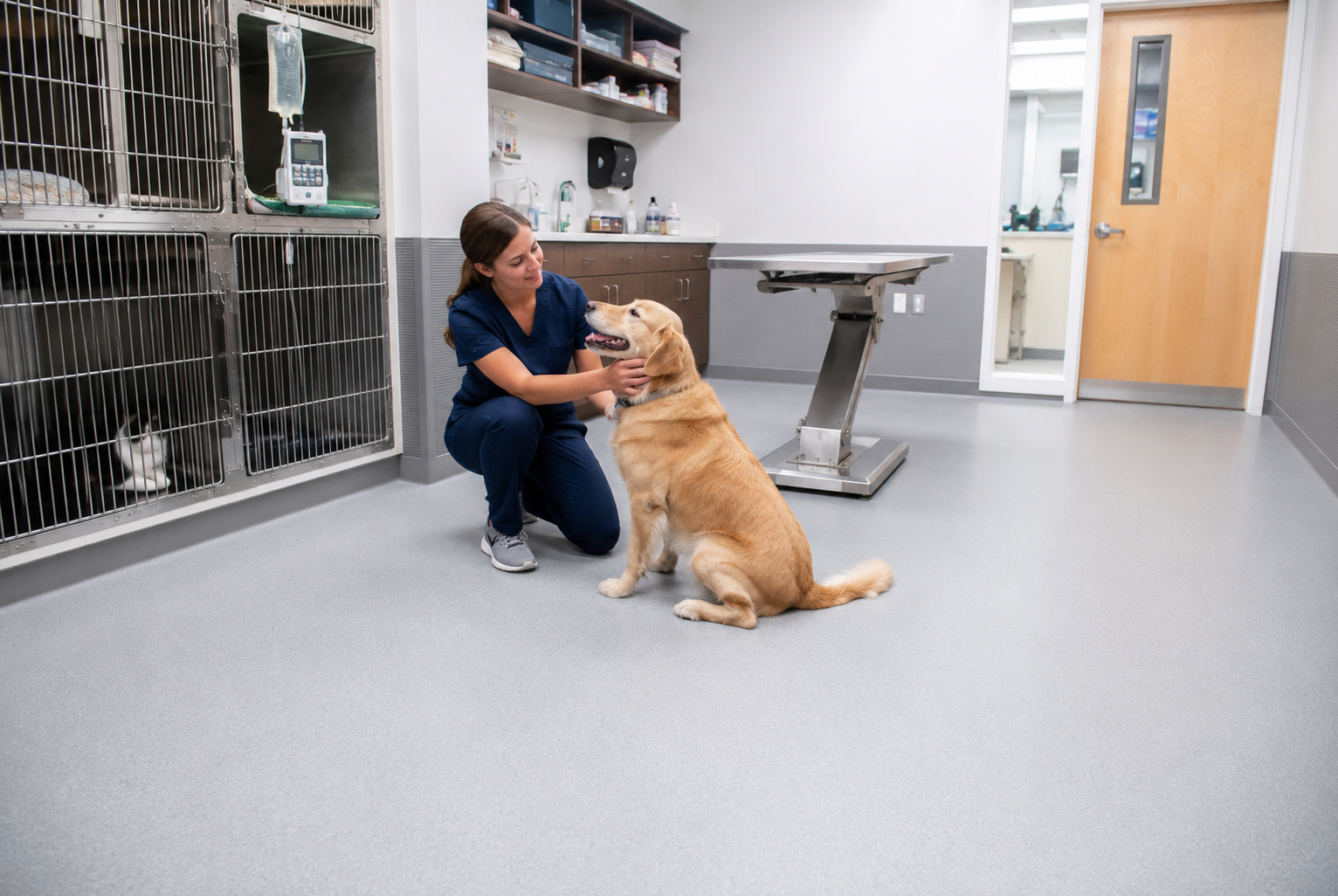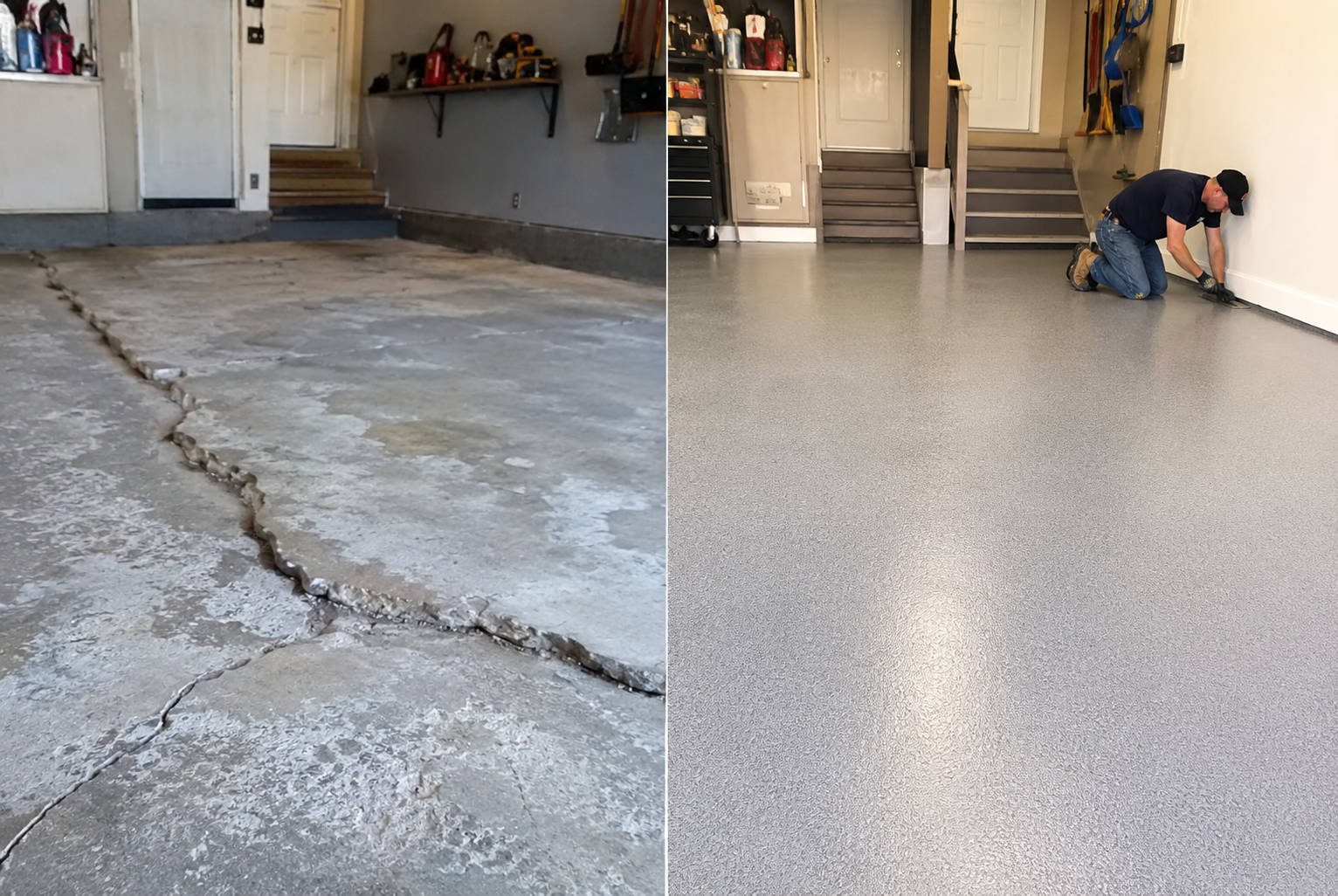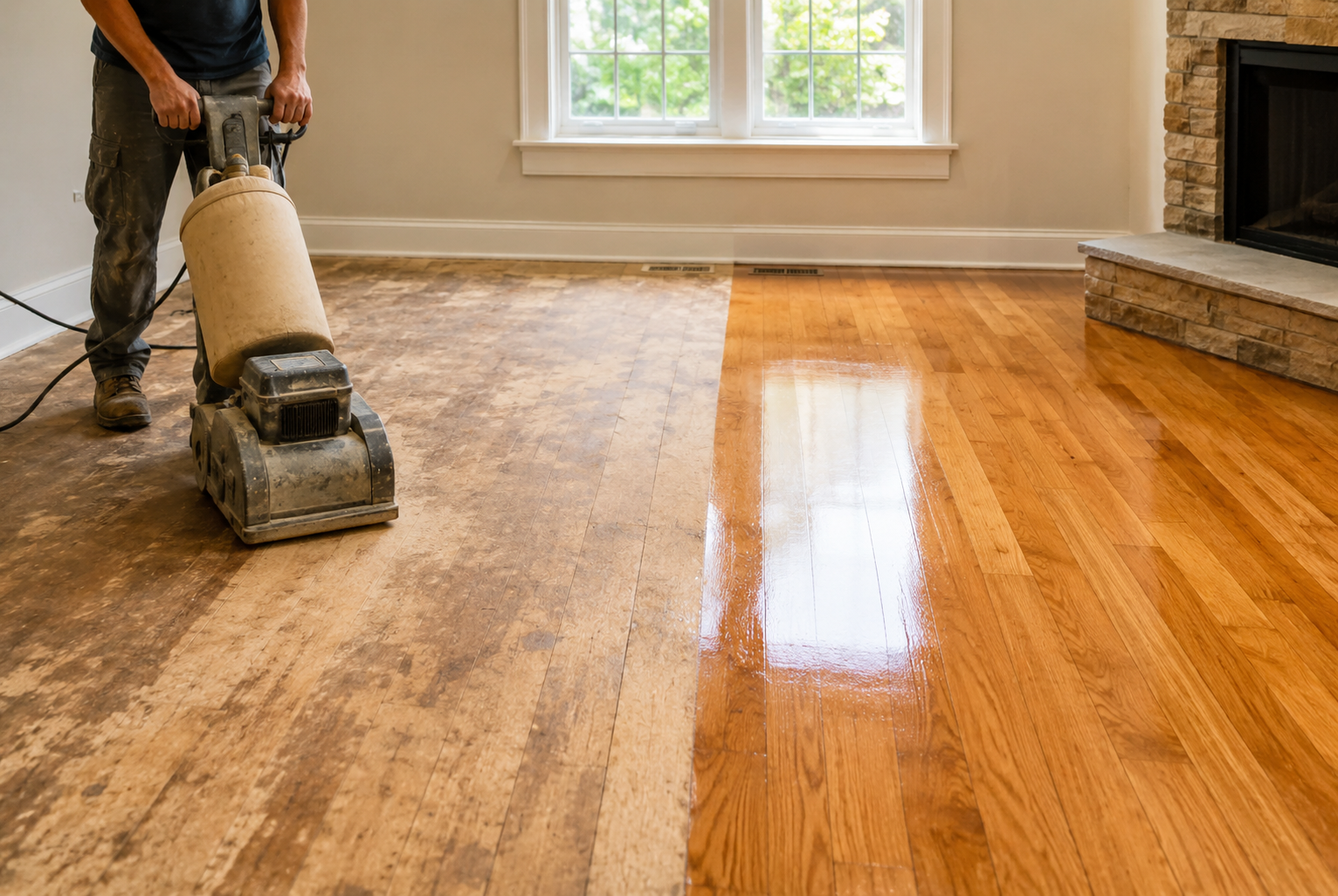

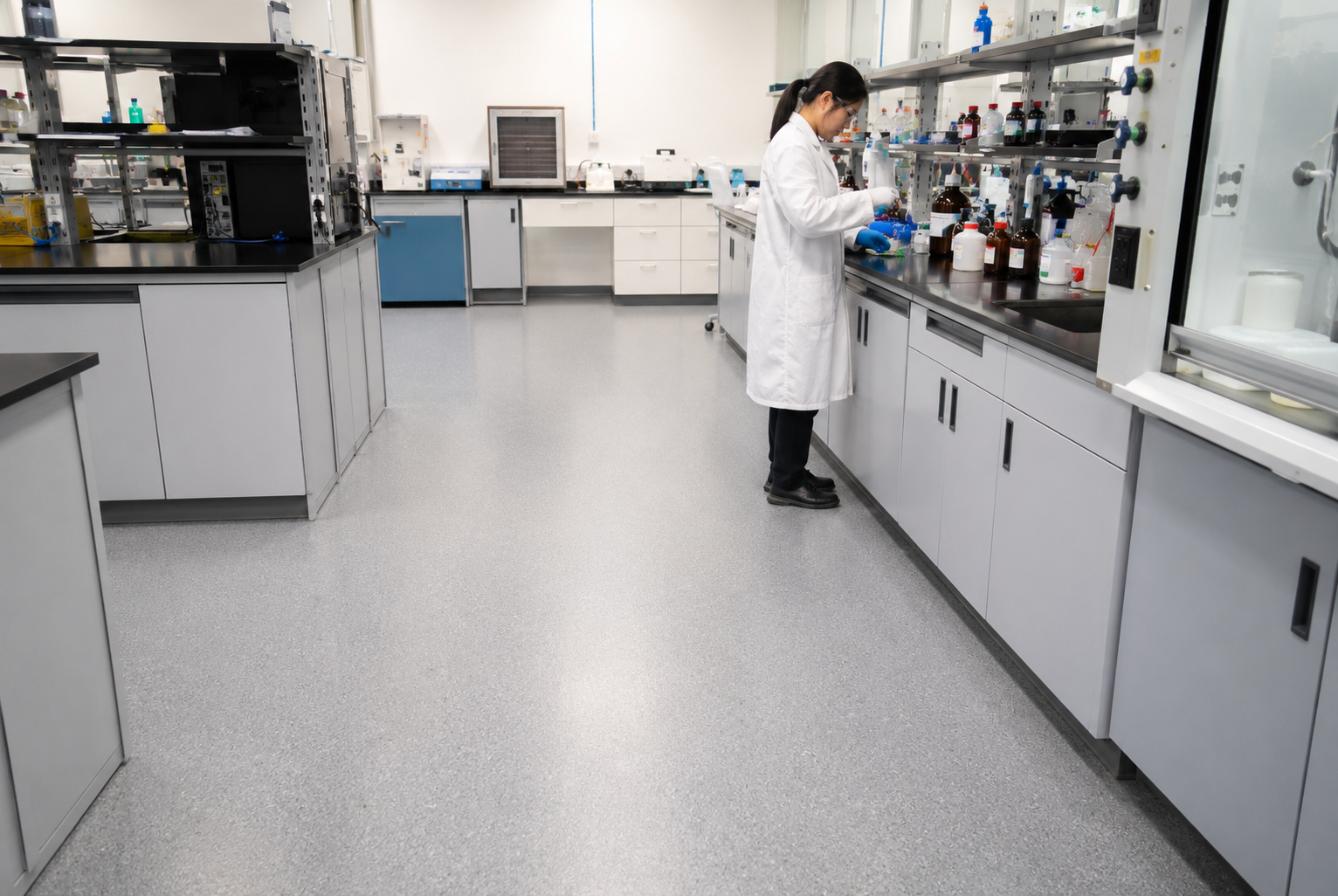
Walk into any working laboratory, and the floor is doing more than you think. It’s resisting acid spills, surviving constant foot traffic, holding up against rolling carts, and keeping technicians from slipping during a hectic shift.
Choosing the wrong floor can mean cracked surfaces, chemical stains, failed inspections, and serious safety risks. So which laboratory flooring system actually delivers on safety and chemical resistance? Let’s break it down clearly so you can make the right call for your facility.
Why Laboratory Flooring Demands a Special Approach
A standard concrete or tile floor simply isn’t built for lab conditions. Labs deal with corrosive chemicals, biological agents, thermal shock from spilled solvents, and strict compliance standards like OSHA, FDA, and USDA.
The right seamless flooring system prevents bacteria buildup, resists harsh reagents, and creates a hygienic environment your team can trust every single day. It’s not just about looks. It’s about protecting people, equipment, and the integrity of your research.
Top Laboratory Flooring Options Compared
Not every lab has the same needs. Below are the most reliable industrial flooring solutions used across pharmaceutical labs, research facilities, healthcare diagnostics, and chemistry environments.
1. Epoxy Resin Flooring
Epoxy flooring is the most widely chosen option for laboratories and for good reason. It creates a seamless, non-porous surface that blocks chemicals, water, and bacteria from penetrating the substrate. It handles spills from acids, solvents, and cleaning agents without staining or breaking down. With high-build epoxy systems, you also gain impact resistance for heavy equipment and rolling loads.
2. Urethane Cement Flooring
If your lab deals with thermal shock, hot water washdowns, or aggressive chemicals, urethane cement is the strongest contender. It performs in extreme temperatures ranging from freezing cold to over 250°F. This system is a favorite in pharmaceutical labs and food testing facilities because it’s USDA-compliant and resists everything from lactic acid to bleach. It’s tougher than standard epoxy and built for punishing environments.
3. Methyl Methacrylate (MMA) Flooring
MMA flooring is the fastest curing option available, often ready for use within just one to two hours. That makes it ideal for labs that can’t afford long shutdowns during installation or repairs. It delivers excellent chemical resistance, UV stability, and a smooth, easy-clean finish. The trade-off is a stronger odor during installation, which is why proper ventilation planning matters.
4. ESD (Electrostatic Discharge) Flooring
For electronics labs, cleanrooms, and facilities handling sensitive instrumentation, ESD flooring is non-negotiable. It controls static electricity that could damage equipment, ignite flammable vapors, or skew sensitive readings. These systems blend conductive properties with the durability of resin coatings, giving you both protection and performance under one finish.
Key Safety Features to Look For
Not all flooring marketed as “lab-grade” actually performs in real conditions. When evaluating your options, focus on these non-negotiables.
- A high-quality chemical-resistant floor coating should offer anti-slip texture to reduce fall risk, especially in wet zones. Look for systems rated against the specific reagents your lab handles, whether that’s sulfuric acid, sodium hydroxide, or organic solvents.
- Seamless installation is another must. Cracks, grout lines, and joints trap contaminants and make sanitation nearly impossible. A monolithic resin floor eliminates those weak spots entirely.
- You’ll also want antimicrobial additives if your facility deals with biological samples or healthcare-related work. These additives actively suppress bacterial and fungal growth on the surface.
Ready to upgrade your lab to a floor that actually meets industry standards? Reach out to our flooring specialists today and let’s build a surface engineered for your exact lab environment.
Compliance and Hygiene Standards That Matter
Laboratories often operate under strict regulations, including GMP (Good Manufacturing Practice), OSHA safety codes, and FDA hygiene requirements. Your flooring directly affects whether you pass or fail those audits.
A properly installed resinous flooring system supports compliance by being easy to disinfect, free of porous joints, and resistant to the chemicals used in your cleaning protocols. That means fewer red flags during inspections and less stress for your facility managers.
How to Choose the Right System for Your Lab
The best floor depends on what your lab actually does day to day. A wet chemistry lab has different demands than a microbiology lab or a quality-control testing facility.
Start by mapping your chemical exposure, foot traffic, temperature ranges, and cleaning frequency. Then match those needs to a system. For most general-purpose labs, high-performance epoxy strikes the best balance of cost, durability, and chemical defense.
For high-heat or aggressive chemical environments, urethane cement is worth the investment. And if downtime is your biggest concern, MMA gets you back to work fast without sacrificing protection.
Don’t let guesswork decide what’s protecting your team and your equipment. Our team will walk your facility, assess your exact conditions, and recommend the right flooring system tailored to your operation.
Installation Quality Makes or Breaks Performance
Even the best flooring product fails if it’s installed poorly. Surface preparation, moisture testing, primer application, and proper curing all influence how long your floor will last and how well it performs.
That’s why hiring an experienced commercial flooring contractor matters more than choosing the cheapest bid. A well-installed mid-grade system will outperform a poorly installed premium one every time.
FAQ
1. How long does laboratory flooring usually last?
A professionally installed epoxy or urethane cement floor can last 15 to 20 years with proper maintenance. Heavy-duty systems in extreme conditions may need recoating sooner depending on chemical exposure.
2. Is epoxy flooring safe for chemical labs?
Yes. High-performance epoxy is engineered to resist acids, solvents, oils, and cleaning agents. Just make sure the formulation matches the specific chemicals your lab uses regularly.
3. Can lab floors be installed without shutting down operations?
Many systems require some downtime, but MMA flooring cures in one to two hours, allowing labs to resume work the same day. Phased installation can also minimize disruption.
4. What flooring is best for cleanroom labs?
Seamless epoxy with antimicrobial additives or ESD-compliant resin is ideal for cleanrooms. These systems prevent contamination and support strict hygiene protocols.
5. How do I maintain a chemical-resistant lab floor?
Routine sweeping, neutral-pH cleaners, and prompt spill cleanup keep the surface performing well. Avoid abrasive pads and harsh acids unless your system is rated for them.
Conclusion
Your laboratory floor is the foundation of every safe shift, every accurate result, and every successful inspection. Settling for generic flooring puts your team, your samples, and your reputation at risk. The right system, installed by the right team, gives you decades of worry-free performance. If you’re ready to invest in a floor engineered for safety, chemical resistance, and long-term durability, our specialists are here to make it happen. Get in touch today and let’s design a laboratory flooring solution that works as hard as you do.