
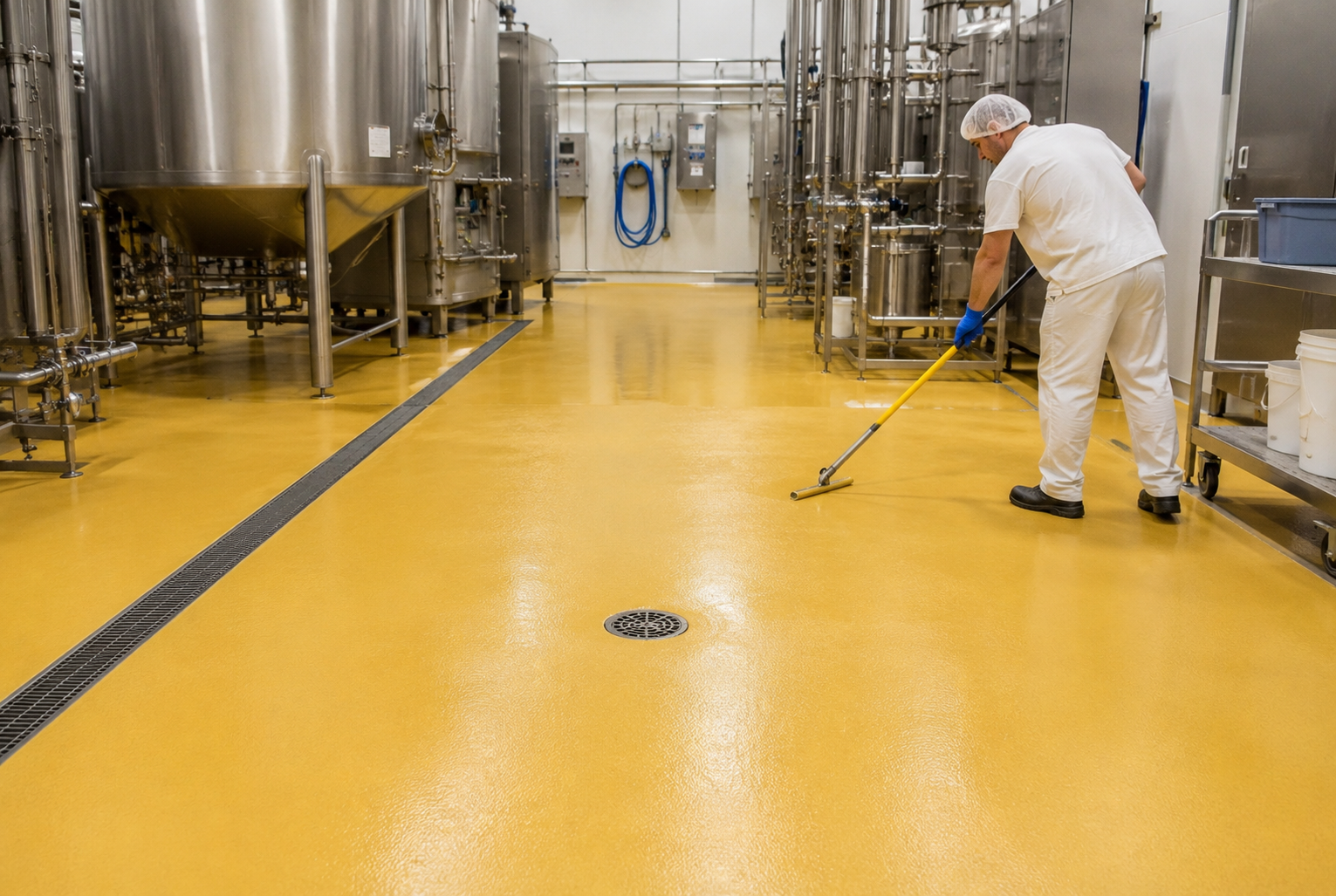
Industrial and commercial facilities deal with flooring problems that directly impact productivity and safety. Heavy traffic, machinery movement, chemical spills, and moisture exposure often damage standard concrete surfaces much faster than expected. Once floors begin cracking, peeling, or becoming slippery, businesses face operational delays, maintenance expenses, and increased safety risks. Many facilities turn to PPI Flooring because durable flooring systems are essential for maintaining efficient day-to-day operations.
Urethane cement flooring has become one of the most reliable solutions for facilities that need long-lasting performance in demanding environments. This flooring system is designed to withstand heavy use, temperature fluctuations, moisture, and chemical exposure without failing under pressure. From food processing plants and warehouses to healthcare facilities and commercial kitchens, urethane cement flooring offers the strength and durability businesses need to maintain smooth operations while reducing long-term repair costs.
What Is Urethane Cement Flooring?
Urethane cement flooring is a high-performance flooring system made from urethane, cement, aggregates, and performance-enhancing materials. It forms a seamless surface that bonds directly to concrete substrates, creating a durable and highly resistant floor. Unlike standard coatings, urethane cement flooring is specifically engineered for environments where floors experience constant operational stress.
This flooring system is commonly used in industries that require resistance to chemicals, moisture, thermal shock, and heavy impact. Its seamless finish also improves hygiene and maintenance by reducing areas where dirt, moisture, or bacteria can collect. Businesses choose urethane cement flooring because it performs reliably in environments where traditional flooring systems often fail prematurely.
Key Features of Urethane Cement Flooring
- Strong chemical resistance
- Seamless and hygienic finish
- High impact and abrasion resistance
- Thermal shock protection
- Moisture-resistant surface
- Slip-resistant texture options
Why Is Urethane Cement Flooring Popular in Industrial Facilities?
Industrial facilities operate in environments where flooring is constantly exposed to heavy machinery, abrasion, impact, and spills. Standard flooring materials often wear down quickly under these conditions, creating safety concerns and disrupting productivity. Businesses need surfaces that can handle continuous operational demands without frequent repairs.
Urethane cement flooring remains popular because it delivers strong durability and long-term performance in industrial settings. Its ability to resist harsh conditions while maintaining structural integrity helps facilities reduce downtime and improve operational efficiency in demanding work environments.
Where Is Urethane Cement Flooring Best Used?
Urethane cement flooring is designed for demanding commercial and industrial applications where durability and resistance are essential. Different industries face different flooring challenges, but this system performs well in environments exposed to moisture, chemicals, and heavy traffic.
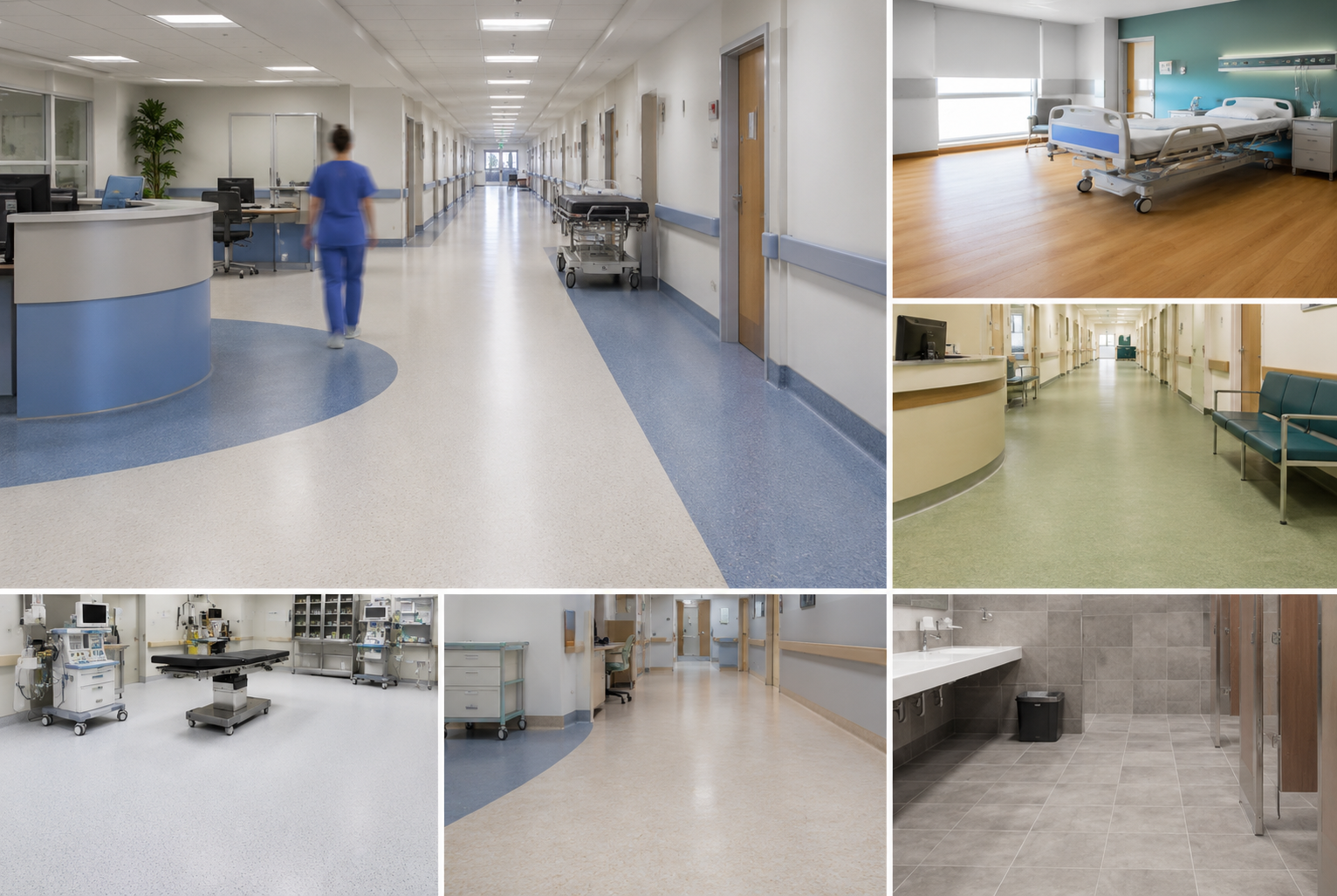
Food processing facilities commonly use urethane cement flooring because it handles steam cleaning, moisture exposure, and temperature changes without breaking down. Warehouses and manufacturing facilities also rely on this system for heavy equipment traffic and abrasion resistance. Healthcare and pharmaceutical environments benefit from the seamless surface, which supports hygiene and easier sanitation procedures.
Industries That Commonly Use Urethane Cement Flooring
- Food processing plants
- Commercial kitchens
- Warehouses and distribution centers
- Manufacturing facilities
- Healthcare facilities
- Pharmaceutical environments
Why Does Urethane Cement Flooring Work Well in Commercial Kitchens?
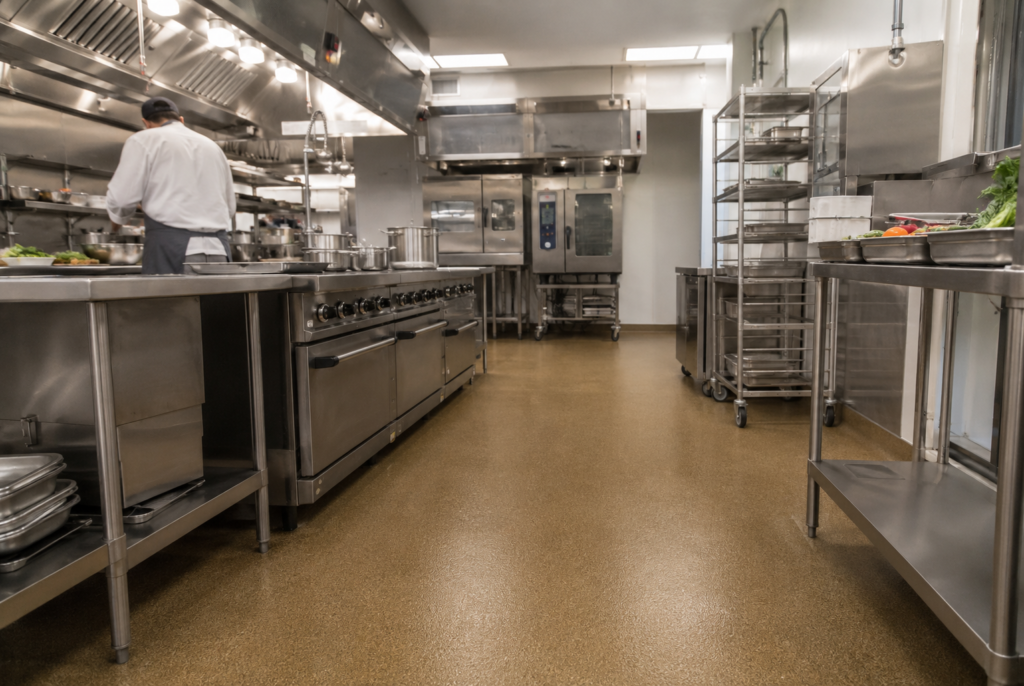
Commercial kitchens experience constant exposure to grease, spills, hot water, and cleaning chemicals. Standard flooring systems often become slippery or damaged under these demanding conditions, increasing safety risks and maintenance requirements. Flooring failure in kitchens can quickly affect operations and compliance standards.
Urethane cement flooring works well in commercial kitchens because it resists moisture, chemicals, and thermal shock while maintaining surface stability. Slip-resistant finishes improve workplace safety, and seamless construction supports easier cleaning. Many facilities also combine these systems with non-slip flooring solutions to improve traction and reduce accidents in high-traffic kitchen environments.
How Does Urethane Cement Flooring Compare to Epoxy Flooring?
Many businesses compare urethane cement flooring and epoxy flooring when choosing a commercial flooring system. While both offer durability, they perform differently depending on operational conditions and environmental exposure. Understanding these differences helps businesses select the right flooring solution for their facility.
Epoxy flooring works well in stable environments with moderate traffic and limited temperature changes. Urethane cement flooring, however, offers better flexibility and stronger thermal shock resistance. Facilities exposed to moisture, steam cleaning, or extreme operational conditions often prefer urethane cement because it performs more consistently in harsh environments.
Urethane Cement Flooring vs Epoxy Flooring
| Feature | Urethane Cement Flooring | Epoxy Flooring |
| Thermal Shock Resistance | Excellent | Moderate |
| Moisture Resistance | High | Moderate |
| Impact Resistance | High | Moderate |
| Chemical Resistance | Strong | Strong |
| Best Environment | Industrial & Wet Areas | Stable Commercial Spaces |
What Makes Urethane Cement Flooring Resistant to Thermal Shock?
Thermal shock occurs when flooring experiences sudden temperature changes that cause expansion and contraction. Many flooring systems crack or separate from the substrate when exposed to hot water, steam cleaning, or freezing conditions. This type of damage is common in food production and industrial environments.
Urethane cement flooring is designed to handle rapid temperature fluctuations without surface failure. Its composition allows the material to expand and contract with the concrete substrate, reducing the risk of cracking or delamination. This makes it highly effective for facilities that experience frequent temperature changes during operations.
How Does Urethane Cement Flooring Improve Workplace Safety?
Safety remains one of the biggest concerns in industrial and commercial environments. Damaged or slippery floors increase the risk of accidents, downtime, and liability issues that affect business operations. Facilities need flooring systems that support safe movement while maintaining durability under pressure.
Urethane cement flooring improves workplace safety by providing stable and slip-resistant surfaces. Seamless finishes reduce trip hazards, while chemical resistance prevents surface breakdown from spills and cleaning products. Businesses that schedule regular flooring inspection services can also identify potential surface issues early and maintain safer working conditions over time.
Safety Benefits of Urethane Cement Flooring
- Reduces slip-related risks
- Improves traction in wet environments
- Minimizes trip hazards with seamless finishes
- Resists damage from chemical spills
- Supports safer industrial operations
Why Is Proper Installation Important for Urethane Cement Flooring?
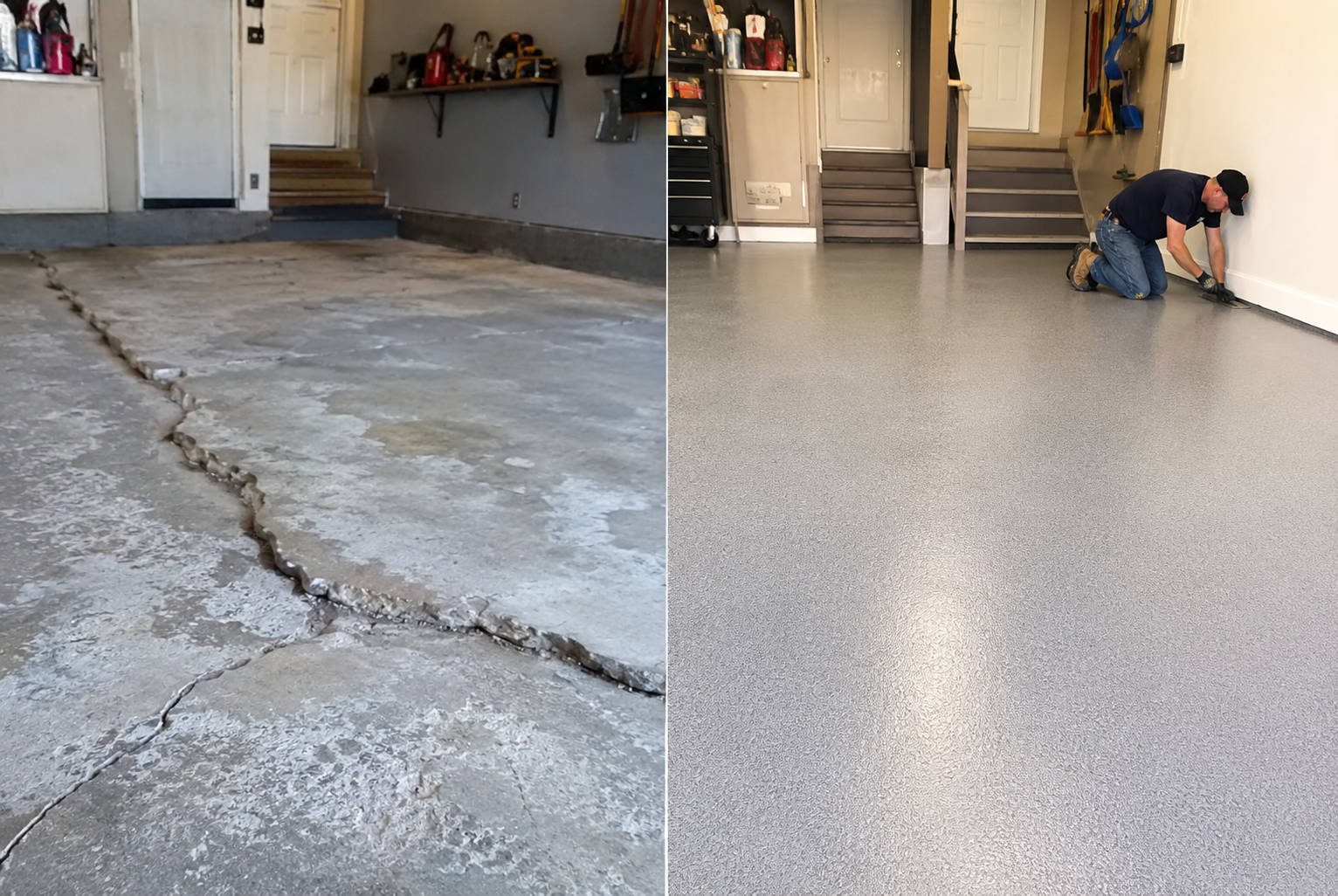
Even the most durable flooring system can fail if installation is not completed correctly. Poor surface preparation or improper application often leads to bubbling, peeling, and weak adhesion that shortens the lifespan of the flooring system. Installation quality directly affects long-term performance.
Professional installation starts with preparing the concrete substrate through methods like shot blasting or diamond grinding. Once the surface is ready, the urethane cement system is applied carefully to create a seamless and durable finish. Businesses that contact us for professional installation support often experience better flooring performance and fewer long-term maintenance issues.
How Does Urethane Cement Flooring Support Hygiene?
Industries such as healthcare, food processing, and pharmaceuticals require flooring systems that support cleanliness and sanitation. Cracks and joints in traditional flooring surfaces allow moisture and bacteria to collect, increasing contamination risks and making cleaning more difficult.
Urethane cement flooring creates a seamless and easy-to-clean surface that supports hygiene-focused environments. Its resistance to chemicals and moisture allows facilities to clean floors regularly without damaging the system. This makes urethane cement flooring a practical option for businesses that prioritize sanitation and long-term cleanliness.
What Are the Long-Term Benefits of Urethane Cement Flooring?
Replacing damaged flooring frequently can create significant operational disruptions and long-term expenses. Facilities need flooring systems capable of handling continuous use without constant repairs or downtime. Investing in durable flooring solutions helps businesses improve efficiency and reduce maintenance concerns.
Urethane cement flooring offers long-term benefits by maintaining durability under heavy traffic, moisture exposure, and chemical contact. Its resistance to impact and abrasion allows facilities to operate more efficiently while minimizing flooring-related interruptions. Businesses that invest in properly installed urethane cement systems often experience lower lifecycle costs and improved operational reliability.
Long-Term Advantages of Urethane Cement Flooring
- Lower repair and replacement costs
- Reduced operational downtime
- Better long-term durability
- Easier cleaning and maintenance
- Improved workplace safety
Conclusion
Urethane cement flooring is one of the most durable and dependable flooring solutions available for commercial and industrial environments. Its ability to resist chemicals, moisture, thermal shock, and heavy traffic makes it ideal for facilities where standard flooring systems often fail. Businesses that require reliable, long-term flooring performance continue choosing this system for demanding operational environments.
From food processing facilities and commercial kitchens to warehouses and healthcare environments, urethane cement flooring provides the strength, safety, and durability needed to support daily operations. If your facility requires a flooring solution built for challenging conditions, contact us today to learn how PPI Flooring can help you choose the right system for your environment.
FAQ
What is urethane cement flooring used for?
Urethane cement flooring is used in commercial and industrial facilities that require durable, moisture-resistant, and chemical-resistant flooring systems.
Is urethane cement flooring better than epoxy flooring?
Urethane cement flooring performs better in environments exposed to moisture, thermal shock, and heavy operational conditions.
How long does urethane cement flooring last?
With proper installation and flooring maintenance, urethane cement flooring can last for many years in demanding environments.
Is urethane cement flooring slip resistant?
Yes, urethane cement flooring can include slip-resistant finishes to improve safety in wet and high-traffic areas.
Where is urethane cement flooring commonly installed?
It is commonly installed in food processing plants, warehouses, healthcare facilities, manufacturing plants, and commercial kitchens.