
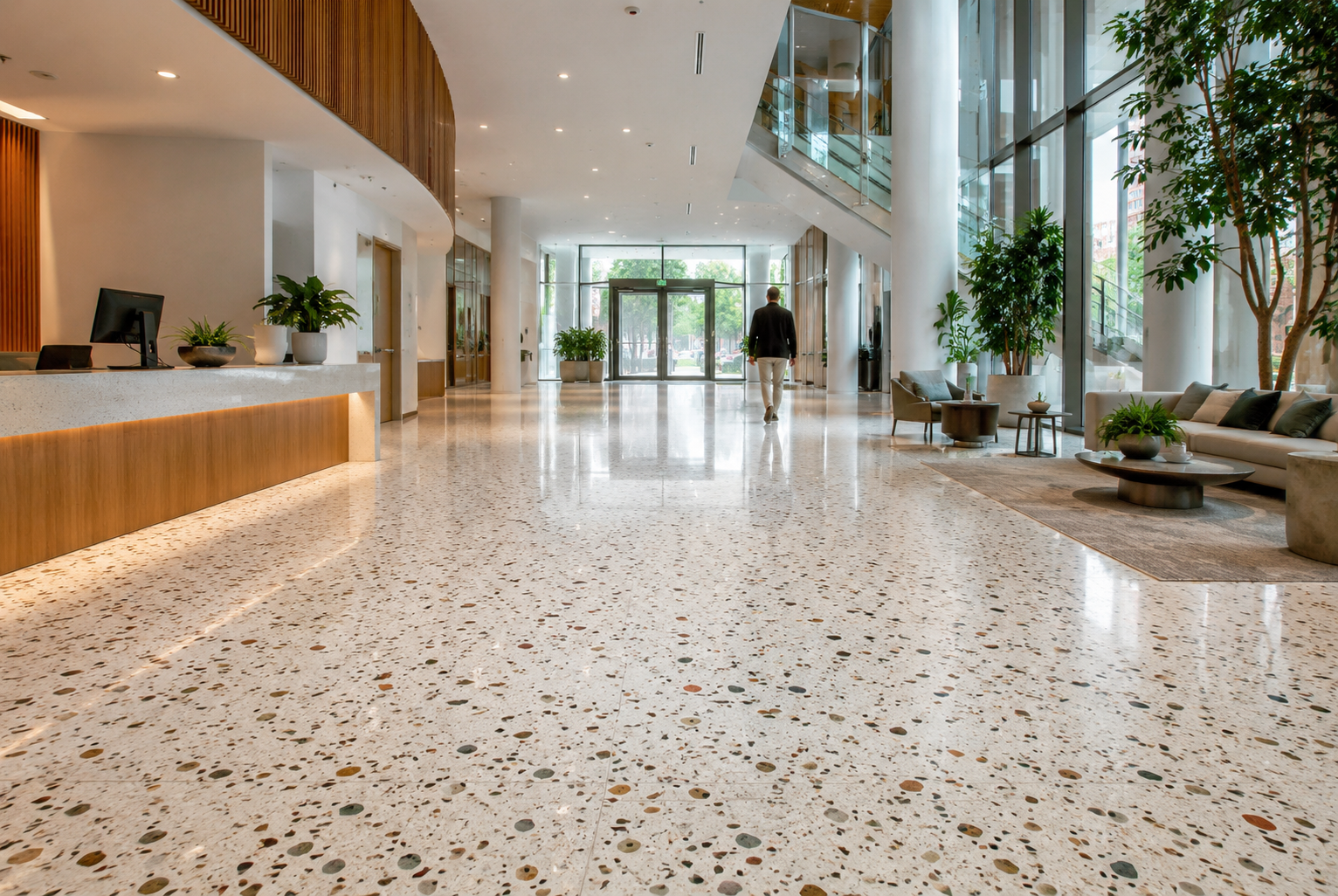
Flooring in commercial and institutional buildings handles more stress than many people realize. Constant foot traffic, rolling equipment, moisture exposure, and daily wear can quickly damage standard flooring systems. Once cracks, stains, or surface damage begin appearing, maintenance costs rise and the overall appearance of the facility starts declining. Many businesses and property managers rely on PPI Flooring because choosing the right flooring system helps improve durability, reduce repairs, and maintain long-term performance.
Resinous matrix terrazzo flooring has become one of the most trusted solutions for facilities that require durability, longevity, and visual consistency. This flooring system combines decorative aggregates with high-performance resin binders to create a seamless surface capable of handling demanding environments. From airports and hospitals to schools and commercial buildings, resinous matrix terrazzo flooring delivers long-term strength while maintaining a clean and professional appearance.
Understanding Resinous Matrix Terrazzo Flooring
Resinous matrix terrazzo flooring is a seamless flooring system created by combining decorative aggregates such as marble, glass, or quartz with resin binders like epoxy or polyurethane. Once installed, the surface is ground and polished to create a smooth and durable finish. Unlike traditional terrazzo systems that use cement binders, resinous matrix terrazzo uses advanced resin technology for improved flexibility and performance.
This flooring system is widely used in commercial and institutional environments because it offers both durability and design flexibility. The seamless finish reduces weak points where damage typically occurs, while the resin binder provides strong resistance to wear, stains, and impact. Facilities looking for flooring that balances performance and appearance often choose resinous matrix terrazzo flooring for long-term reliability.
Key Components of Resinous Matrix Terrazzo Flooring
- Resin binders for flexibility and adhesion
- Decorative aggregates like marble or glass
- Seamless and polished surface finish
- Strong substrate bonding system
- Durable wear-resistant top layer
Why Is Resinous Matrix Terrazzo Flooring So Durable?
One of the biggest reasons resinous matrix terrazzo flooring performs so well is because of its seamless structure and resin-based composition. Traditional flooring systems often crack or separate under heavy traffic because they contain joints and weak connection points. Resinous terrazzo minimizes these issues by creating a continuous surface with strong adhesion to the substrate.
The resin matrix also improves flexibility compared to cement-based flooring systems. This flexibility helps the floor absorb stress from foot traffic, rolling loads, and minor substrate movement without cracking easily. Facilities that require long-term flooring performance often choose resinous terrazzo because it maintains structural integrity for decades with proper care and flooring maintenance.
What Types of Facilities Use Resinous Matrix Terrazzo Flooring?
Many commercial and institutional facilities require flooring systems that can handle continuous use while maintaining a professional appearance. Standard flooring materials often wear down quickly in these environments, leading to frequent repairs and operational disruptions.
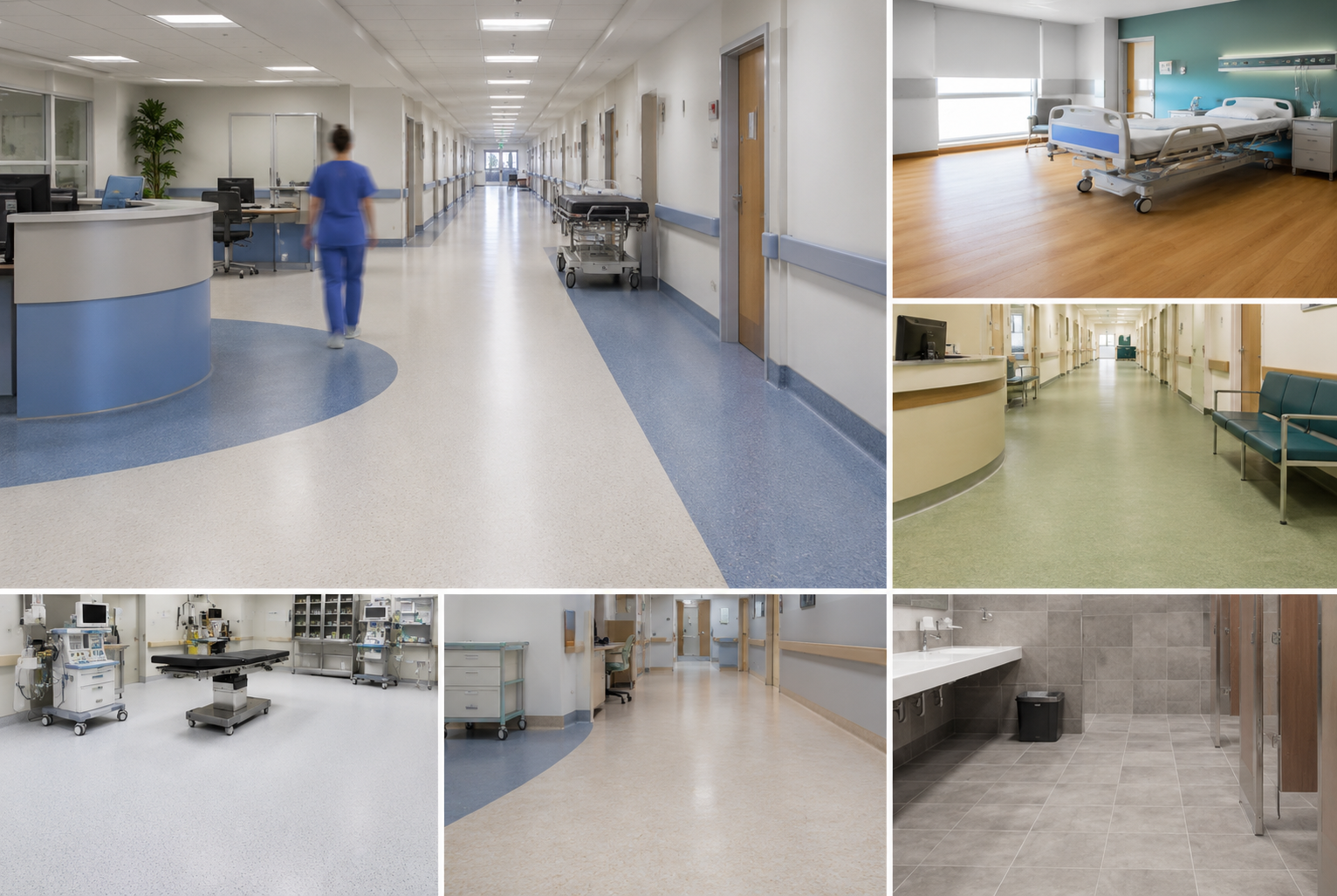
Resinous matrix terrazzo flooring is commonly installed in airports, healthcare facilities, schools, universities, office buildings, retail centers, and government facilities. These spaces benefit from the flooring system’s durability, stain resistance, and low maintenance requirements. Businesses that need long-lasting surfaces with minimal downtime often turn to resinous terrazzo flooring for dependable performance.
Common Applications for Resinous Matrix Terrazzo Flooring
- Airports and transportation hubs
- Healthcare and medical facilities
- Educational institutions
- Commercial office buildings
- Retail and shopping centers
- Government and civic buildings
How Does Resinous Matrix Terrazzo Handle Heavy Foot Traffic?
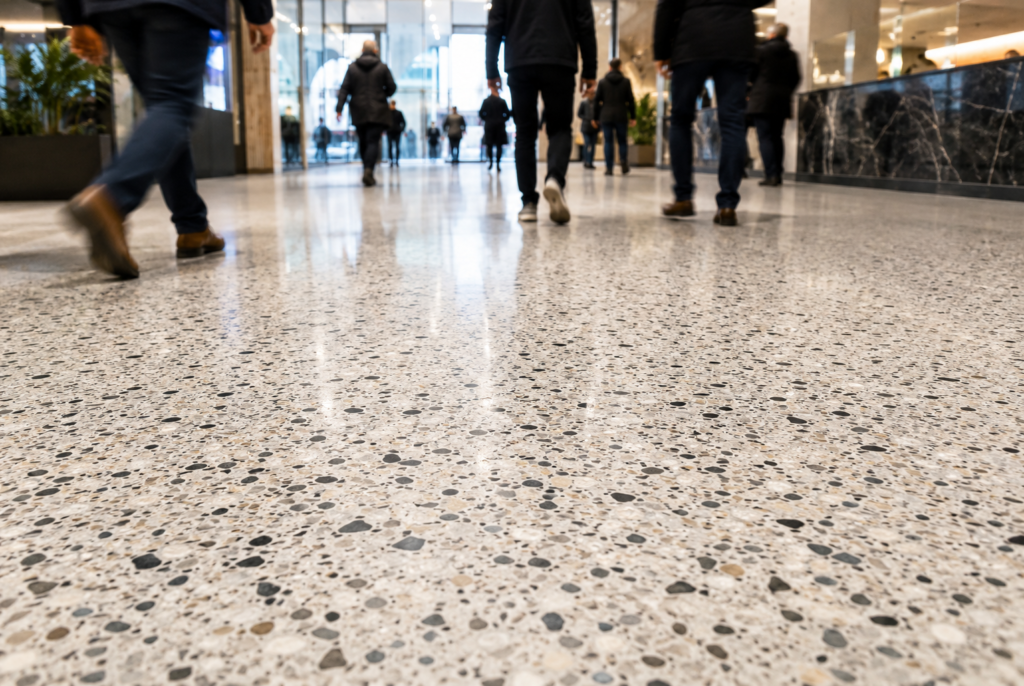
High-traffic environments place enormous pressure on flooring systems every day. Constant movement from pedestrians, rolling carts, wheelchairs, and maintenance equipment gradually wears down weaker surfaces. Facilities exposed to nonstop traffic need flooring systems capable of handling long-term operational stress without deteriorating quickly.
Resinous matrix terrazzo flooring performs exceptionally well in high-traffic environments because of its dense and durable construction. The polished surface resists abrasion while maintaining structural integrity under continuous use. Its seamless design also reduces areas where cracking or separation commonly develops, helping facilities maintain safer and more efficient environments.
Why Is Seamless Flooring Important in Commercial Spaces?
Seamless flooring systems offer several advantages compared to traditional flooring materials with grout lines or joints. Cracks and seams allow dirt, moisture, and bacteria to collect, making cleaning more difficult and increasing long-term maintenance concerns.
Resinous matrix terrazzo flooring creates a continuous surface that supports hygiene and easier maintenance. The seamless finish improves cleaning efficiency while reducing surface weak points that commonly fail under traffic or moisture exposure. Facilities that prioritize cleanliness and operational efficiency often prefer seamless flooring systems because they simplify maintenance routines.
Benefits of Seamless Terrazzo Flooring
- Easier cleaning and sanitation
- Reduced moisture penetration
- Fewer weak points and cracks
- Improved surface longevity
- Better appearance consistency
How Does Resinous Matrix Terrazzo Compare to Traditional Terrazzo?
Traditional terrazzo flooring typically uses cement binders, while resinous matrix terrazzo relies on resin-based binders such as epoxy or polyurethane. Both systems offer durability, but resinous terrazzo generally provides greater flexibility, faster installation, and improved stain resistance.
Cement-based terrazzo may perform well in certain environments, but it is often heavier and more prone to cracking under substrate movement. Resinous matrix terrazzo flooring offers stronger adhesion and better resistance to impact, making it a preferred choice for many modern commercial facilities.
Resinous Matrix Terrazzo vs Traditional Terrazzo
| Feature | Resinous Matrix Terrazzo | Traditional Cement Terrazzo |
| Binder Type | Resin-based | Cement-based |
| Flexibility | Higher | Lower |
| Installation Time | Faster | Slower |
| Stain Resistance | Strong | Moderate |
| Weight | Lighter | Heavier |
| Maintenance | Lower | Moderate |
Does Resinous Matrix Terrazzo Flooring Resist Stains and Chemicals?
Commercial and institutional facilities frequently deal with spills, cleaning chemicals, and moisture exposure. Flooring systems that absorb stains or weaken under chemical exposure often require expensive repairs and constant maintenance.
Resinous matrix terrazzo flooring performs well because the resin binders help create a dense and non-porous surface. This improves stain resistance and protects against many cleaning products and chemicals used in commercial facilities. Businesses that require clean and professional-looking environments often prefer terrazzo flooring because it maintains appearance over long periods of use.
How Does Installation Affect Long-Term Performance?
Even the most durable flooring systems can fail if installation is not completed properly. Surface preparation, substrate condition, and installation quality all directly affect flooring performance and lifespan. Poor installation often leads to weak adhesion, cracking, or uneven surfaces.
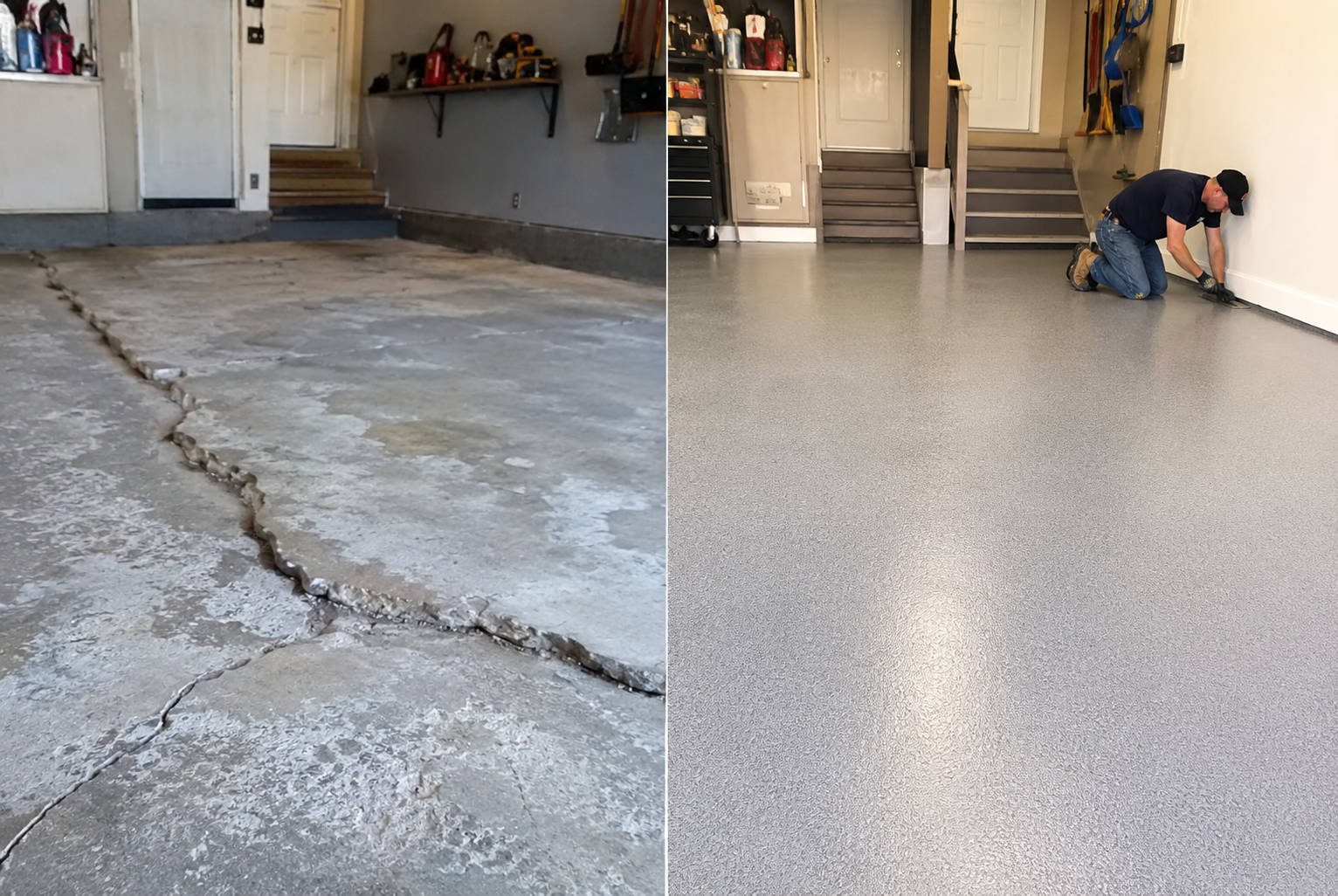
Professional installation begins with preparing the substrate through methods such as grinding or shot blasting to ensure strong bonding. Once preparation is complete, the resinous terrazzo system is applied carefully and polished to create a seamless finish. Businesses that contact us for professional installation support often achieve better durability and fewer long-term flooring issues.
Important Installation Steps
- Surface evaluation and preparation
- Moisture testing and repairs
- Resin binder application
- Aggregate distribution and leveling
- Grinding and polishing process
Is Resinous Matrix Terrazzo Flooring Low Maintenance?
Many facilities look for flooring systems that reduce maintenance requirements while maintaining long-term durability and appearance. Frequent repairs, deep cleaning, and surface replacement can quickly increase operational expenses over time.
Resinous matrix terrazzo flooring is considered relatively low maintenance because of its seamless and non-porous surface. Routine sweeping and periodic cleaning are usually enough to maintain appearance and performance. Since the system resists staining and abrasion, facilities often experience fewer repair issues compared to traditional flooring materials.
Why Are More Commercial Facilities Choosing Resinous Matrix Terrazzo?
Modern facilities need flooring systems capable of supporting heavy traffic, easier cleaning, and long-term durability without constant repairs. Businesses are moving away from flooring systems that require frequent replacement or excessive maintenance costs.
Resinous matrix terrazzo flooring continues gaining popularity because it combines durability, design flexibility, and operational efficiency in one system. Its ability to maintain appearance and structural integrity over decades makes it a practical investment for commercial and institutional facilities focused on long-term performance.
Reasons Facilities Choose Resinous Matrix Terrazzo
- Long service life
- Durable seamless construction
- Strong stain resistance
- Easier maintenance routines
- Professional appearance retention
Conclusion
Resinous matrix terrazzo flooring is one of the most durable and dependable flooring systems available for commercial and institutional environments. Its seamless design, resin-based flexibility, and resistance to wear help facilities maintain cleaner, safer, and more efficient spaces for long-term operations.
From healthcare facilities and schools to airports and office buildings, resinous matrix terrazzo flooring provides reliable performance under demanding conditions. If your facility needs a flooring system built for durability and long-term value, contact us today to learn how PPI Flooring can help you choose the right terrazzo solution for your space.
FAQ
What is resinous matrix terrazzo flooring?
Resinous matrix terrazzo flooring is a seamless flooring system made from resin binders and decorative aggregates like marble or glass.
Why is resinous terrazzo flooring durable?
Its seamless construction and resin-based flexibility help resist cracking, abrasion, stains, and heavy foot traffic.
Where is resinous matrix terrazzo flooring commonly used?
It is commonly installed in airports, hospitals, schools, office buildings, retail spaces, and government facilities.
Is resinous terrazzo flooring easy to maintain?
Yes. Its seamless and non-porous surface makes cleaning easier and reduces long-term maintenance needs.
How long does resinous matrix terrazzo flooring last?
With proper installation and flooring maintenance, resinous matrix terrazzo flooring can last for decades in commercial environments.