
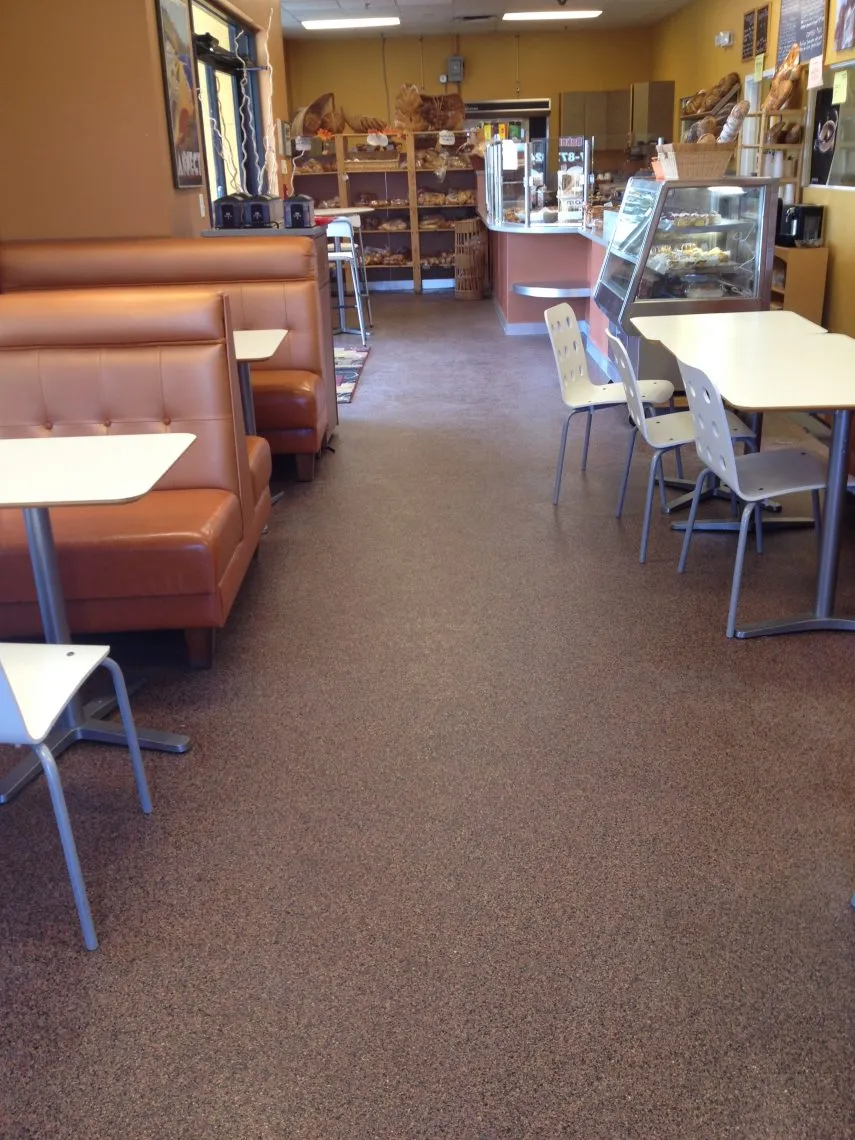
Floor safety solutions play a critical role in protecting employees, visitors, and customers from slip and fall accidents in commercial and industrial environments. Slips and falls are among the most common workplace incidents across the USA, often leading to injuries, downtime, and compliance challenges. Many of these accidents occur because floor surfaces become slick due to moisture, spills, wear, or improper surface finishes.
Businesses that rely on safe, durable flooring cannot afford to ignore these risks. Effective floor safety solutions address traction issues at the surface level while supporting long term accident prevention. By understanding how these solutions work and when to apply them, facility managers and business owners can significantly reduce hazards and create safer spaces for everyone.
How Floor Safety Solutions Reduce Workplace Accidents
Floor safety solutions reduce workplace accidents by increasing surface traction and improving surface friction where people walk, stand, or work. Slippery floors are often caused by smooth finishes, moisture buildup, or residue that lowers grip underfoot.
Well designed solutions help with:
- Slip and fall prevention in high traffic areas
- Floor traction improvement on smooth or worn surfaces
- Better control in wet area flooring safety zones
- Reduced risk of injuries from unexpected loss of footing
By improving traction, businesses lower the likelihood of slip and fall accidents and support safer daily operations across facilities.
Types of Floor Safety Solutions for High-Risk Areas
Different environments face different risks. The best floor safety solutions are selected based on how and where floors are used.
Common solutions include:
- Non-slip floor systems for busy commercial spaces
- Anti-skid flooring solutions for ramps and walkways
- Traction-enhancing treatments for smooth concrete or tile
- High-traffic floor protection in corridors and entryways
High risk areas such as kitchens, loading docks, locker rooms, and entrances benefit the most from targeted safety upgrades that focus on accident prevention flooring.
Non-Slip Floor Coatings vs Floor Treatments
Non-slip floor coatings and floor treatments are both effective, but they serve different purposes depending on the surface and usage.
Non-slip floor coatings create a durable layer on top of the existing surface. These coatings often include non-slip aggregates that increase grip while maintaining a clean appearance. They are commonly used in industrial and commercial environments that require long lasting performance, such as those served by experienced Commercial Flooring Contractors Orlando who specialize in high-traffic safety solutions.
Floor treatments, on the other hand, chemically alter the surface to improve traction without adding a visible coating. These treatments are often preferred in spaces where appearance must remain unchanged.
Choosing between coatings and treatments depends on traffic levels, exposure to moisture, and desired durability.
How to Choose the Right Floor Safety Solution for Your Business
Selecting the right floor safety solution starts with understanding your environment and risk factors. Not all floors require the same approach.
Important factors to consider include:
- Type of flooring material
- Exposure to water, oils, or chemicals
- Foot traffic volume
- Industry specific safety requirements
Workplace safety flooring should align with daily operations while supporting long term slip and fall prevention. Consulting professionals help ensure the solution matches both performance and compliance needs.
How Floor Inspections Improve Safety Compliance
Regular floor inspections are essential for maintaining safety standards. Over time, even the best safety systems can wear down due to use and environmental exposure.
Floor inspections help by:
- Identifying worn or damaged safety surfaces
- Monitoring surface friction levels through testing
- Ensuring compliance with industrial safety standards
- Preventing hazards before accidents occur
Inspections also support facility management teams by documenting safety efforts and helping businesses stay aligned with OSHA related expectations.
When to Upgrade Your Existing Floor Safety Solutions
Floor safety solutions should be upgraded when performance no longer meets safety expectations. Ignoring worn surfaces increases the risk of accidents and liability.
Signs it may be time to upgrade include:
- Increased slip incidents or near misses
- Visible wear on safety coatings or treatments
- Changes in facility use or traffic patterns
- New compliance or safety requirements
Upgrading at the right time helps maintain consistent protection and avoids disruptions caused by preventable incidents.
Floor Safety Solutions for Wet and Slippery Areas
Wet areas present some of the highest risks for slips and falls. Kitchens, restrooms, pool decks, and manufacturing areas often require specialized attention.
Effective wet area flooring safety solutions include:
- Non-slip epoxy floors designed for moisture exposure
- Surface treatments that enhance grip when wet
- Textured finishes that reduce standing water hazards
These solutions are designed to maintain traction even when floors are exposed to liquids, supporting commercial slip prevention efforts. Regular assessments through professional Flooring Inspection Services help identify potential issues early, ensuring ongoing compliance and reduced risk.
The Role of Surface Friction Testing in Floor Safety
Surface friction testing measures how resistant a floor is to slipping. This testing helps determine whether a surface meets safety thresholds.
Benefits of friction testing include:
- Objective measurement of slip resistance
- Identification of high risk zones
- Validation of floor safety improvements
Testing supports informed decisions and helps businesses demonstrate proactive safety management.
How Floor Safety Solutions Support OSHA Compliance
While regulations vary by industry, floor safety solutions help businesses align with OSHA related safety expectations. Slip and fall prevention is a core component of workplace safety planning.
Proper solutions help businesses:
- Reduce injury risks
- Demonstrate due diligence in safety efforts
- Support documented safety programs
Investing in accident prevention flooring is often more cost effective than dealing with injury claims and operational disruptions.
Industries That Benefit Most From Floor Safety Solutions
Many industries rely heavily on effective floor safety solutions to protect workers and visitors.
Industries that benefit include:
- Manufacturing and industrial facilities
- Warehouses and distribution centers
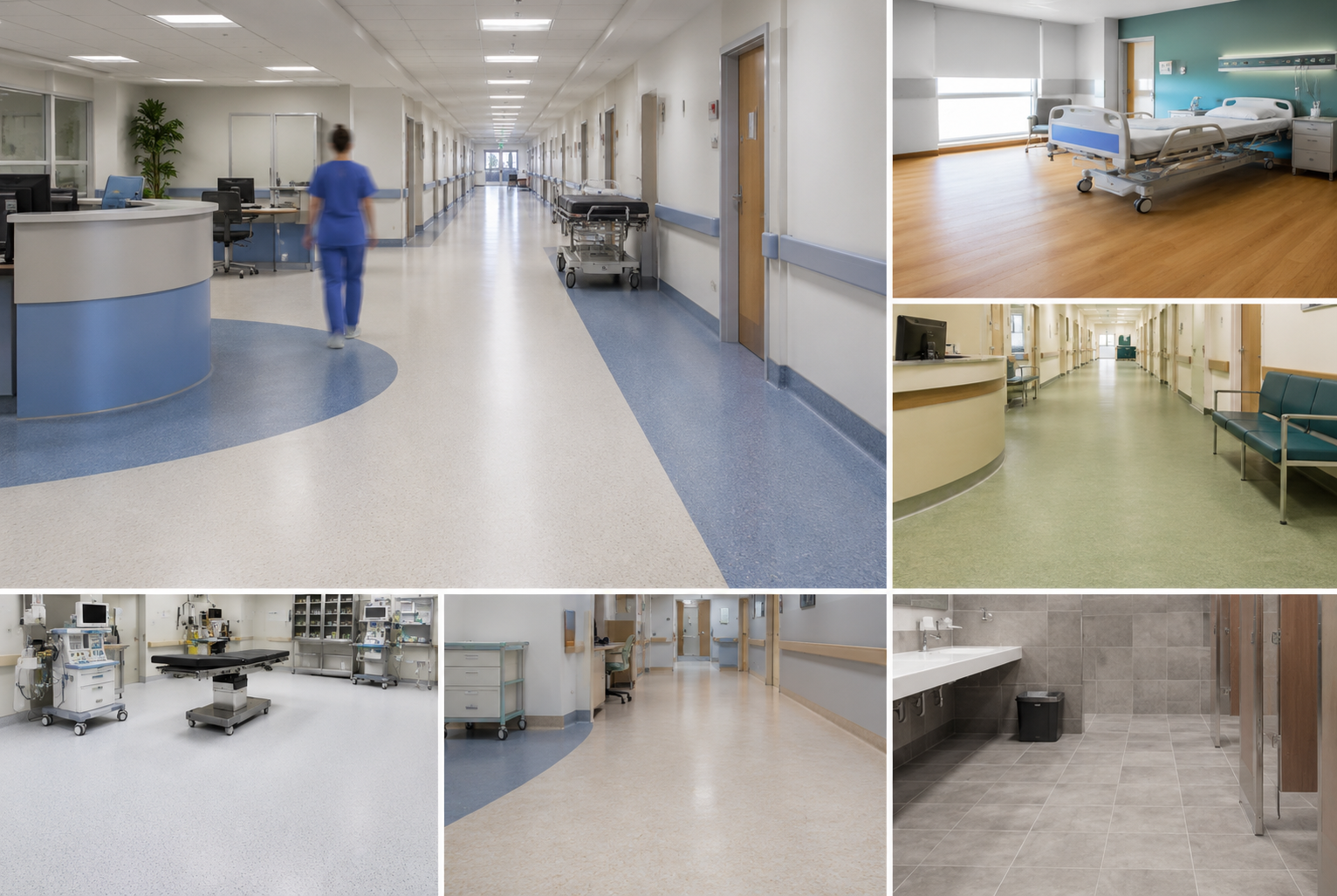
- Healthcare and medical facilities
- Retail and commercial buildings
- Hospitality and food service environments
Each industry faces unique challenges, but all share the need for reliable slip and fall prevention. When wear or damage occurs over time, turning to Top Floor Repair Services can quickly restore safety and performance without major disruptions.
Upgrading Existing Floors Without Replacement
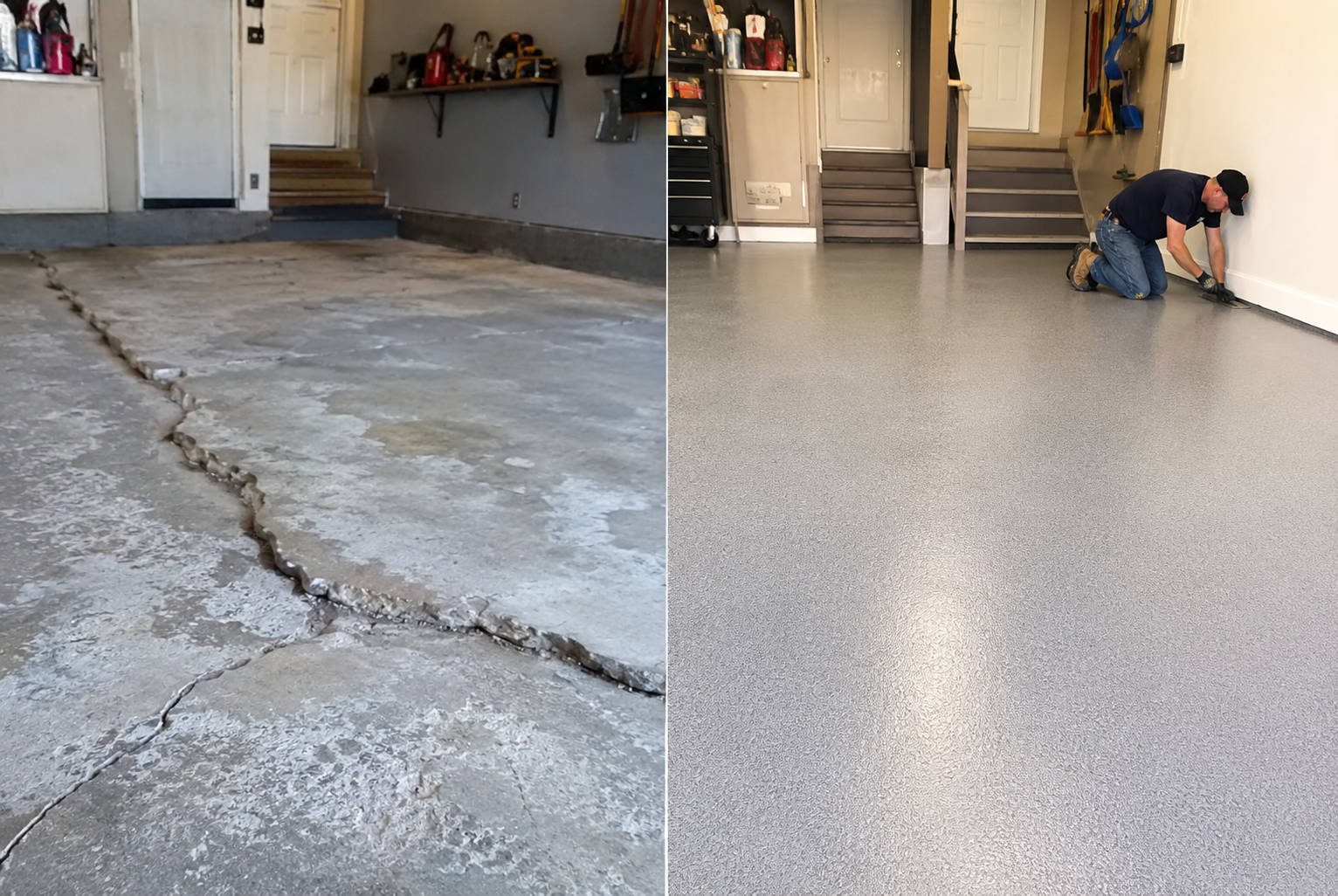
One advantage of modern floor safety solutions is that many can be applied to existing floors. Businesses do not always need to replace flooring to improve safety.
Upgrading existing surfaces can involve:
- Applying non-slip coatings
- Using traction-enhancing treatments
- Adding targeted safety zones in high risk areas
These upgrades minimize downtime while improving overall safety performance.
Long Term Value of Professional Floor Safety Solutions
Professional installation ensures floor safety solutions perform as intended. Improper application can reduce effectiveness and shorten lifespan. That’s why partnering with providers offering reliable Concrete Polishing Services alongside safety upgrades helps deliver floors that are both durable and compliant.
Professional solutions offer:
- Consistent traction performance
- Long lasting durability
- Compliance support
- Reduced maintenance issues
Businesses that work with experienced providers benefit from solutions tailored to their operational needs.
Partnering With Trusted Flooring Experts
Working with trusted experts ensures floor safety solutions are designed, installed, and maintained correctly. Companies like PPI Flooring focus on delivering solutions that improve safety while supporting operational efficiency – including specialized MMA Flooring Services for fast-curing, heavy-duty environments where downtime must be minimized.
Businesses can explore non-slip flooring solutions to understand available options and determine the best fit for their facilities. For personalized guidance, Contact Us for non slip flooring solutions to discuss specific safety needs.
Learn more about comprehensive flooring services and expertise by visiting PPI Floorings for additional resources and support.
Conclusion
Floor safety solutions are essential for preventing slips and falls in commercial and industrial environments. By improving traction, reducing hazards, and supporting safety compliance, these solutions protect people and businesses alike.Investing in the right floor safety solutions helps reduce accidents, improve confidence in the workplace, and support long term operational success. If your facility is ready to improve safety and reduce risk, Contact Us for non slip flooring solutions to take the next step toward a safer environment.
FAQ
1. What are floor safety solutions and how do they work?
Floor safety solutions improve traction and surface friction to reduce slip risks on walking surfaces.
2. Why are floor safety solutions important for preventing slips and falls?
They reduce slip and fall accidents by addressing slick surfaces and improving grip in high risk areas.
3. Which floor safety solutions are best for commercial buildings?
Non-slip floor systems, epoxy flooring systems, and traction-enhancing treatments are commonly used in commercial spaces.
4. What is the best floor safety solution for wet and slippery areas?
Non-slip epoxy floors and treatments designed for wet conditions provide reliable protection.
5. How do floor safety solutions help businesses meet OSHA safety standards?
They support slip and fall prevention efforts and demonstrate proactive workplace safety management.
6. Can existing floors be upgraded with floor safety solutions?
Yes, many solutions can be applied to existing floors without full replacement.
7. How often should floor safety solutions be inspected or maintained?
Regular inspections are recommended, especially in high traffic or wet areas.
8. What industries benefit the most from floor safety solutions?
Manufacturing, healthcare, retail, hospitality, and warehouses benefit significantly.
9. Are floor safety solutions cost effective compared to accident liabilities?
Yes, preventing accidents is often far more cost effective than managing injury claims.
10. Who should install professional floor safety solutions for best results?
Experienced flooring professionals ensure proper application and long term performance.