
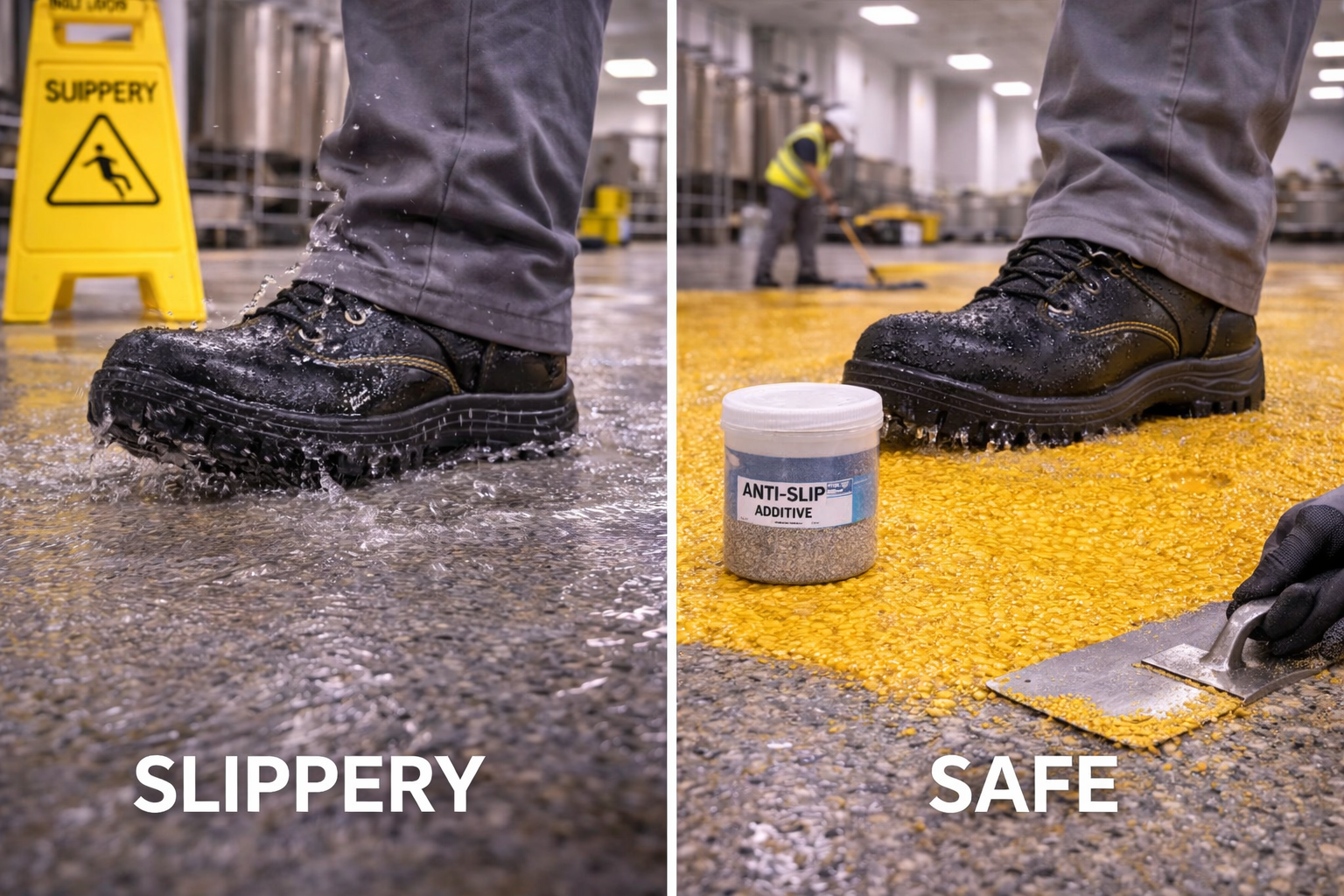
Is epoxy flooring slippery is one of the most common questions business owners and facility managers ask before choosing this popular flooring option. Epoxy floors are widely used in warehouses, factories, hospitals, retail spaces, and commercial buildings across the USA because of their durability and clean appearance. However, safety concerns often arise when people see a smooth, glossy surface and assume it will lead to slip and fall accidents.
The reality is more nuanced. Epoxy flooring can be slippery under certain conditions, but it does not have to be unsafe. When designed and installed correctly, epoxy floors can offer excellent traction and support slip and fall prevention efforts. Understanding what makes epoxy flooring slippery and how to improve its safety helps businesses protect employees, customers, and visitors.
Is Epoxy Flooring Slippery in Real-World Conditions?
Is epoxy flooring slippery in real-world conditions depending on how the floor is finished and how the space is used. A smooth epoxy surface may feel slick when wet, especially in areas exposed to water, oils, or cleaning solutions.
In dry environments with light foot traffic, epoxy flooring often performs well without safety issues. Problems usually arise in commercial spaces where spills, moisture, or dust are common. These conditions reduce surface friction and increase slip risk if the floor is not treated properly. Resin Flooring Solutions with built-in anti-slip aggregates or textured finishes address these challenges effectively, helping maintain safer surfaces even under demanding conditions.
This is why epoxy floor safety should always be evaluated based on real usage, not just appearance.
How Surface Finish Affects Epoxy Floor Safety
Surface finish plays a major role in determining whether epoxy flooring becomes slippery. High-gloss finishes look clean and professional, but they may reduce traction if left untreated.
Key surface finish factors include:
- Smooth finishes that reduce grip when wet
- Textured epoxy finishes that increase traction
- Matte or satin finishes that balance appearance and safety
Choosing the right finish helps align epoxy flooring with workplace safety goals. In high traffic or wet areas, textured finishes are often preferred for better traction.
What Makes Epoxy Flooring Slippery When Wet?
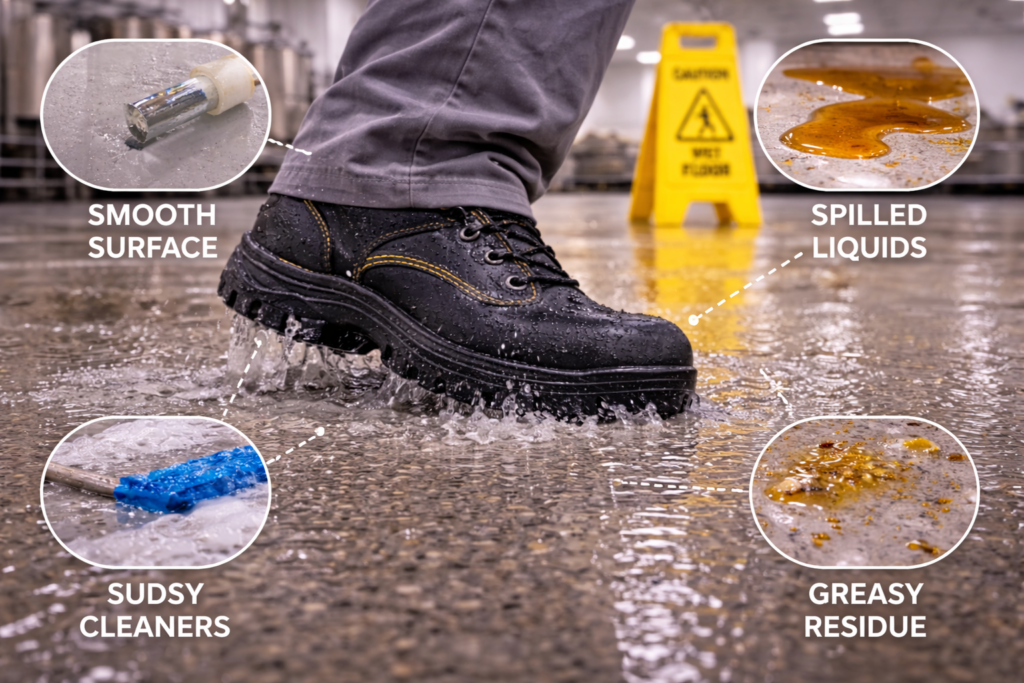
Slippery epoxy floors are most often the result of moisture interacting with smooth surfaces. Water, oils, grease, and even cleaning residue can create a slick layer that reduces friction.
Common causes include:
- Spills in production or kitchen areas
- Condensation in temperature controlled spaces
- Improper cleaning methods
- Lack of floor traction solutions
Understanding these triggers helps businesses take preventive action rather than reacting after an incident occurs.
How to Make Epoxy Flooring Less Slippery
If you are concerned about epoxy flooring safety, there are proven ways to make epoxy floors less slippery without sacrificing durability.
Effective methods include:
- Adding non-slip aggregates to the epoxy coating
- Applying textured epoxy finishes
- Using safety flooring systems designed for traction
- Conducting regular floor safety audits
These solutions improve grip and reduce slip risks, even in wet or high traffic areas.
Best Anti-Slip Additives for Epoxy Flooring
Anti-slip additives are one of the most effective ways to improve epoxy floor safety. These materials are mixed into the epoxy or broadcast onto the surface during installation.
Common non-slip aggregates include:
- Silica sand
- Aluminum oxide
- Polymer grit
These additives create microscopic texture that enhances traction. When applied correctly, they support slip and fall prevention while maintaining a clean and professional appearance.
Textured vs Smooth Epoxy Flooring: Safety Comparison
Comparing textured epoxy finishes and smooth epoxy surfaces highlights why texture matters for safety.
Smooth epoxy floors offer:
- Easy cleaning
- High gloss appearance
- Lower friction when wet
Textured epoxy finishes provide:
- Improved grip
- Better performance in wet areas
- Increased safety in high traffic zones
For commercial epoxy flooring safety, textured options are often the better choice, especially in environments where spills are common.
Are Epoxy Floors Safe for Commercial Spaces?
Epoxy floors are widely used in commercial spaces because they can be customized for safety. When installed with proper traction enhancements- or restored through Commercial Floor Repair to fix wear and restore grip- epoxy floors meet the demands of busy environments reliably over time.
Industries that commonly use epoxy flooring include:
- Warehouses and distribution centers
- Manufacturing facilities
- Healthcare and laboratories
- Retail and hospitality spaces
With the right design, epoxy flooring supports industrial safety standard expectations and risk management strategies.
How Epoxy Flooring Supports Slip and Fall Prevention
Slip and fall prevention is not just about cleaning spills quickly. It requires addressing the surface itself.
Epoxy flooring supports prevention by:
- Allowing traction enhancements to be built into the surface
- Providing consistent performance across large areas
- Supporting accident liability prevention efforts
When combined with proper maintenance, epoxy floors become a reliable safety solution rather than a risk.
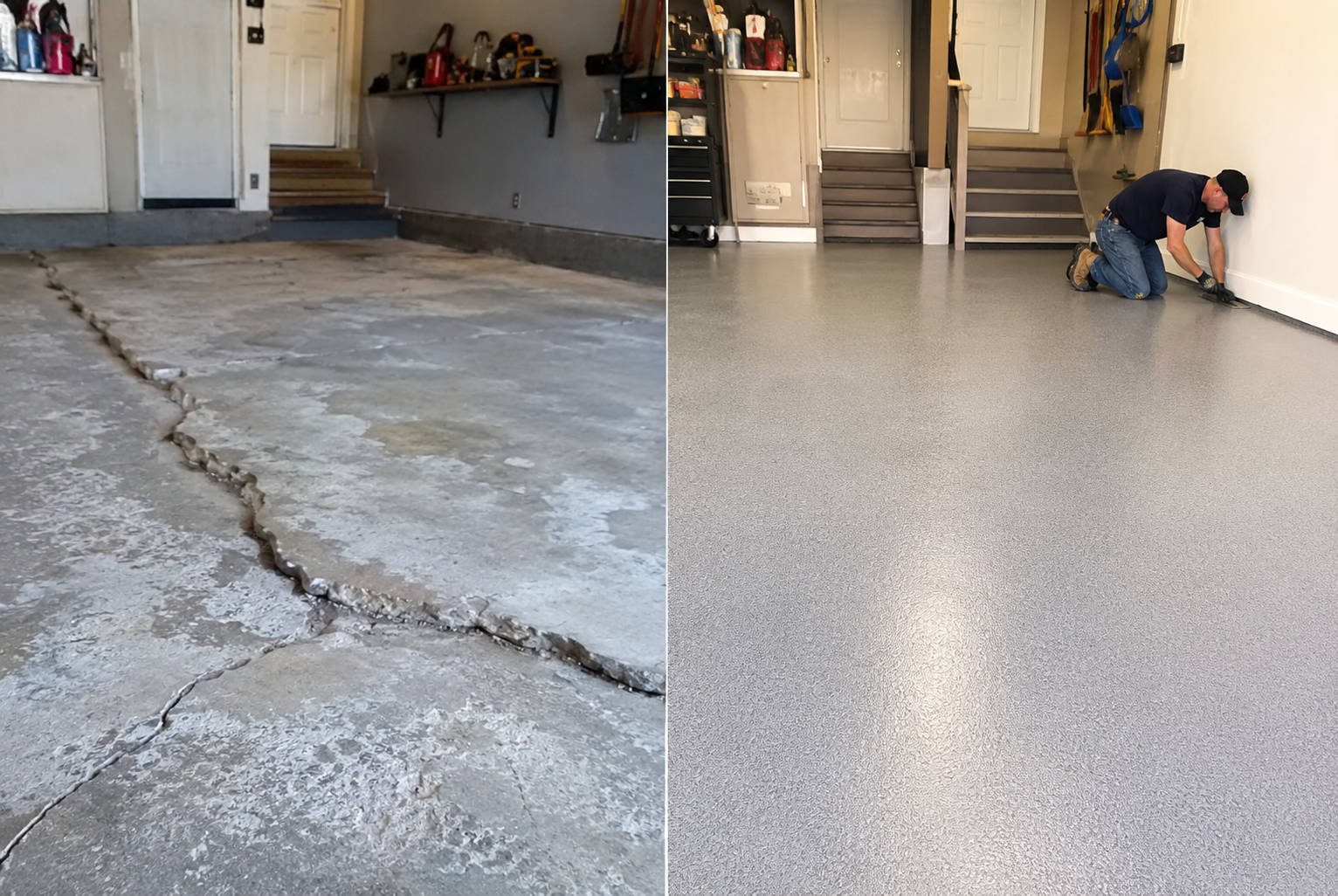
Can Existing Epoxy Floors Be Made Safer?
Yes, existing epoxy floors can often be upgraded without full replacement. This is important for businesses looking to improve safety without major downtime.
Upgrade options include:
- Applying anti-slip coatings
- Adding textured overlays
- Conducting floor safety audits to identify risk zones
These upgrades extend the life of existing floors while improving safety performance.
How Often Should Epoxy Floors Be Inspected for Safety?
Regular inspections are essential to maintain epoxy floor safety. Over time, wear can reduce texture and traction, especially in high traffic areas.
Inspection best practices include:
- Visual checks for worn surfaces
- Monitoring slip incidents or near misses
- Periodic friction testing
- Reviewing cleaning methods
Routine inspections support proactive safety management and reduce accident risks.
Common Mistakes That Increase Epoxy Floor Slipperiness
Some safety issues are caused by avoidable mistakes rather than the flooring itself.
Common mistakes include:
- Choosing appearance over function
- Skipping non-slip additives
- Using improper cleaning products
- Ignoring wear and tear
Avoiding these errors helps epoxy flooring perform safely over the long term.
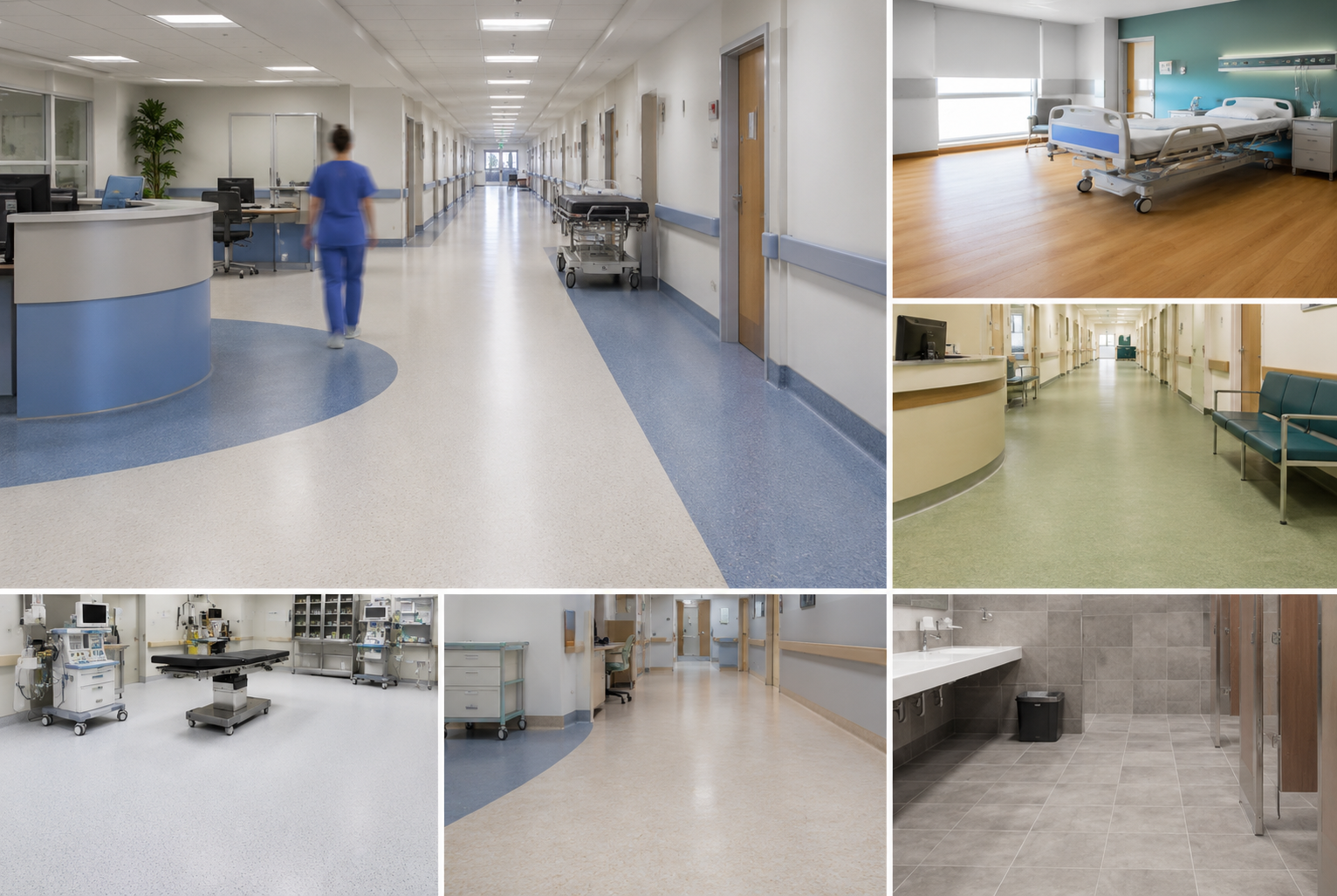
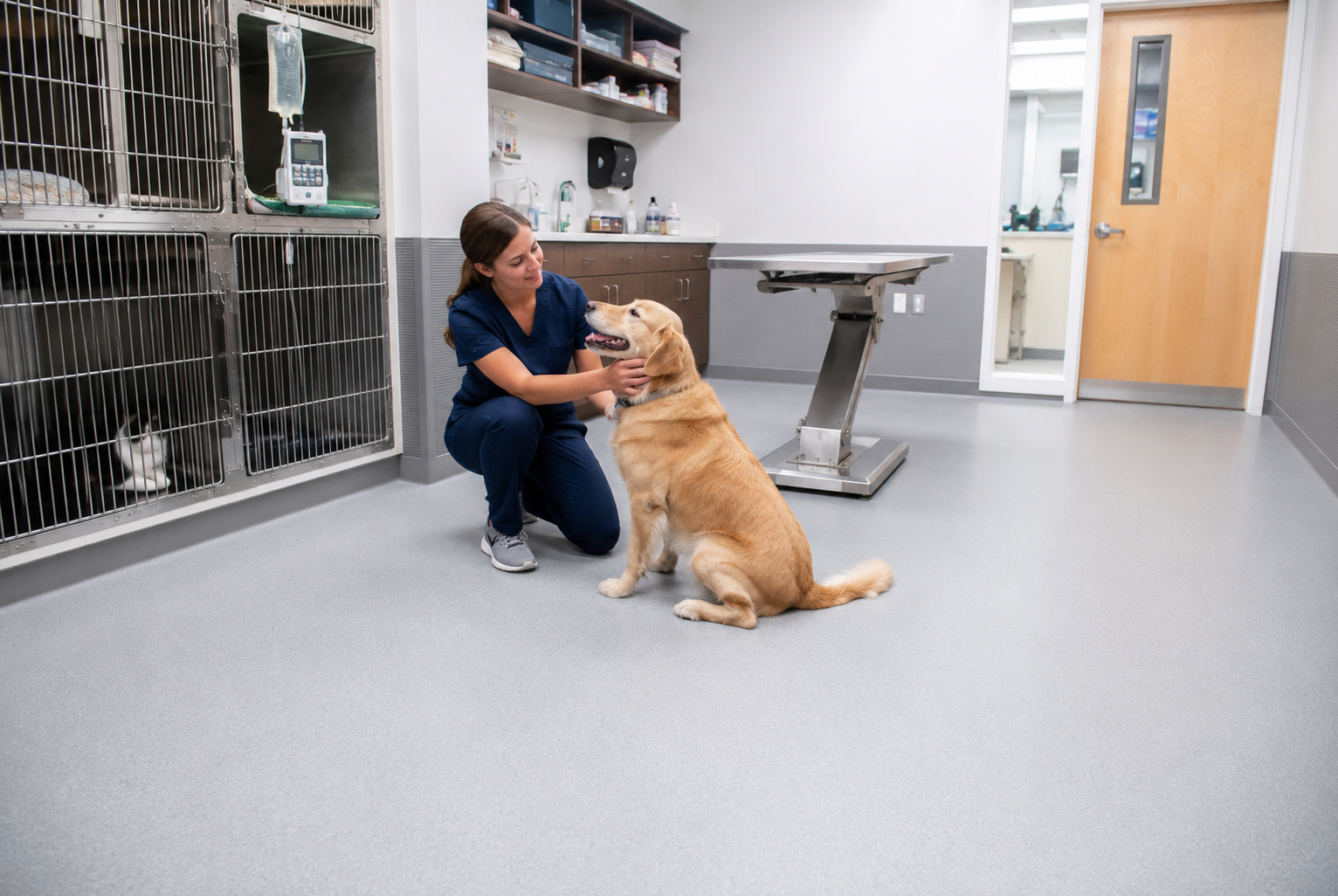
Is Epoxy Flooring Safe for Healthcare and Industrial Environments?
In healthcare and industrial settings, safety requirements are high. Epoxy flooring is often chosen because it can be tailored to meet these demands.
Textured epoxy systems help maintain traction while supporting hygiene and durability. This balance makes epoxy flooring suitable for hospitals, labs, and factories when designed with safety in mind. Consistent Flooring Maintenance Services further preserve the textured surface and anti-slip properties, ensuring long-term performance and compliance.
Why Professional Installation Matters for Epoxy Floor Safety
Professional installation ensures epoxy flooring performs as intended. Poor application can lead to uneven surfaces, inconsistent traction, and reduced lifespan.
Working with experienced providers like PPI Flooring helps ensure epoxy floor safety solutions are correctly selected and installed
Businesses can connect with professional epoxy flooring experts to evaluate safety needs and choose the right system. For tailored guidance, Contact professional epoxy flooring experts to discuss your space and usage requirements. Learn more about epoxy systems and safety focused installations through PPI Floorings.
Conclusion
Is epoxy flooring slippery depends entirely on how it is designed, finished, and maintained. While smooth epoxy floors can become slippery under certain conditions, modern solutions make it possible to create epoxy floors that are safe, durable, and reliable.
By using textured finishes, non-slip aggregates, and professional installation, businesses can reduce slip risks and support safer work environments. If you are evaluating epoxy flooring or upgrading an existing surface, Contact professional epoxy flooring experts to ensure your flooring supports safety, performance, and long term value. Understanding whether epoxy flooring is slippery helps businesses make smarter, safer decisions.
FAQ
1. Is epoxy flooring slippery in commercial environments?
Epoxy flooring can be slippery if smooth and untreated, especially when wet. Proper traction solutions significantly reduce this risk.
2. What makes epoxy flooring slippery when wet?
Moisture, oils, and smooth finishes reduce surface friction, increasing slip risk.
3. How can epoxy flooring be made safer for employees and customers?
Adding non-slip aggregates and using textured epoxy finishes improves traction and safety.
4. Are non-slip additives effective for epoxy floors?
Yes, non-slip aggregates are highly effective at increasing grip and reducing slip hazards.
5. Is epoxy flooring safe for warehouses and factories?
When designed with traction in mind, epoxy flooring is safe and widely used in industrial settings.
6. Does epoxy flooring meet OSHA slip-resistance standards?
Epoxy flooring can support OSHA expectations when proper safety measures are implemented.
7. Can existing epoxy floors be upgraded to be slip-resistant?
Yes, many existing epoxy floors can be enhanced with anti-slip treatments.
8. How often should epoxy floors be inspected for safety?
Regular inspections are recommended, especially in high traffic or wet areas.
9. Is epoxy flooring safe for hospitals and healthcare facilities?
Textured epoxy systems are commonly used in healthcare environments due to safety and hygiene benefits.
10. Who should install epoxy flooring to ensure maximum safety?
Experienced professional flooring contractors ensure proper installation and long term safety performance.