
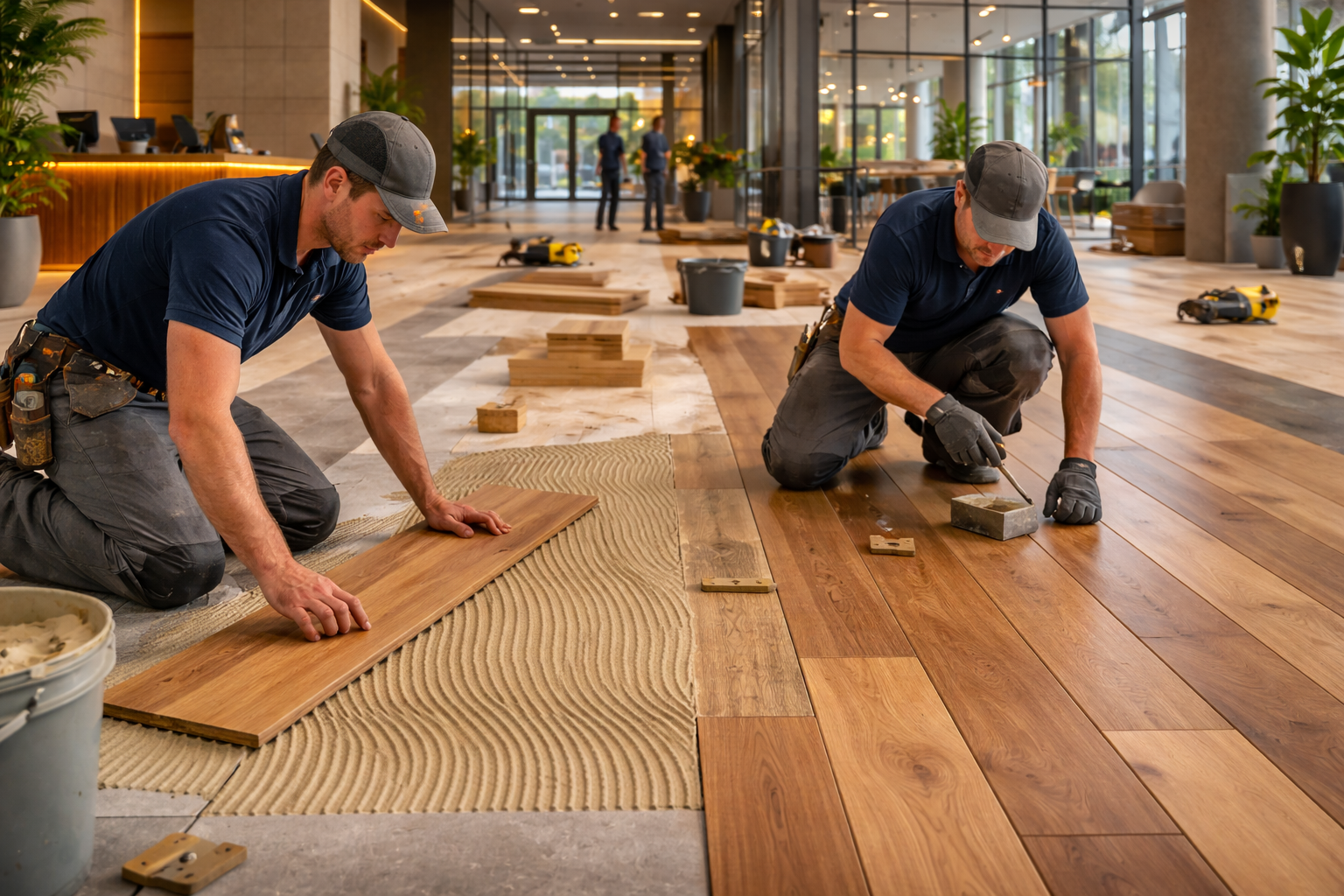
The foundation of a safe, productive, and visually appealing business environment begins right beneath your feet. For any facility, the floor is the most used and abused asset, making the quality of its setup vital for daily operations. Proper commercial floor installation does more than just place a surface; it ensures long-term performance and maximizes the return on investment for the building owner.
Investing in professional commercial floor installation prevents premature failure and costly repairs. When done correctly, it enhances the structural integrity of the facility and creates a seamless experience for employees and clients alike. This guide explores how expert execution impacts the durability and functionality of modern business floors.
How Commercial Floor Installation Improves Workplace Performance
The quality of a floor directly influences workplace flooring performance by affecting acoustics, comfort, and safety. In an office setting, a level and secure floor reduces noise transfer, allowing for a quieter and more focused atmosphere. For retail store flooring solutions, the installation must be flawless to ensure a smooth walking surface that guides customers through the space without tripping hazards.
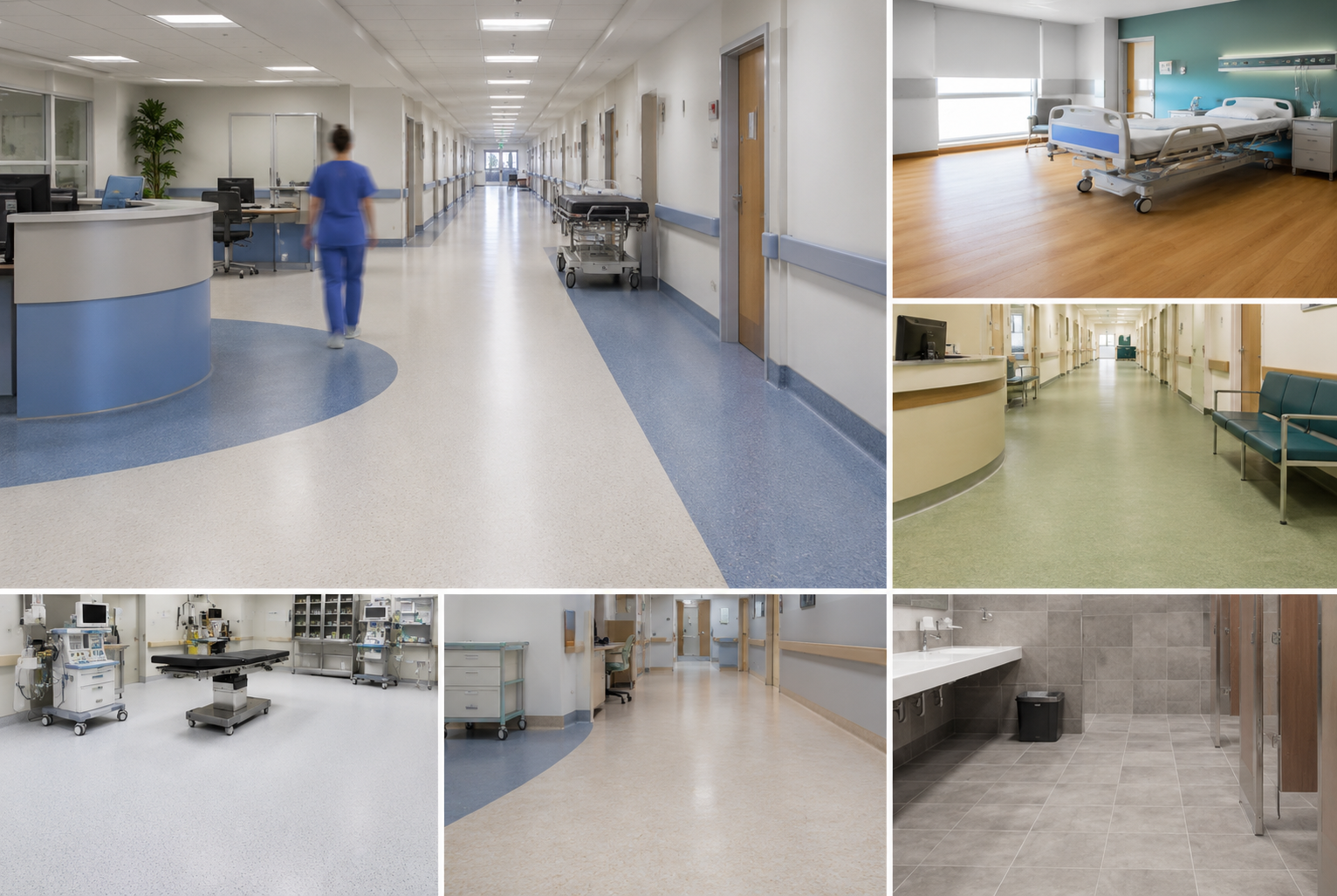
In large-scale commercial building flooring solutions, performance is measured by how well the material handles the specific needs of the industry. Whether it is a healthcare facility needing sterile joints or a tech hub requiring static control, the installation process determines if these specialized features actually function. A poorly installed floor can lead to buckling or shifting, which disrupts movement and decreases overall productivity.
Why Proper Floor Installation Extends Flooring Lifespan
Longevity begins the moment the adhesive is applied. Heavy-duty flooring installation requires precision to ensure that the material bonds perfectly with the base. If gaps are left or if the environment is not climate-controlled during the process, the material may expand or contract, leading to early degradation.
For industrial flooring installation, the stakes are even higher. These environments face chemical spills and heavy machinery. If the installation is not seamless, liquids can seep into the cracks, rotting the structure from the inside out. A professional setup creates a unified barrier that protects the floor from internal and external stressors for decades.
Commercial Flooring Types Used in Modern Business Spaces
Modern businesses choose materials based on their specific utility and aesthetic goals. Common options include:
- Laminate commercial flooring: A cost-effective choice that mimics natural wood while providing a hard-wearing top layer.
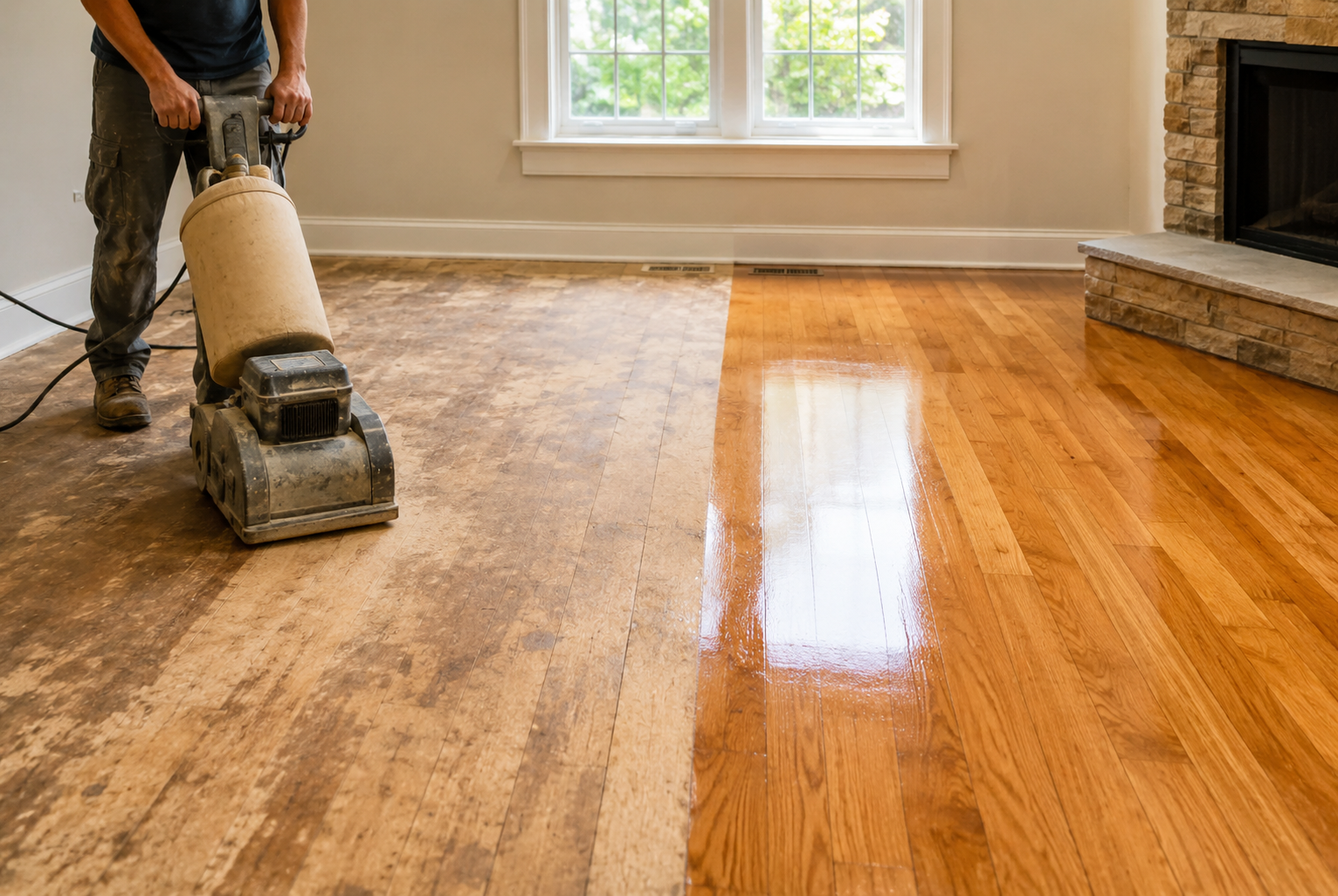
- Engineered hardwood flooring: Offers the beauty of real wood with a layered construction that resists moisture-related warping.
- Polished concrete flooring: A favorite for modern commercial interior design due to its sleek look and incredible strength.
- Industrial grade flooring materials: These include high-performance resins and reinforced vinyl designed for the most demanding environments.
How Subfloor Preparation Affects Commercial Floor Installation
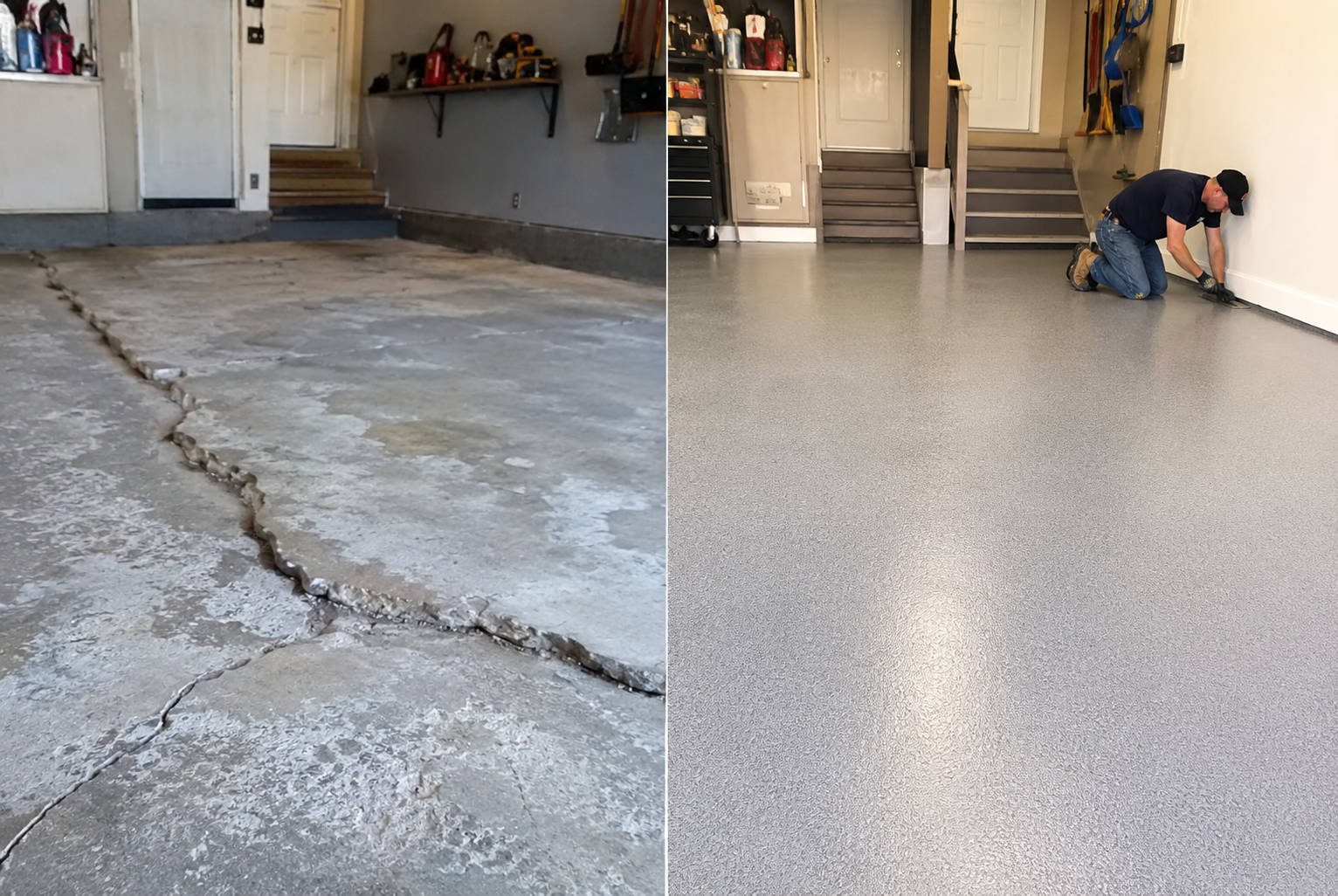
A floor is only as good as what lies beneath it. Thorough commercial subfloor preparation is the most critical step in the entire process. If the concrete subfloor is uneven, cracked, or holds too much moisture, the new flooring will eventually fail.
Installers must test for moisture levels and use self-leveling compounds to create a perfectly flat plane. Ignoring these steps leads to “telegraphing,” where imperfections in the subfloor show through the surface material. This not only looks unprofessional but also creates weak points that crack under pressure.
Why Durability Matters in Commercial Flooring Systems
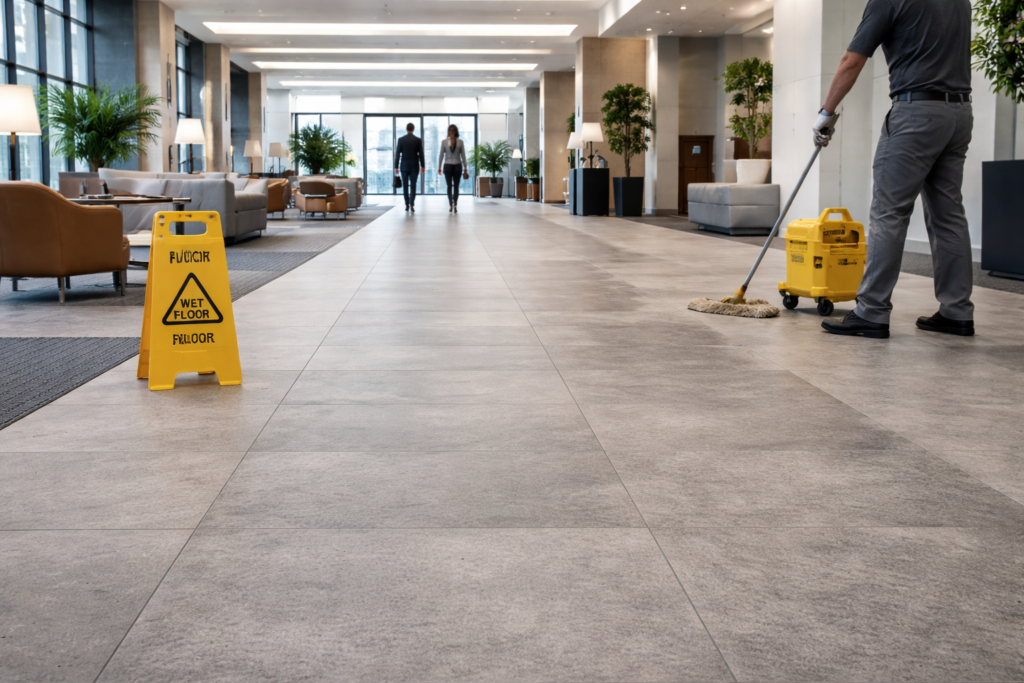
In a business setting, durability is synonymous with safety and cost savings. High-traffic commercial flooring must be able to withstand thousands of footfalls every day without showing significant wear. Beyond toughness, safety standards like the slip resistance rating are essential for liability protection.
A high slip resistance rating ensures that the floor remains safe even when wet. Professional installation ensures that slip-resistant coatings are applied evenly across the entire surface. This focus on durability reduces the frequency of floor replacements, allowing businesses to allocate their budget toward growth rather than constant facility repairs.
How High-Traffic Environments Impact Flooring Performance
High-traffic zones like lobbies, hallways, and elevators put immense strain on materials. In these areas, workplace flooring performance is tested by constant friction and weight. If the high-traffic commercial flooring is not anchored correctly, it can delaminate or “bubble,” creating dangerous obstacles.
Strategic installation involves using stronger adhesives and reinforced transition strips in these high-stress areas. By reinforcing the parts of the floor that face the most use, contractors ensure the entire system wears at a consistent rate.
How Professional Contractors Ensure Long-Lasting Flooring
Hiring professional flooring contractors is the only way to guarantee a result that meets building codes and manufacturer warranties. A professional commercial floor installation follows a strict protocol that includes site evaluation and acclimation of materials.
A qualified commercial flooring contractor understands the chemistry of different adhesives and the physics of load-bearing surfaces. They bring specialized equipment that a general handyman lacks, ensuring that every seam is tight and every corner is flush. This expertise prevents the common pitfalls that lead to floor failure within the first year.
Maintenance Practices That Extend Commercial Flooring Life
Once the floor installation is complete, the commercial floor finishing process provides the final layer of defense. This might involve high-grade waxes or specialized sealants that repel stains and scuffs.
To combat rising moisture from the ground, a moisture barrier flooring system is often integrated during the build. Long-term care involves regular cleaning with pH-neutral solutions and periodic buffing. Understanding what the lifespan of epoxy flooring is. can help managers set a realistic schedule for resealing or deep-cleaning their specific floor type.
FAQ
What is commercial floor installation?
It is the professional process of preparing, laying, and finishing flooring materials in business environments like offices, warehouses, and retail stores.
How does professional floor installation improve flooring durability?
Professionals ensure the material is correctly bonded and aligned, which prevents the shifting and cracking that leads to early wear.
What preparation is required before commercial flooring installation?
It requires cleaning the site, testing for moisture, repairing cracks in the base, and ensuring the subfloor is perfectly level.
Which flooring materials are commonly used in commercial spaces?
Popular choices include laminate, engineered hardwood, polished concrete, and luxury vinyl tiles.
How does subfloor preparation impact flooring performance?
Proper prep prevents moisture damage and ensures a flat surface, which stops the top layer from cracking or peeling.
Why is moisture control important during floor installation?
Excess moisture can destroy adhesives and cause organic materials to mold or warp, ruining the floor from below.
What installation methods are used for commercial flooring systems?
Common methods include glue-down, loose-lay, and click-lock systems, depending on the material and traffic needs.
How does commercial flooring handle high-traffic environments?
Through the use of industrial-grade flooring materials and reinforced installation techniques that distribute weight evenly.
What maintenance practices extend the life of commercial floors?
Regular sweeping, using proper cleaning agents, and applying protective finishes according to the manufacturer’s guide.
Why should businesses hire professional contractors for floor installation?
Professionals provide expert labor, ensure warranty compliance, and have the tools to handle complex commercial subfloor preparation issues.
Conclusion
The success of a business facility starts from the ground up. Quality commercial floor installation is the single most important factor in determining how long a floor will last and how well it will perform under daily pressure. By focusing on proper commercial subfloor preparation and choosing the right industrial grade flooring materials, businesses can avoid the hazards of slips and the high costs of frequent replacements.
Don’t let a poor installation compromise your safety or professional image. Understanding factors like “Does epoxy flooring become slippery?” can help you make better decisions for your unique space. If you are ready to upgrade your facility, consult with an expert to ensure your next flooring project is built for maximum performance and longevity.