
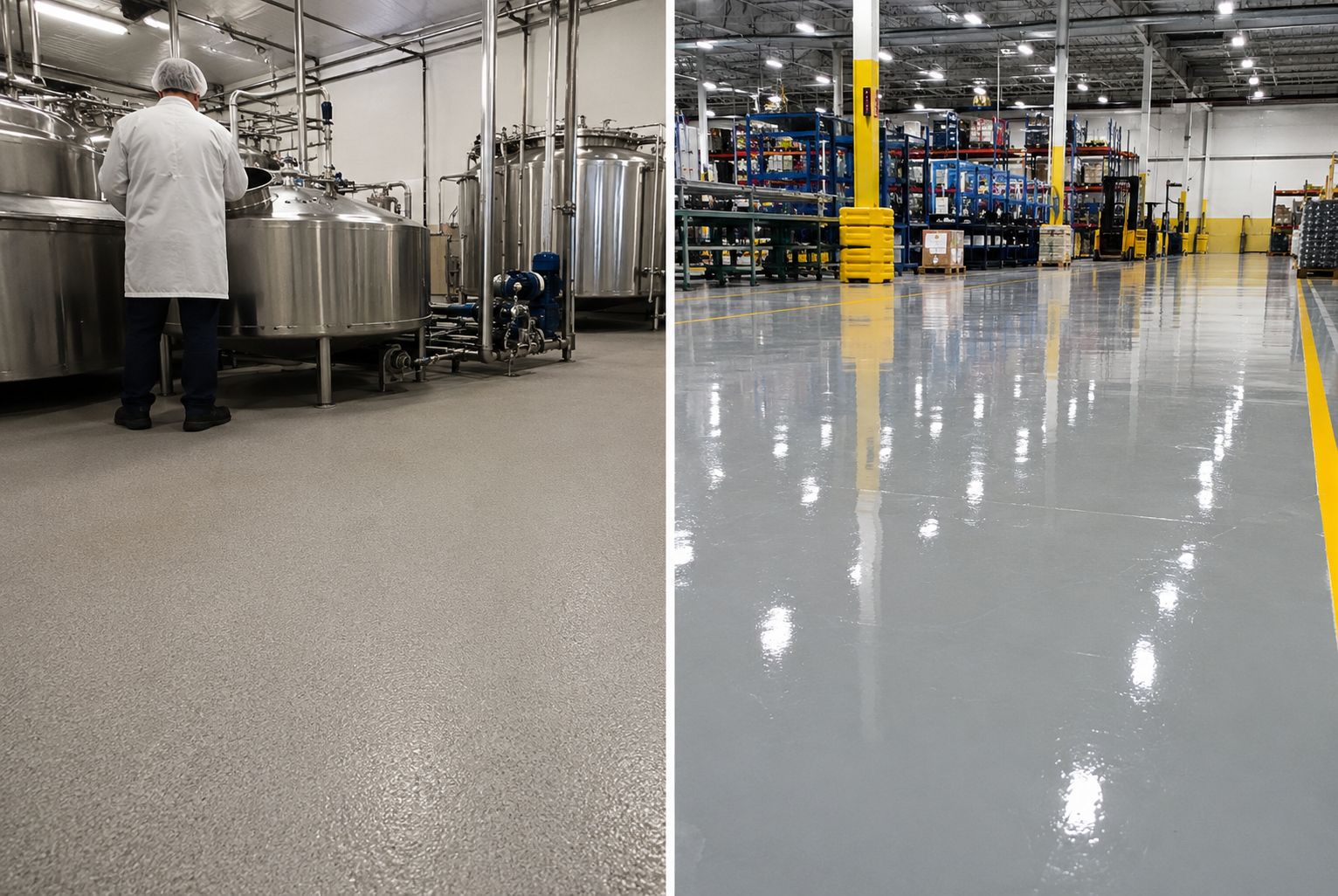
Choosing the wrong flooring system can create ongoing problems for commercial and industrial facilities. Cracking surfaces, peeling coatings, chemical damage, and frequent repairs can quickly disrupt operations and increase maintenance costs. Many facility managers struggle to decide between resinous flooring and epoxy flooring because both systems offer durability, but their performance varies depending on the environment. Businesses often turn to PPI Flooring because selecting the right flooring system directly impacts safety, efficiency, and long-term operational performance.
Resinous flooring and epoxy flooring are both popular choices for commercial and industrial applications, but they are not identical systems. Understanding how each flooring solution performs under different conditions helps businesses make informed decisions based on traffic levels, environmental exposure, maintenance requirements, and operational demands. The right flooring system can improve durability, reduce downtime, and support smoother day-to-day operations across a facility.
What Is Resinous Flooring?
Resinous flooring is a broad category of seamless flooring systems made from synthetic resin materials. These systems are designed to create durable, protective surfaces capable of handling commercial and industrial environments. Resinous flooring includes several flooring types, such as epoxy, polyurethane, urethane cement, and methyl methacrylate systems.
One of the biggest advantages of resinous flooring is versatility. Different resin systems can be selected based on operational conditions, temperature exposure, chemical resistance requirements, and traffic levels. This flexibility allows facilities to choose a flooring solution specifically designed for their working environment rather than relying on a single coating type for every application.
Common Types of Resinous Flooring
- Epoxy flooring
- Polyurethane flooring
- Urethane cement flooring
- MMA flooring systems
- Quartz resin flooring
- Decorative resin flooring
What Is Epoxy Flooring?
Epoxy flooring is one of the most commonly used resinous flooring systems in commercial and industrial spaces. It is created by combining epoxy resin with hardeners to form a durable coating that bonds directly to concrete surfaces. Once cured, epoxy flooring creates a hard and protective layer capable of handling moderate to heavy traffic conditions.
Epoxy flooring is popular because it provides strong adhesion, abrasion resistance, and a seamless appearance. It works well in warehouses, commercial buildings, retail spaces, and manufacturing facilities where durability and appearance are both important. Many businesses also choose epoxy flooring because it is cost-effective compared to some advanced resin systems.
What Is the Difference Between Resinous Flooring and Epoxy Flooring?
The biggest difference is that epoxy flooring is one type of resinous flooring, while resinous flooring includes several other systems designed for different applications. Many businesses mistakenly assume the terms are interchangeable, but resinous flooring represents a larger category of flooring technologies.
Epoxy flooring performs well in many commercial environments, but other resinous systems may perform better under specific conditions. For example, urethane cement flooring offers stronger thermal shock resistance, while polyurethane flooring provides more flexibility in environments with temperature fluctuations. Choosing the right system depends on how the facility operates and what environmental challenges the floor must handle daily.
Resinous Flooring vs Epoxy Flooring Comparison
| Feature | Resinous Flooring | Epoxy Flooring |
| Flooring Category | Broad system category | Specific resin system |
| Flexibility | Varies by system | Moderate |
| Thermal Shock Resistance | Can be high | Moderate |
| Chemical Resistance | High depending on system | Strong |
| Impact Resistance | Varies by formulation | Good |
| Best Use | Specialized environments | General commercial use |
Which Flooring System Performs Better in High-Traffic Facilities?
High-traffic environments place constant stress on flooring systems. Forklift traffic, machinery movement, pallet transportation, and heavy foot traffic gradually wear down weaker surfaces. Facilities that choose the wrong flooring system often experience cracking, peeling, and expensive maintenance interruptions.
Resinous flooring systems generally provide broader performance options for high-traffic environments because different formulations can be selected for specific operational demands. Epoxy flooring performs well in many commercial applications, but facilities exposed to extreme impact, moisture, or thermal shock may benefit more from specialized resin systems like urethane cement or polyurethane flooring.
High-Traffic Areas That Benefit From Resinous Flooring
- Warehouses and distribution centers
- Manufacturing facilities
- Food processing plants
- Commercial kitchens
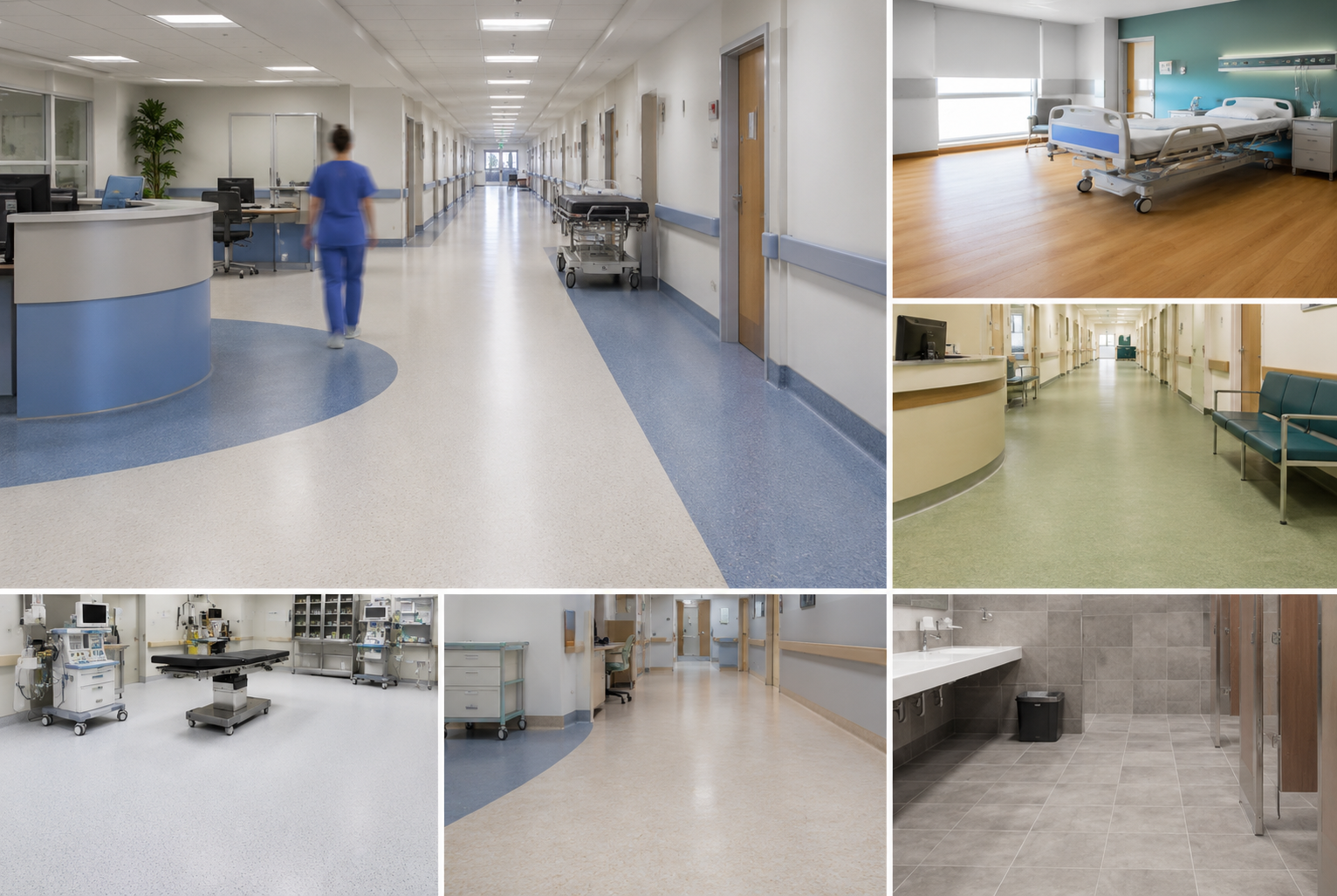
- Healthcare facilities
- Automotive service centers
How Do Resinous Flooring Systems Handle Chemical Exposure?
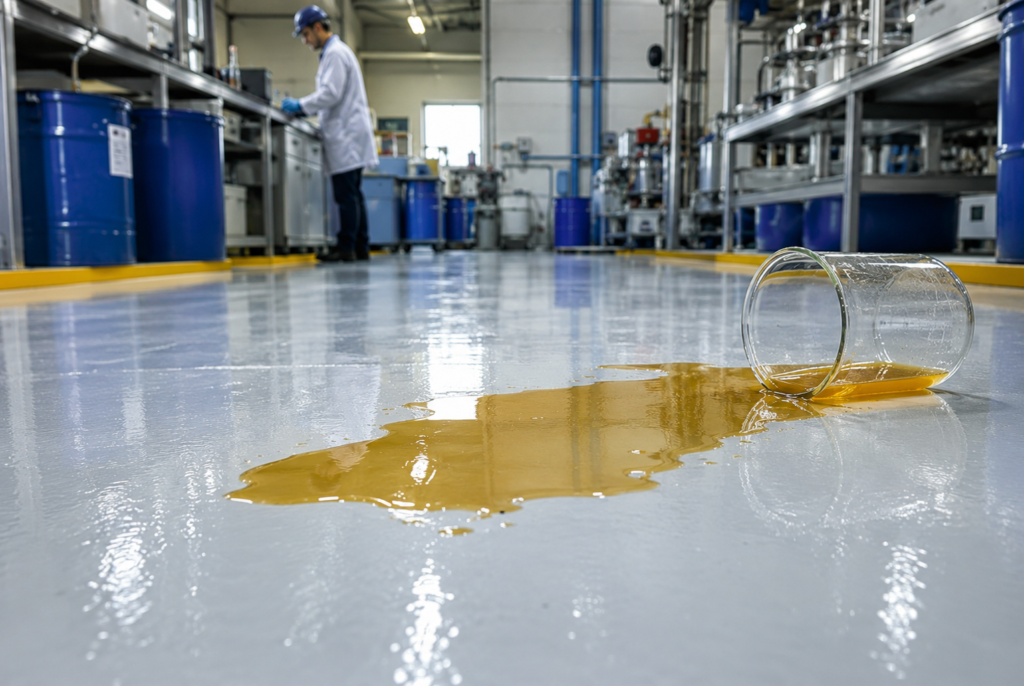
Chemical exposure is one of the biggest reasons flooring systems fail in industrial environments. Spills, cleaning agents, oils, solvents, and industrial chemicals gradually weaken surfaces if the flooring system is not designed to resist them. Once deterioration begins, floors become difficult to maintain and unsafe for operations.
Resinous flooring systems are known for their chemical resistance capabilities. Different resin technologies offer varying levels of protection depending on the environment. Epoxy flooring performs well against many chemicals, but urethane cement and polyurethane systems often provide stronger long-term resistance in facilities exposed to harsh cleaning procedures or aggressive industrial chemicals.
Which Flooring Option Is Better for Moisture-Prone Areas?
Moisture exposure can damage flooring systems over time by weakening adhesion and causing bubbling or peeling. Facilities such as food processing plants, beverage facilities, and commercial kitchens require flooring capable of handling frequent cleaning and wet conditions without surface failure.
Resinous flooring systems designed for moisture resistance often outperform standard epoxy coatings in wet environments. Urethane cement flooring, for example, handles moisture and thermal shock exceptionally well because of its dense and flexible composition. Epoxy flooring may still work effectively in controlled environments where moisture exposure is less aggressive.
Moisture Resistance Benefits of Resinous Flooring
- Reduces water penetration
- Prevents surface delamination
- Maintains strong substrate adhesion
- Supports easier cleaning
- Improves long-term floor durability
How Does Installation Affect Flooring Performance?
Even the best flooring material can fail if installation is not completed correctly. Surface preparation, substrate conditions, and application quality all affect how well the flooring performs over time. Poor installation often leads to bubbling, peeling, and early surface deterioration.
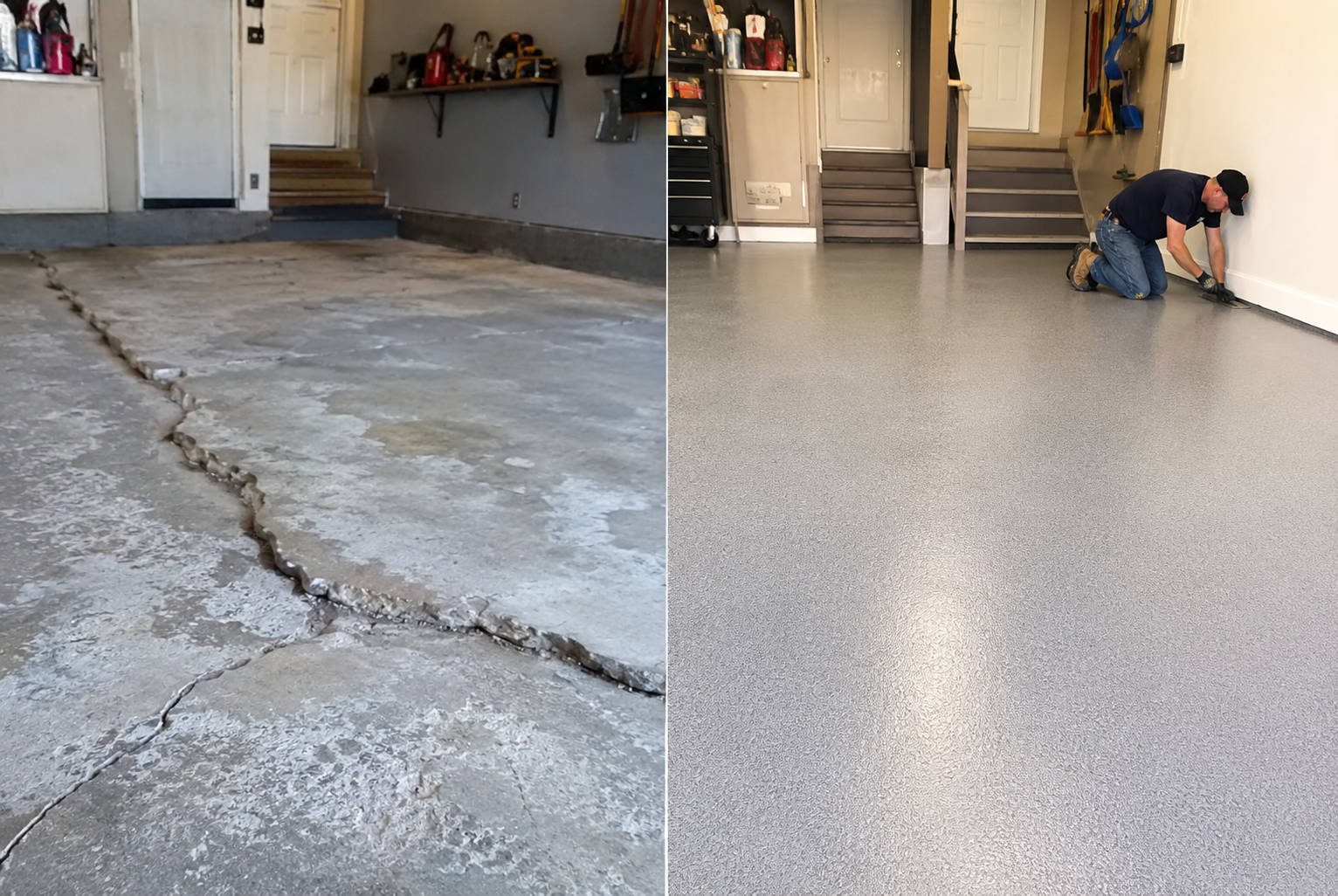
Professional installation begins with evaluating the substrate and preparing the concrete surface using methods such as shot blasting or diamond grinding. Once the floor is properly prepared, the selected resin system is installed carefully to ensure proper bonding and long-term performance. Facilities that contact us for professional flooring installation often experience fewer maintenance problems and better overall durability.
Which Flooring System Is Easier to Maintain?
Maintenance requirements vary depending on the flooring system, environmental conditions, and traffic levels. Facilities operating around the clock need flooring solutions that minimize downtime and reduce long-term upkeep costs.
Epoxy flooring is relatively easy to clean and maintain in commercial spaces with moderate traffic. Resinous flooring systems designed for industrial use often provide even greater durability and lower maintenance in demanding conditions. Seamless surfaces also make cleaning easier because there are fewer joints or weak points where contaminants can collect.
Maintenance Advantages of Resinous Flooring
- Seamless and easy-to-clean surfaces
- Strong resistance to stains and spills
- Reduced repair frequency
- Lower long-term maintenance costs
- Improved surface longevity
Which Flooring System Offers Better Impact Resistance?
Impact resistance is critical in facilities where equipment, tools, and heavy materials regularly contact the floor surface. Cracks and surface damage can quickly develop if the flooring system cannot absorb repeated stress effectively.
Specialized resinous flooring systems typically provide stronger impact resistance than standard epoxy coatings alone. Urethane cement and polyurethane systems offer more flexibility and durability under repeated impact conditions. Facilities exposed to heavy machinery and operational pressure often choose these systems to improve long-term floor performance.
How Do You Choose the Right Flooring System for Your Facility?
Choosing the right flooring system starts with understanding your operational requirements. Factors such as traffic levels, chemical exposure, moisture conditions, thermal shock, maintenance goals, and safety requirements all influence which flooring solution performs best.
Facilities that require general durability and cost-effective protection often benefit from epoxy flooring. Businesses operating in harsh industrial conditions may require advanced resinous systems that provide stronger resistance to impact, moisture, or chemicals. A professional flooring inspection can help identify the most suitable option for long-term operational performance.
Questions to Ask Before Choosing a Flooring System
- Will the floor experience heavy impact?
- Is moisture exposure frequent?
- Are chemicals used regularly in the facility?
- Does the environment experience thermal shock?
- Is slip resistance required for safety?
Why Are More Facilities Choosing Resinous Flooring Systems?
Modern facilities require flooring systems capable of supporting faster operations, stricter safety standards, and more demanding working conditions. Businesses are moving away from traditional surfaces that require frequent repairs and operational downtime.
Resinous flooring systems continue gaining popularity because they offer flexibility, durability, and specialized performance options for different industries. From manufacturing plants and warehouses to healthcare facilities and commercial kitchens, resinous flooring provides long-term protection while supporting safer and more efficient operations.
Conclusion
Choosing between resinous flooring and epoxy flooring depends on how your facility operates and what challenges your flooring system must handle daily. While epoxy flooring remains a dependable solution for many commercial environments, advanced resinous flooring systems provide additional flexibility and resistance for facilities exposed to moisture, impact, thermal shock, and chemical exposure.
Understanding the strengths of each flooring option helps businesses avoid premature flooring failure, costly repairs, and operational disruptions. If you need help selecting the right flooring system for your facility, contact us today to learn how PPI Flooring can help you choose a durable solution designed for long-term performance.
FAQ
Is epoxy flooring the same as resinous flooring?
No. Epoxy flooring is one type of resinous flooring, while resinous flooring includes multiple flooring systems such as polyurethane and urethane cement.
Which flooring system is better for industrial facilities?
Specialized resinous flooring systems often perform better in industrial environments exposed to chemicals, impact, and moisture.
Is resinous flooring good for warehouses?
Yes. Resinous flooring systems provide strong durability and abrasion resistance for warehouses and distribution centers.
Which flooring system handles moisture better?
Urethane cement and other advanced resinous systems generally perform better than standard epoxy flooring in moisture-prone areas.
How long do resinous flooring systems last?
With proper installation and flooring maintenance, resinous flooring systems can provide long-term durability for many years.