
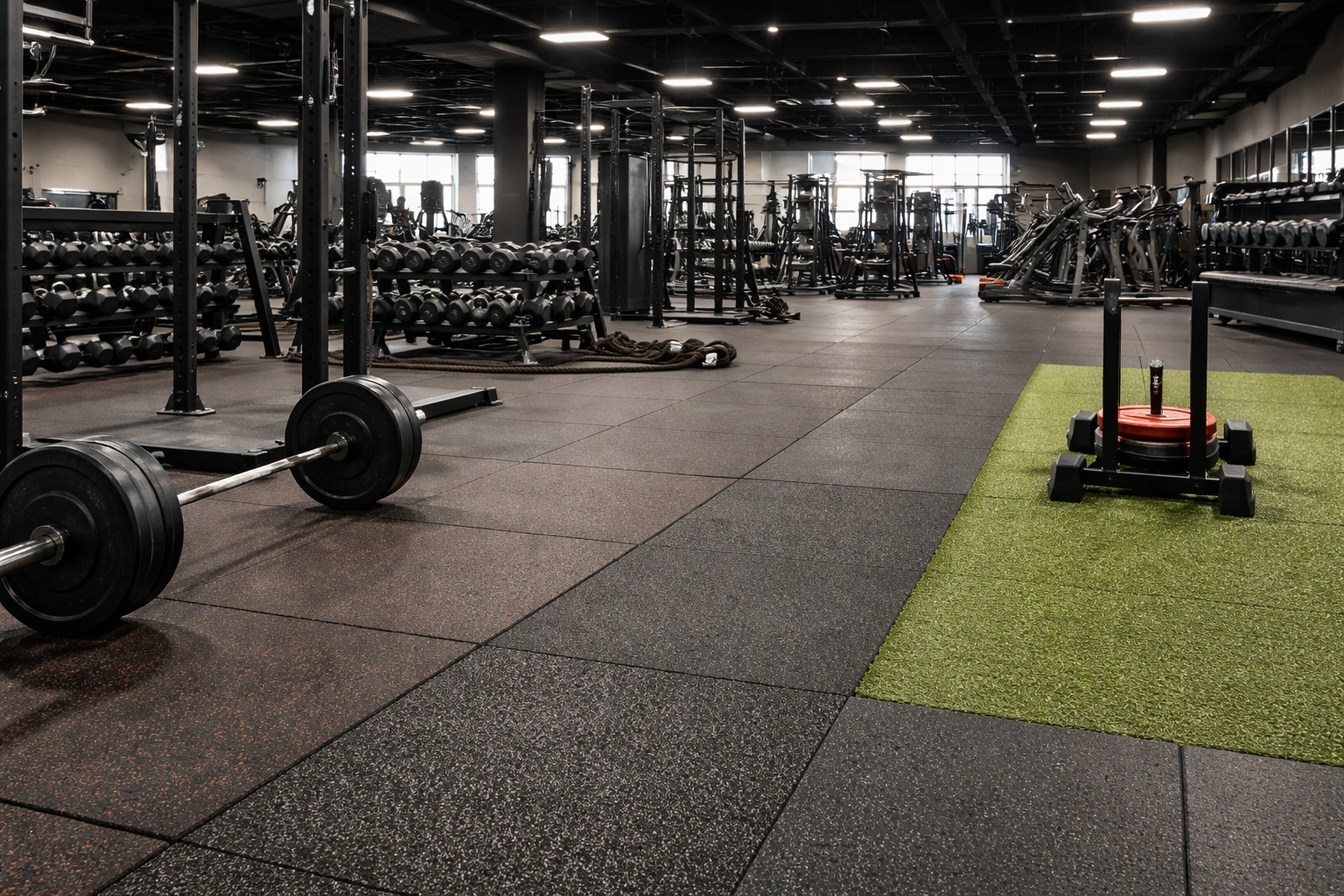
Commercial gym flooring plays a major role in how fitness centers perform every day. Heavy equipment, constant foot traffic, and high-impact workouts put a lot of stress on flooring systems. Many gyms face issues like cracks, noise, and unsafe surfaces that affect both users and operations.
Choosing the right commercial gym flooring helps solve these problems. Whether you are setting up a new facility or upgrading an existing one, selecting durable materials like epoxy flooring ensures long-term performance and safety in demanding environments.
Benefits of Commercial Flooring for Heavy-Duty Gym Use
Gyms require flooring that can handle more than just foot traffic. Equipment weight, repetitive impact, and daily use demand high-performance solutions.
Commercial gym flooring offers:
- Heavy-duty gym flooring designed for continuous use
- Shock-absorbing flooring for fitness centers that reduces impact
- Non-slip flooring for gyms to improve safety
- Noise-reducing commercial flooring for better user experience
These features make commercial-grade gym flooring essential for modern fitness facilities.
Best Flooring for Weight Rooms and High-Traffic Areas
Weight rooms and high-traffic zones experience the most wear. Dropped weights and constant movement can damage standard flooring quickly.
The best gym flooring for commercial use in these areas includes:
- Rubber gym tiles for impact resistance
- High-density flooring for heavy loads
- Interlocking floor tiles for flexibility
- Gym flooring rolls for large spaces
These options provide gym flooring for high-traffic areas that remain durable under pressure.
Top Commercial Gym Flooring Options for Durability
Durability is one of the most important factors when selecting flooring. Weak materials lead to frequent repairs and increased costs.
Top options include:
- Commercial rubber flooring for long-term performance
- Vinyl flooring for gyms in lighter-use areas
- Heavy-duty floor tiles for strength and stability
- Custom gym flooring solutions tailored to facility needs
Each option offers different benefits based on how the gym is used.
Commercial Gym Flooring for High-Impact Activities
High-impact activities such as weightlifting, cross-training, and group classes require flooring that absorbs shock and reduces stress on the body.
Effective solutions include:
- Shock-absorbing gym flooring to reduce impact
- Rubber mats for gyms in high-impact zones
- Athletic flooring designed for performance
- Anti-fatigue flooring for gyms to support users
These systems help protect both equipment and users during intense workouts.
How to Choose the Right Flooring for Your Gym
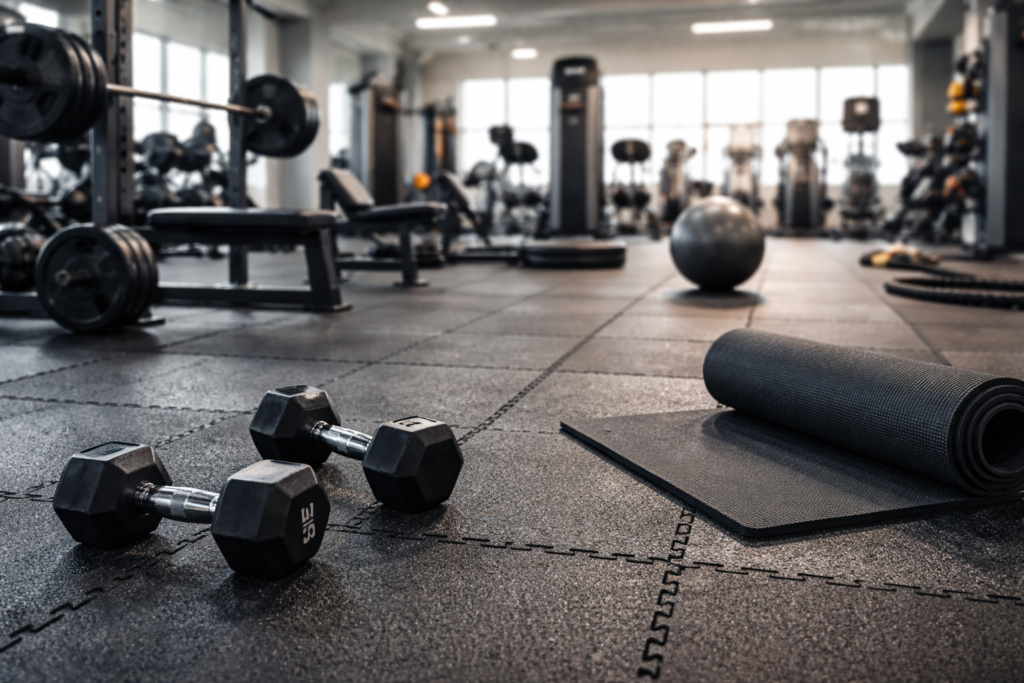
Selecting the right flooring depends on multiple factors. Many gym owners choose based on cost alone, which often leads to long-term issues.
When choosing flooring, consider:
- Type of activities performed in the space
- Level of foot traffic and equipment use
- Maintenance requirements
- Safety needs and slip resistance
Regular flooring inspection helps ensure the flooring continues to meet performance expectations over time.
How Commercial Flooring Enhances Gym Safety
Safety is a key concern in any fitness center. Slippery or unstable surfaces increase the risk of injuries.
Commercial gym flooring improves safety by:
- Providing a non-slip surface for better traction
- Reducing impact on joints and muscles
- Preventing surface damage that creates hazards
- Supporting safe use of equipment
In areas where safety is critical, non-slip flooring helps reduce risks and improve user confidence.
Rubber Flooring vs Vinyl Flooring for Gyms
Rubber and vinyl are two common choices, but they serve different purposes.
Rubber flooring offers:
- Better shock absorption
- Higher durability in heavy-use areas
- Strong resistance to impact
Vinyl flooring provides:
- A smooth surface for lighter activities
- Easier cleaning in low-impact areas
- Cost-effective solutions for certain spaces
Choosing between the two depends on the specific needs of the gym.
Easy Maintenance and Care for Commercial Gym Floors
Maintenance plays a key role in extending the life of gym flooring. Poor maintenance leads to faster wear and reduced performance.
To maintain commercial gym flooring:
- Clean regularly to remove dirt and sweat
- Inspect for signs of damage
- Address minor issues early
- Follow proper flooring maintenance practices
These steps help keep flooring systems in good condition and reduce long-term costs.
Conclusion
Commercial gym flooring is a critical part of any fitness center. Poor flooring leads to safety risks, maintenance issues, and higher costs over time.
By choosing the right commercial gym flooring solutions, facilities can improve performance, safety, and durability. From rubber flooring to high-density systems, the right choice supports daily operations and long-term success. Investing in quality flooring ensures your gym remains efficient, safe, and ready for heavy-duty use.
FAQ
1. What are the best flooring options for commercial gyms?
Rubber flooring, vinyl flooring, and heavy-duty tiles are commonly used for durability and performance.
2. How do I choose the right commercial gym flooring for heavy-duty use?
Consider traffic levels, equipment use, safety needs, and maintenance requirements.
3. What flooring is best for high-traffic gym areas?
Rubber flooring and high-density tiles are ideal for handling constant use.
4. How do commercial gym floors withstand heavy equipment?
They are designed with impact-resistant materials that absorb shock and prevent damage.
5. Can commercial gym flooring reduce noise levels?
Yes, rubber flooring helps reduce noise and vibration from equipment.
6. What are the benefits of using rubber flooring in commercial gyms?
It provides durability, shock absorption, and improved safety.
7. How does vinyl flooring compare to rubber for gyms?
Vinyl is suitable for lighter use, while rubber offers better durability for heavy-duty areas.
8. How long does commercial gym flooring typically last?
With proper maintenance, it can last for many years in commercial environments.
9. Is commercial gym flooring easy to maintain?
Yes, regular cleaning and inspections help maintain performance.
10. What flooring is best for weight rooms and areas with heavy equipment?
Rubber flooring and high-density tiles are the best options for these areas.